
Hydroponic Kit Market Size & Growth Trends (2026 Update)

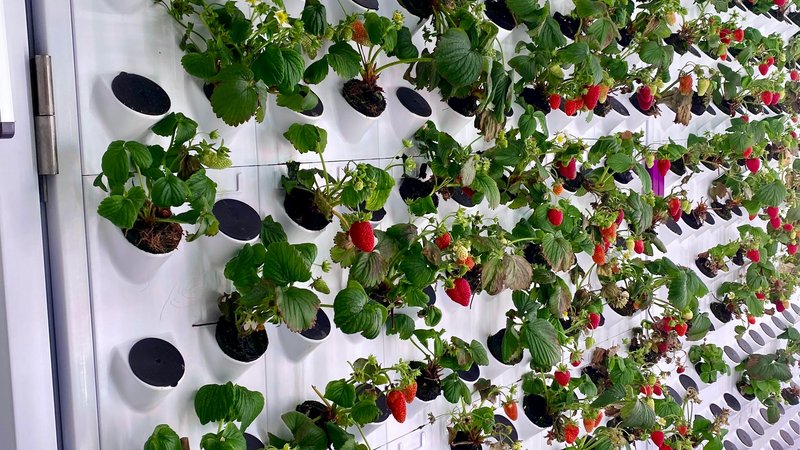
The hydroponic kit market size has been expanding at a remarkable pace, driven by growing food security concerns, urbanization, and a global shift toward sustainable agriculture. As traditional farming faces mounting pressure from climate volatility and shrinking arable land, soil-free cultivation systems are emerging as a reliable, scalable alternative for both commercial producers and home growers alike.
From compact countertop units designed for apartment dwellers to large-scale commercial installations feeding entire cities, the diversity of hydroponic systems reflects a market that is maturing rapidly. Growing indoors has never been more accessible, and that accessibility is one of the core engines powering this industry’s global momentum.
Global Market Valuation and Growth Projections
The global hydroponics market has attracted significant investment interest as analysts project sustained double-digit growth over the coming decade. This trajectory is underpinned by rising demand for pesticide-free produce and the increasing viability of controlled environment agriculture.
Vertical farming research consistently highlights how integrated hydroponic systems are commanding a larger share of the broader controlled environment agriculture sector. Projections indicate that the market will continue to outpace many conventional agricultural segments in terms of compound annual growth rate.
Consumer appetite for locally grown, year-round produce is a structural demand driver that analysts expect to remain intact regardless of short-term economic fluctuations. This makes the hydroponic kit segment one of the more resilient niches within the wider agri-food technology space.
Regional Market Leadership and Expansion
North America currently leads global hydroponic kit adoption, with the United States serving as the epicenter of commercial innovation and venture capital inflow. Strong retail infrastructure and a health-conscious consumer base have created fertile ground for market expansion.
Europe follows closely, with countries like the Netherlands, Germany, and the United Kingdom investing heavily in greenhouse hydroponic technology. Regulatory support for sustainable food production has accelerated adoption across the continent.
The Asia-Pacific region is emerging as the fastest-growing market, propelled by population density, food import dependency, and government-backed urban farming initiatives in countries like Japan, Singapore, and China. Food security data from international bodies reinforces why these nations are prioritizing domestic, soil-free food production.
Technological Innovations Driving Market Evolution
Automation, sensor technology, and artificial intelligence are fundamentally transforming how hydroponic systems operate at every scale. These innovations are reducing the labor intensity of hydroponic farming while simultaneously improving yield consistency and resource efficiency.
Smart nutrient dosing systems, LED grow light optimization, and IoT-enabled monitoring platforms are now standard features in premium kit offerings. The integration of AI in agriculture is enabling growers to make data-driven decisions that were previously only accessible to large commercial operations.
Mobile application connectivity is another key differentiator in the modern hydroponic kit market. Mobile app growth has directly enabled consumer-facing hydroponic brands to offer remote monitoring and automated alerts, dramatically lowering the barrier to entry for first-time growers.
Key Drivers of Market Expansion
Urban population growth is one of the most powerful structural forces behind hydroponic kit demand. UN population projections estimate that the majority of the global population will reside in urban areas within the coming decades, creating an urgent need for localized food production solutions.
Water scarcity is another critical driver. Hydroponic systems use up to 90% less water than conventional soil-based farming, making them particularly attractive in drought-prone regions and areas facing tightening water regulations.
Health and wellness trends are also fueling consumer demand for fresh, traceable produce. WHO dietary guidelines emphasizing increased vegetable consumption align directly with what hydroponic home kits make possible for everyday households.
Barriers to Market Adoption and Growth
Despite strong growth fundamentals, the hydroponic kit market faces meaningful barriers to broader adoption. High upfront costs remain the most cited obstacle, particularly for small-scale commercial operators and low-income households.
Technical knowledge requirements can also deter new entrants. While consumer kits have become more user-friendly, managing nutrient solutions, pH levels, and lighting schedules still demands a learning curve that some potential customers find discouraging.
Energy dependency is a structural vulnerability that affects the economics of indoor hydroponic farming at scale. Without access to renewable energy sources, operating costs can erode profit margins significantly, particularly in regions with high electricity prices.
Competitive Landscape and Major Industry Players
The competitive landscape of the hydroponic and vertical farming industry is increasingly concentrated among a handful of well-capitalized players. According to industry analysis, the five largest players — AeroFarms, Inc., Infarm – Indoor Urban Farming GmbH, Gotham Greens Holdings, LLC, Plenty Unlimited Inc., and 80 Acres Farms, Inc. — accounted for a significant market share in recent years, making the United States vertical farming sector one of the most competitive in the world.
Beyond these headline names, a vibrant ecosystem of startups and mid-sized companies is competing on product design, price point, and software integration. This competition is ultimately benefiting consumers through lower prices and more sophisticated kit offerings.
Consolidation through mergers and acquisitions is expected to reshape the competitive landscape over the next several years. Larger agricultural conglomerates are increasingly viewing hydroponic kit companies as strategic acquisition targets to diversify their product portfolios.
Crop Varieties and System Types in Commercial Use
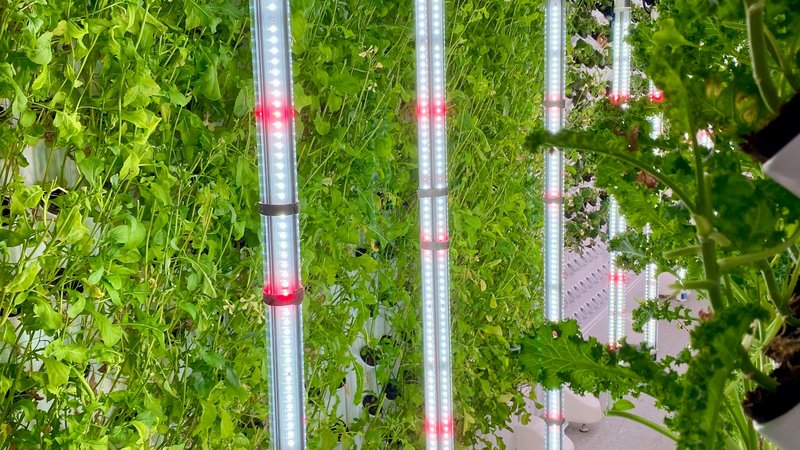
Leafy greens — including lettuce, spinach, and kale — dominate commercial hydroponic production due to their fast growth cycles and high market value relative to input costs. These crops are ideally suited to nutrient film technique and deep water culture systems.
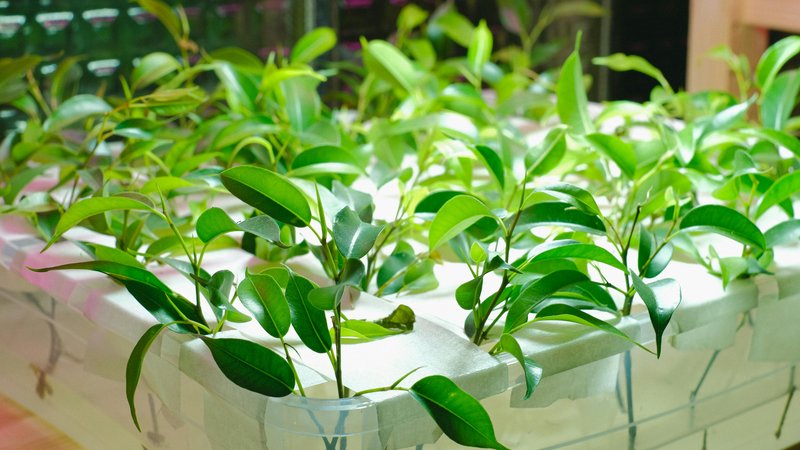
Herbs represent another high-value segment, with basil, cilantro, and mint commanding premium retail prices that make small-scale hydroponic production economically viable. Herbs grown in water year-round are among the most accessible entry points for new hydroponic growers.
Tomatoes, peppers, and cucumbers are increasingly grown in large-scale hydroponic greenhouses, particularly in Europe and North America. These fruiting crops require more complex system management but deliver substantially higher revenue per square foot.
Urban and Vertical Farming Integration
Hydroponic kits are the foundational technology underpinning the broader urban and vertical farming movement. As cities look to reduce food miles and improve supply chain resilience, vertical farms built on hydroponic principles are being integrated into warehouses, shipping containers, and repurposed commercial buildings.
The convergence of hydroponics with vertical stacking technology has dramatically increased the productive output per square meter of urban real estate. This spatial efficiency is a primary reason why real estate developers and city planners are beginning to incorporate farming infrastructure into mixed-use building designs.
Vertical farming projections suggest that the sector will continue to scale aggressively as the economics of LED lighting and automation improve. Hydroponic kit manufacturers are well-positioned to supply both the consumer and commercial segments of this expanding ecosystem.
Government Support and Regulatory Frameworks
Government policy is playing an increasingly important role in shaping the hydroponic kit market’s growth trajectory. Subsidies, grants, and tax incentives targeted at sustainable agriculture are reducing the financial risk for commercial hydroponic operators in several key markets.
In the European Union, the Farm to Fork Strategy has explicitly identified controlled environment agriculture as a priority area for investment and regulatory support. This policy alignment is expected to accelerate commercial hydroponic adoption across member states.
Regulatory clarity around food safety standards for hydroponically grown produce has also improved in recent years. Clearer certification pathways are making it easier for hydroponic producers to access premium retail and foodservice channels.
Cost-Benefit Analysis for Different Farm Scales
Evaluating the financial viability of a hydroponic investment requires a rigorous approach that accounts for both capital expenditure and ongoing operational costs. The methodology used to assess these investments can significantly influence decision-making outcomes.
Benefit-cost ratio analysis is particularly valuable when comparing projects of different sizes or when working within budget constraints. The most successful farmers often use both quantitative and qualitative methods together, incorporating factors like risk tolerance, long-term strategic alignment, and operational impact alongside the raw financial numbers.
For home growers, the cost-benefit calculation is often more about lifestyle value and food quality than strict financial return. For commercial operators, however, rigorous financial modeling is essential before committing to significant infrastructure investment.
Energy Consumption and Environmental Impact
Energy consumption is the most significant environmental trade-off associated with indoor hydroponic farming. Artificial lighting and climate control systems can generate a substantial carbon footprint if powered by fossil fuel-based electricity grids.
However, the environmental calculus shifts considerably when hydroponic operations are powered by renewable energy. Solar-integrated greenhouse systems and wind-powered vertical farms are increasingly demonstrating that soil-free agriculture can be genuinely low-carbon.
Water recycling efficiency remains one of hydroponics’ strongest environmental credentials. The dramatic reduction in water use compared to field agriculture is particularly significant in the context of global water stress, a challenge that FAO agricultural data consistently identifies as one of the defining threats to future food production.
Consumer Perception and Market Demand
Consumer perception of hydroponically grown produce has shifted markedly in recent years, moving from skepticism toward enthusiastic acceptance in many key demographics. Younger, urban consumers in particular associate hydroponic produce with freshness, sustainability, and transparency.
Retail labeling that highlights “locally grown” or “pesticide-free” attributes commands measurable price premiums in grocery and specialty food channels. This willingness to pay more for hydroponically grown produce directly improves the revenue model for kit-based commercial producers.
Social media has played an underappreciated role in normalizing home hydroponics as a lifestyle choice. Platforms showcasing aesthetically pleasing indoor growing setups have introduced millions of potential customers to the category who would not have encountered it through traditional retail channels.
Return on Investment Timelines
Return on investment timelines for hydroponic kits vary enormously depending on scale, crop selection, and market access. Small home systems may never generate a financial return but deliver significant value through reduced grocery spending and improved food quality.
Commercial hydroponic operations typically target a payback period of three to seven years, depending on capital intensity and local market conditions. High-value crops like microgreens, specialty herbs, and premium lettuce varieties can compress this timeline significantly.
The integration of AI-driven optimization into growing operations is increasingly being cited as a lever for improving financial returns. Predictive analytics that optimize nutrient delivery, lighting schedules, and harvest timing can meaningfully improve yield per dollar of input cost.
Supply Chain and Distribution Challenges
The hydroponic kit market’s supply chain is more complex than it might appear, involving specialized components sourced from multiple international suppliers. Disruptions to the supply of grow lights, nutrient solutions, and growing media can create meaningful production delays for kit manufacturers.
Distribution logistics for commercial hydroponic produce present a different set of challenges. The short shelf life of freshly harvested leafy greens demands highly efficient cold chain logistics, which can add cost and complexity to the distribution model.
Data analytics adoption in supply chain management is helping hydroponic operators anticipate demand fluctuations and optimize inventory levels. This capability is becoming a meaningful competitive differentiator for larger commercial players.
Labor Market Implications and Job Creation
The growth of the hydroponic kit market is creating a distinct category of agricultural employment that blends traditional horticultural skills with technology proficiency. Demand for workers who can manage automated growing systems, interpret sensor data, and troubleshoot nutrient management issues is rising steadily.
This skills evolution has implications for agricultural education and vocational training programs. Institutions that integrate hydroponic and controlled environment agriculture curricula are better positioning graduates for employment in one of farming’s fastest-growing segments.
The democratization of food production through affordable home hydroponic kits also carries a broader social dimension. By enabling urban households to grow a meaningful portion of their own produce, these systems contribute to food sovereignty and nutritional resilience at the community level — a goal that aligns closely with the principles of climate-resilient agriculture that researchers and policymakers increasingly champion as essential for long-term food system stability.


