Climate Change & Agriculture: Adaptation Strategies

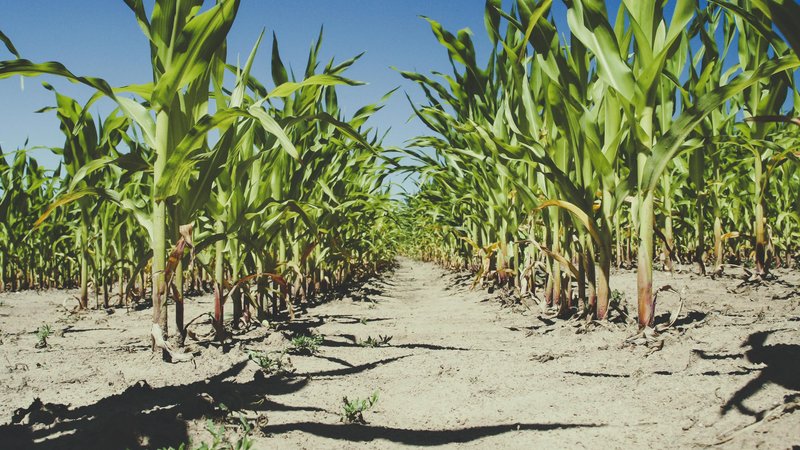
The climate change impact on agriculture is one of the most pressing challenges facing global food systems today. Rising temperatures, shifting rainfall patterns, and increasingly severe weather events are reshaping how and where food is grown, threatening the livelihoods of hundreds of millions of farmers worldwide. Understanding the full scope of these changes is no longer optional — it is an urgent prerequisite for protecting both food security and rural economies.
Farmers across every continent are already experiencing disruptions that were once considered distant projections. From prolonged droughts in sub-Saharan Africa to unexpected frost events in temperate zones, the variability itself has become a defining challenge. Climate science confirms that these trends will intensify without decisive action, making adaptation strategies not just beneficial but essential for agricultural survival.
Understanding Climate Change Impacts on Agricultural Systems
Agricultural systems are deeply sensitive to climatic variables, including temperature, precipitation, humidity, and seasonal timing. Even modest shifts in these variables can trigger cascading effects across entire farming ecosystems.
Soil health, pest pressure, pollinator activity, and water availability are all interconnected. When one element is disrupted, the ripple effects can compromise entire growing seasons and regional food supplies.
Temperature and Precipitation Shifts Affecting Crop Production
Higher average temperatures are accelerating crop maturation cycles, often reducing the time plants have to accumulate yield. This is particularly damaging for staple grains like wheat, rice, and maize, which are highly sensitive to heat stress during flowering.
Precipitation patterns are becoming less predictable, with some regions experiencing more intense rainfall events followed by longer dry spells. Land use changes compound these effects, reducing the landscape’s natural capacity to buffer against water extremes.
Coastal and low-lying agricultural areas also face saltwater intrusion as sea levels rise. This renders previously productive farmland increasingly unsuitable for conventional crop production.
Crop Vulnerability and Yield Disruption Patterns
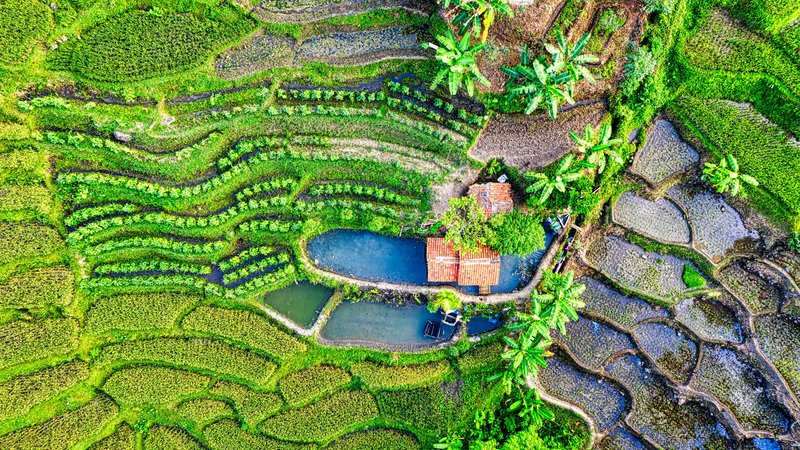
Not all crops are equally vulnerable. Tropical staples tend to be more exposed to heat and drought stress, while some cold-climate crops may temporarily benefit from warming before longer-term instability sets in.
Recent research highlights that yield disruption is rarely uniform — regional geography, soil type, and existing farming practices all mediate how severely a given crop system is affected. Smallholder farmers in tropical regions face disproportionately high yield losses compared to large-scale operations in temperate zones.
Farmer Adaptation Strategies and Implementation Approaches
Farmers are not passive victims of climate change — many are actively developing and deploying adaptation strategies. These range from adjusting planting calendars and diversifying crops to investing in irrigation infrastructure and soil conservation practices.
Cover cropping, agroforestry, and conservation tillage are among the most widely adopted techniques. Sustainable agriculture networks have played a critical role in disseminating these practices to farming communities globally.
Technology is also reshaping adaptation. Tools like AI in agriculture are helping farmers make more precise decisions about planting, irrigation, and pest management in the face of increasing climate unpredictability.
Economic Cost-Benefit Analysis of Adaptation by Region
Evaluating whether to invest in adaptation requires comparing the costs of action against the costs of inaction. Adaptation cost assessments show that both adaptation and mitigation actions are urgently needed to reduce the long-term economic impact of climate change, and that delaying action consistently increases overall costs.
Regional differences in economic exposure are significant. Developing nations with heavy agricultural dependence face far greater proportional losses than wealthier economies with diversified sectors and greater access to financial safety nets.
Investment in early adaptation measures consistently delivers positive returns. Infrastructure improvements, drought-resistant seed programs, and farmer training initiatives all generate measurable economic benefits over time.
Socioeconomic Barriers to Effective Farmer Adaptation
Access to adaptation tools is deeply unequal. Smallholder farmers — who produce a substantial portion of the world’s food — often lack the capital, land security, and technical knowledge needed to implement effective strategies.
Research published in peer-reviewed literature confirms that varying adaptation strategies have different implications for poverty, food security, and the environment, but many current approaches do very little to reduce overall vulnerability among the most exposed farming populations.
Gender, land tenure, and access to credit are among the most significant structural barriers. Policies that ignore these dimensions tend to deliver adaptation benefits only to those already in a stronger position.
Adaptation Effectiveness Across Farm Sizes and Income Levels
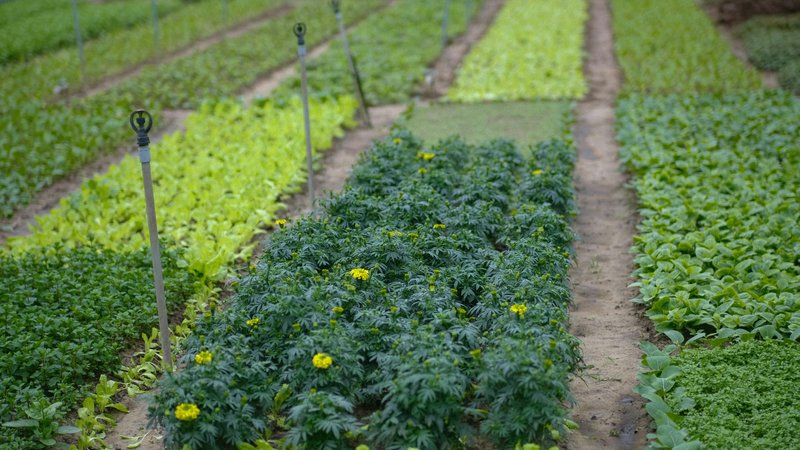
Large commercial farms typically have greater capacity to absorb climate shocks due to economies of scale, diversified income streams, and access to insurance markets. Smaller operations are far more exposed to a single bad season.
Targeted policy support is essential to bridge the adaptation gap between large and small farms. Without deliberate intervention, climate change is likely to accelerate the consolidation of agricultural land into fewer, larger hands.
Climate Resilience Through Emerging Crop Varieties and Breeding
Plant breeders and agricultural scientists are developing new crop varieties specifically designed to withstand heat, drought, flooding, and salinity. These innovations represent one of the most scalable pathways to building long-term agricultural resilience.
Leading research institutions are combining traditional breeding techniques with genomic tools to accelerate the development of stress-tolerant varieties. The goal is to deliver improved seeds to farmers faster than climate conditions deteriorate.
Seed bank preservation is equally important. Maintaining genetic diversity in crop species provides the raw material needed for future breeding programs to respond to conditions that do not yet exist.
Supply Chain and Food Distribution Challenges
Climate disruptions do not stop at the farm gate. Extreme weather events damage transportation infrastructure, disrupt storage facilities, and increase post-harvest losses, all of which amplify the food security impact of production shortfalls.
Global supply chains that depend on just-in-time delivery are particularly fragile. Diversifying sourcing regions and investing in local food storage capacity are critical buffers against climate-driven supply shocks.
Nutritional Security Beyond Calorie Production
Food security is not only about producing enough calories. Climate change is also affecting the nutritional quality of crops, with elevated CO₂ levels shown to reduce protein and micronutrient concentrations in staple grains and legumes.
This “hidden hunger” dimension of climate change is often overlooked in policy discussions. Addressing it requires a shift from yield-only metrics toward nutritional outcome indicators in agricultural planning and investment.
Diversifying diets and supporting the cultivation of nutrient-dense crops — including many traditional varieties — is one practical response. Sustainable agriculture practices often naturally support this kind of dietary diversity at the local level.
Policy Frameworks Supporting Agricultural Adaptation
Effective adaptation requires coherent policy support at local, national, and international levels. Fragmented or inconsistent policy environments leave farmers without the stable signals they need to make long-term investment decisions.
The USDA climate priorities framework represents one national-level effort to align agricultural support programs with climate resilience goals. Similar frameworks are emerging across the EU and in several major food-producing nations.
Climate-smart agriculture guidelines are increasingly being integrated into commodity programs, biofuel standards, and conservation incentive schemes. These policy tools create financial pathways for farmers to adopt more resilient practices.
Global Food Security Threats and Regional Disparities
The regions most threatened by climate-driven food insecurity are often those that have contributed least to global greenhouse gas emissions. Sub-Saharan Africa, South Asia, and parts of Central America face the sharpest convergence of climate risk and food system fragility.
Climate research consistently projects that without major adaptation investment, yield losses in these regions could undermine decades of progress in reducing hunger and poverty. The equity dimension of this crisis demands international attention and financial commitment.
Long-Term Sustainability of Adaptation Techniques
Not all adaptation strategies are equally sustainable over the long term. Some short-term fixes — such as expanding groundwater irrigation in water-stressed regions — can accelerate resource depletion and increase future vulnerability.
Truly resilient adaptation must avoid trading short-term stability for long-term ecological damage. Practices that restore soil health, protect biodiversity, and conserve water resources tend to deliver more durable outcomes across changing climate conditions.
Integrating renewable energy into farm operations is one example of an adaptation co-benefit. Farms that reduce their dependence on fossil fuel-powered inputs also reduce their exposure to energy price volatility while lowering their emissions footprint. Exploring renewable energy on farms offers practical pathways to achieve both goals simultaneously.
Agriculture’s Role in Greenhouse Gas Emissions and Mitigation
Agriculture is both a victim and a contributor to climate change. The sector accounts for a significant share of global greenhouse gas emissions through livestock methane, synthetic fertilizer use, land clearing, and rice paddy cultivation.
Mitigation and adaptation are not competing priorities — they are complementary. Practices that sequester carbon in soils, reduce fertilizer runoff, and improve livestock efficiency simultaneously reduce emissions and strengthen farm resilience.
The path forward requires holding both goals in parallel. Building a food system capable of feeding a growing global population under worsening climate conditions demands that farmers, researchers, and policymakers work together with a shared sense of urgency and a long-term vision for what truly sustainable agriculture must look like.