How to Repair a Soaker Hose: Step-by-Step Guide

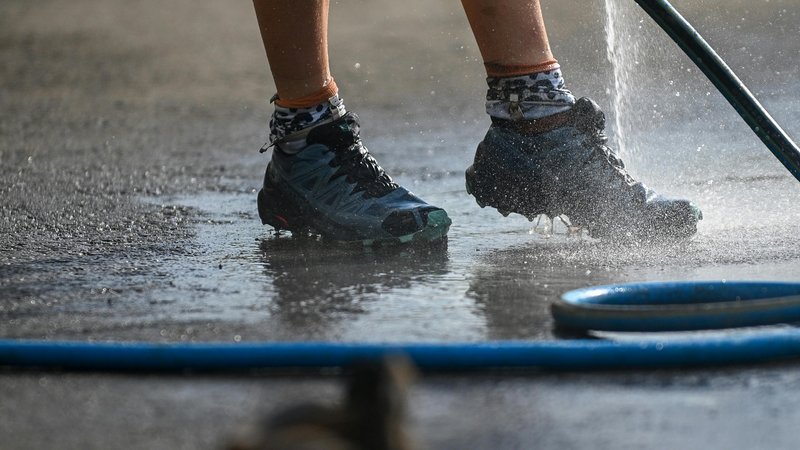
Knowing how to repair a soaker hose can save you money, reduce water waste, and keep your garden thriving without the hassle of a full replacement. Soaker hoses are one of the most efficient irrigation tools available, delivering water slowly and directly to plant roots — but they are also prone to cracks, punctures, and worn fittings over time. A little hands-on attention can restore them to full working condition in under an hour.
Whether your hose has a single leak or multiple damaged sections, the repair process is straightforward with the right materials and approach. This guide walks you through every stage — from diagnosing the problem to testing your fix — so you can make a confident, informed decision about your irrigation setup. If you are also planning a more efficient garden layout, exploring ideas for small vegetable gardens can help you maximize every drop of water you save.
Understanding Common Causes of Soaker Hose Failure
Soaker hoses fail for a surprisingly small number of reasons, and most are entirely preventable. Understanding the root cause helps you choose the right repair method and avoid repeating the same damage.
UV exposure is the leading cause of hose degradation, causing the rubber or vinyl material to become brittle and crack over time. Hoses left in direct sunlight year-round deteriorate far faster than those stored properly in the off-season.
Physical damage from garden tools, lawn mowers, or foot traffic is another common culprit. Even a single accidental puncture can create a high-pressure spray that defeats the purpose of slow, even watering.
Mineral buildup from hard water can also clog the porous walls of a soaker hose, reducing flow and creating uneven pressure that stresses the material. Freezing temperatures cause water trapped inside the hose to expand, splitting the walls from the inside out.
Tools and Materials Needed for Effective Repairs
Having the right supplies on hand before you start makes the entire repair process faster and more reliable. Most of these items are inexpensive and widely available at hardware or garden stores.
- Hose repair coupling: A barbed or compression-style connector used to bridge a cut section of hose.
- Hose clamps or crimp rings: Used to secure couplings tightly and prevent leaks at the joint.
- Sharp utility knife or hose cutter: Ensures a clean, straight cut for a tight coupling fit.
- Rubber patch tape or self-fusing silicone tape: Ideal for sealing small punctures without cutting the hose.
- Hose end repair kit: Replaces damaged fittings at either end of the hose.
- Bucket of water: Used to pressurize and test the hose after repairs are complete.
- Marker or tape: Helps you flag leak locations before beginning work.
Locating and Identifying Leaks in Your Soaker Hose
Finding every leak before you begin repairs prevents you from missing a problem spot and having to repeat the process. A thorough inspection saves significant time and frustration.
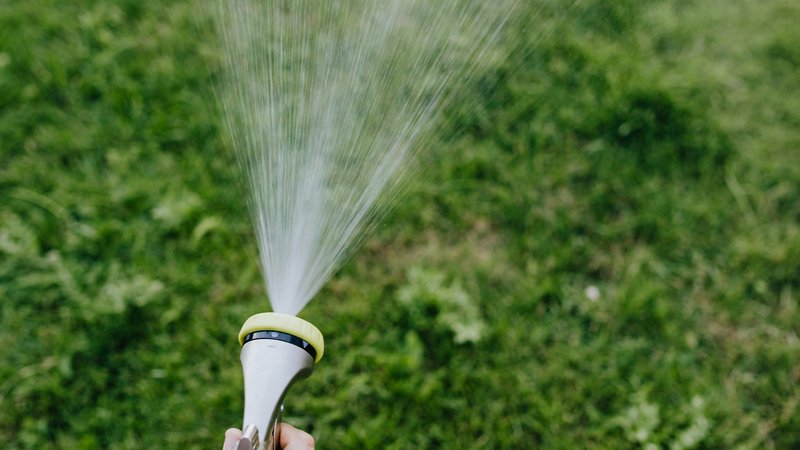
Connect the hose to your water source and turn on the pressure at a low to medium setting. Walk the entire length of the hose slowly, watching for spurting or spraying water rather than the gentle weeping that is normal for soaker hose design.
Mark each leak point immediately with a piece of tape or a marker before turning off the water. It is easy to forget exact locations once the hose is dry and laid flat on the ground.
Pay close attention to the fittings at both ends, as these are high-stress connection points that fail frequently. A fitting leak often looks like a steady drip or mist rather than a visible crack in the hose body itself.
Step-by-Step Repair Instructions for Maximum Durability
Following a consistent process ensures your repair holds up through multiple watering seasons. Rushing any step — especially the cutting and sealing stages — leads to premature failure.
Step 1: Turn off the water supply completely and allow the hose to drain and dry for several minutes before handling.
Step 2: For a puncture or small crack, wrap the damaged area tightly with self-fusing silicone tape, overlapping each layer by at least half. Apply a minimum of three to four layers for a watertight seal.
Step 3: For a larger split or severely damaged section, use your hose cutter to make two clean cuts on either side of the damage, removing the compromised portion entirely.
Step 4: Insert a barbed repair coupling into each cut end, pushing it firmly until the barbs are fully seated inside the hose. Secure each side with a hose clamp tightened snugly with a screwdriver.
Step 5: For a damaged end fitting, unscrew or cut off the old fitting, then attach a replacement end repair kit following the manufacturer’s instructions for your specific hose diameter.
Temporary Fixes vs Permanent Solutions
Not every repair needs to be a permanent one, especially if you are mid-season and need a quick fix to get through the next few weeks. Understanding the difference helps you plan your approach correctly.
Duct tape and standard electrical tape are true temporary fixes only — they will hold for a day or two at best under water pressure. Self-fusing silicone tape is a semi-permanent solution that can last an entire growing season if applied correctly.
Coupling-based repairs using barbed connectors and clamps are the most permanent DIY option available. When done properly, a coupling repair can outlast the remaining lifespan of the hose itself.
Material Comparison: Rubber and Vinyl Soaker Hoses
The material your soaker hose is made from directly affects how you repair it and how long that repair will last. Rubber and vinyl behave very differently under stress and temperature changes.
Rubber hoses are more durable and flexible, making them easier to work with during repairs. They hold coupling fittings more securely and are less likely to crack in cold temperatures.
Vinyl hoses are lighter and less expensive but become brittle faster, especially in UV-heavy environments. Repairs on vinyl hoses require extra care during cutting, as the material can split further if handled roughly.
Recycled rubber hoses, often made from reclaimed tire material, are the most environmentally responsible choice and tend to accept repair couplings most reliably due to their consistent wall thickness.
Lifespan of Different Repair Methods
How long your repair lasts depends heavily on both the method used and the material being repaired. Setting realistic expectations helps you plan maintenance schedules more effectively.
Silicone tape repairs typically hold for one full growing season under normal use. They are best treated as a bridge solution while you gather materials for a more permanent fix.
Coupling repairs on rubber hoses can last three to five years when installed correctly with proper clamps. Vinyl hose coupling repairs tend to have a shorter effective life due to the material’s tendency to harden around the barbs over time.
End fitting replacements generally last as long as the hose itself, since the fitting is the component most exposed to mechanical stress at the connection point.
Cost Comparison: Repair Versus Replacement
Before committing to a repair, it is worth doing a quick cost comparison to make sure the effort and expense are justified. A practical framework exists for exactly this decision.
The maintenance industry commonly applies the “50 percent rule” — if a repair exceeds 50 percent of the total cost of replacing the item, then go with the replacement. For soaker hoses, this is a quick and useful calculation.
A basic soaker hose repair kit costs between five and fifteen dollars. A new quality soaker hose typically runs between twenty and fifty dollars depending on length and material.
If your hose requires multiple coupling repairs, a new end fitting, and a patch kit, the combined cost can approach replacement territory quickly. Run the numbers before you start purchasing materials.
Testing Your Repair for Effectiveness
Testing is a non-negotiable final step — skipping it means you may not discover a failed repair until your plants are already underwatered. A proper test takes less than ten minutes.
Reconnect the hose to your water source and turn the pressure on slowly, starting at the lowest setting. Watch each repair point closely for the first two to three minutes before increasing to your normal operating pressure.
Any weeping or dripping at a coupling joint indicates the clamp needs to be tightened further, or the barbed fitting was not fully seated. Address these issues immediately rather than hoping the leak will self-seal.
Run the hose at full pressure for at least fifteen minutes and walk the entire length one final time. Only once you have confirmed zero unintended leaks should you consider the repair complete.
Prevention Strategies to Avoid Future Damage
The best repair is the one you never have to make. A few simple habits dramatically extend the working life of your soaker hose.
Always lay your hose along the soil surface rather than burying it under mulch or soil that can trap moisture and accelerate material breakdown. Keeping the hose visible also makes it easier to spot early-stage damage before it becomes a full leak.
Never exceed the manufacturer’s recommended water pressure, which for most soaker hoses is between 8 and 12 PSI. Running a standard garden hose pressure of 40 to 60 PSI through a soaker hose without a pressure regulator is one of the most common causes of blowouts.
Use a dedicated pressure regulator at the spigot connection to maintain consistent, safe pressure throughout every watering session. This single addition can double the effective lifespan of your hose.
Seasonal Maintenance to Extend Hose Life
Treating your soaker hose as seasonal equipment — rather than a permanent installation — is one of the most effective ways to extend its life. A consistent end-of-season routine makes a measurable difference.
Before the first frost, disconnect the hose from the water source and drain it completely by holding one end up and walking the length to force all water out. Even a small amount of trapped water can freeze and split the hose walls overnight.
Store the hose coiled loosely in a cool, dark location such as a shed or garage during the off-season. Tight coiling creates stress points that crack over time, especially in vinyl hoses.
At the start of each new growing season, inspect the full length of the hose before connecting it to water. Catching a small crack before pressurizing the hose prevents a minor issue from becoming a major split.
When Replacement Makes More Sense Than Repair
There are situations where repair is simply not the right call, and recognizing them saves you time, money, and frustration. Knowing when to let go of a damaged hose is just as important as knowing how to fix one.
If your hose has more than three or four separate leak points along its length, the material has likely reached the end of its useful life. Repairing each individual spot is a temporary measure at best when the overall structure is compromised.
Hoses that have become stiff, chalky, or visibly cracked along their entire surface have experienced deep UV degradation. No repair method addresses material-wide brittleness — only full replacement does.
Applying the 50 percent rule here is especially useful: if the combined cost of all needed repairs approaches half the price of a new hose, replacement is the smarter financial decision.
Professional Repair Services and DIY Approaches
Soaker hose repair is almost always a practical DIY task — the tools are simple and the techniques require no specialized training. However, understanding when professional help adds value is worth considering.
For a basic home garden setup, a DIY repair using a five-dollar coupling kit is entirely sufficient and takes less than thirty minutes. There is no meaningful advantage to hiring a professional for a single hose repair in a residential setting.
In larger agricultural or commercial irrigation systems, a professional irrigation technician can assess the entire system for pressure issues, mineral buildup, and installation problems that a homeowner might miss. Commercial-scale soaker systems often involve dozens of connected hose runs where a single pressure imbalance can damage multiple sections simultaneously.
For home gardeners managing a zero-waste gardening approach, DIY repair is also the more environmentally responsible choice, keeping materials out of landfill and reducing the need for new product manufacturing.
Environmental Impact of Repair Versus Disposal
The environmental case for repairing a soaker hose rather than discarding it is straightforward and compelling. Even a single hose represents a meaningful amount of rubber or plastic material.
Most soaker hoses are made from recycled rubber or PVC, neither of which breaks down easily in a landfill environment. Extending the life of a hose through repair directly reduces the volume of non-biodegradable material entering the waste stream.
Manufacturing a new soaker hose requires raw material extraction, processing, and transportation — all of which carry a carbon footprint that a simple repair avoids entirely. Even a low-cost repair has a measurably lower environmental impact than buying a replacement.
When a hose truly is beyond repair, check whether your local recycling program accepts rubber or PVC garden products. Some municipalities and garden centers offer take-back programs specifically for irrigation equipment.
Warranty Information and Coverage for Soaker Hoses
Before spending money on repair materials, it is always worth checking whether your soaker hose is still under warranty. Many gardeners overlook this step entirely and pay out of pocket for a covered repair.
Most quality soaker hoses carry a manufacturer’s warranty ranging from one to five years, covering defects in material and workmanship. Physical damage caused by tools or improper storage is typically excluded, but manufacturing defects such as premature cracking or fitting failure are usually covered.
Keep your purchase receipt or order confirmation, as most warranty claims require proof of purchase and the original purchase date. Some manufacturers also ask for a photo of the damage before processing a replacement.
If your hose is still within its warranty window, contact the manufacturer directly before attempting any repair — some warranties are voided by DIY modifications. A replacement under warranty costs you nothing and gives you a fresh hose with a new coverage period starting from the replacement date.