
Garden Planning Layouts: Designing a Productive and Beautiful Space


Planning your garden layout is a crucial step in creating a productive and visually appealing outdoor space. A well-thought-out layout ensures that your plants thrive, optimizes space, and makes maintenance easier. Whether you’re growing vegetables, flowers, or a mix of both, taking the time to plan your garden layout can transform your gardening experience.
Garden planning layouts help you decide where to plant each crop, how to utilize your available space effectively, and how to create a balanced ecosystem. With a little creativity and some basic principles, you can design a garden that’s both functional and beautiful.
Raised Bed Layout

Advantages of Raised Beds
Raised beds are one of the most popular garden layouts, offering excellent drainage, better soil control, and easy access for planting and maintenance. These elevated plots are perfect for growing vegetables, herbs, and flowers, especially in areas with poor soil quality.
By containing your soil within the beds, you can control its composition, ensuring optimal conditions for plant growth. Raised beds also warm up faster in the spring, extending your growing season.
Arranging Your Beds
When planning a raised bed layout, consider placing the beds in a grid or parallel rows for easy navigation. Leave enough space between beds for pathways, typically 18-24 inches wide, to accommodate a wheelbarrow or gardening tools.
Position taller plants like tomatoes or trellised beans on the north side of the beds to avoid shading shorter crops. Companion planting within the beds can also enhance growth and deter pests.
Materials and Sizing
Build your raised beds using materials like wood, stone, or metal. Cedar and redwood are popular choices for their durability and resistance to rot. Standard sizes for raised beds are 4 feet wide and 8 feet long, allowing easy access from both sides without stepping into the bed.
Square Foot Gardening Layout

Maximizing Small Spaces
Square foot gardening is a compact and efficient layout that divides your garden into small, manageable sections, typically 1-foot squares. Each square is planted with a specific crop based on its spacing requirements, allowing you to grow a variety of plants in a small area.
This method is ideal for beginners or those with limited space, as it minimizes waste and reduces the need for weeding and maintenance.
Planning Your Grid
To create a square foot garden, divide a raised bed or flat garden space into a grid using string or wooden dividers. Assign each square to a different crop, considering factors like sunlight, water needs, and plant height.
For example, plant carrots or radishes in one square, lettuce in another, and larger crops like peppers in their own designated squares. Rotate crops each season to maintain soil health and prevent pest buildup.
Benefits of Square Foot Gardening
This layout is highly efficient, conserving space and resources. It’s also beginner-friendly, providing clear guidelines for plant spacing and care. By organizing your garden into squares, you can easily manage small batches of plants and maximize your harvest.
Row Planting Layout

Traditional Design
Row planting is a classic garden layout where crops are arranged in long, straight lines. This design is easy to plan and implement, making it a popular choice for larger gardens and vegetable patches.
Rows provide clear pathways for planting, watering, and harvesting. They’re especially effective for crops that require consistent spacing, such as corn, beans, and potatoes.
Spacing and Orientation
When planning a row planting layout, ensure adequate spacing between rows to allow for air circulation, sunlight, and access. Typically, leave 12-24 inches between rows for small plants and up to 36 inches for larger crops like corn.
Orient rows north to south for optimal sunlight exposure, especially in open spaces. For sloped areas, align rows along the contour of the land to reduce erosion and improve water retention.
Companion Planting in Rows
Combine compatible crops in adjacent rows to enhance growth and deter pests. For instance, plant marigolds alongside vegetables to repel nematodes or grow basil near tomatoes to improve their flavor and protect against whiteflies.
Raised Row Layout

Combining Rows and Beds
A raised row layout combines the benefits of row planting and raised beds without the need for permanent structures. Raised rows are created by mounding soil into elevated strips, separated by pathways.
This layout improves drainage and soil aeration while allowing for flexible garden designs. It’s a cost-effective alternative to building raised beds.
Creating Raised Rows
To create raised rows, till the soil and mound it into strips about 12-18 inches wide and 6-8 inches high. Leave pathways between rows for easy access. Add organic matter like compost or aged manure to enrich the soil.
Raised rows are ideal for root crops like carrots and onions, as well as leafy greens and herbs. They’re also easy to adapt for different garden sizes.
Seasonal Adjustments
One advantage of raised rows is their adaptability. You can reshape or reconfigure rows each season to suit different crops or growing conditions. This flexibility makes it easy to rotate crops and maintain soil health.
Herb Spiral Layout

Vertical Gardening in Small Spaces
Herb spirals are a compact, vertical gardening layout that uses a spiral design to grow a variety of herbs in a small footprint. This layout creates microclimates, allowing you to plant herbs with different sunlight and water requirements in one space.
Herb spirals are perfect for small gardens, patios, or even as a decorative focal point in larger landscapes.
Building an Herb Spiral
To build an herb spiral, start with a circular base and gradually mound soil into a spiral shape, using stones or bricks to hold the structure. Plant water-loving herbs like mint at the bottom and drought-tolerant herbs like rosemary or thyme at the top.
This design conserves water by directing runoff to the lower levels, where moisture-loving plants thrive.
Benefits of Herb Spirals
Herb spirals save space, reduce water use, and create an aesthetically pleasing garden feature. They’re also easy to maintain, providing convenient access to fresh herbs for cooking or medicinal use.
Mixed Garden Layout
Combining Flowers, Vegetables, and Herbs
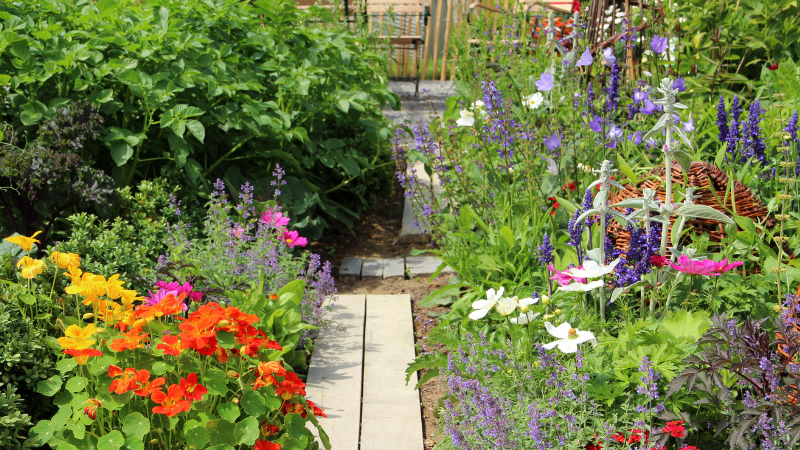
A mixed garden layout integrates vegetables, flowers, and herbs in the same space, creating a diverse and balanced ecosystem. This design is both functional and visually appealing, offering food, pollinator support, and pest control.
Mixed gardens are ideal for home gardeners who want to maximize productivity and biodiversity in their space.
Strategic Placement
When planning a mixed garden, place flowering plants like marigolds or zinnias near vegetables to attract pollinators and beneficial insects. Group herbs like basil or dill with vegetables to enhance flavor and deter pests.
Use taller plants like sunflowers or corn as natural trellises for climbing crops like beans or cucumbers, saving space and adding vertical interest.
Benefits of Diversity
Mixed gardens are more resilient to pests and diseases due to their diversity. They also promote soil health and support a wide range of pollinators, ensuring a thriving garden ecosystem.
Keyhole Garden Layout
Efficient Circular Design
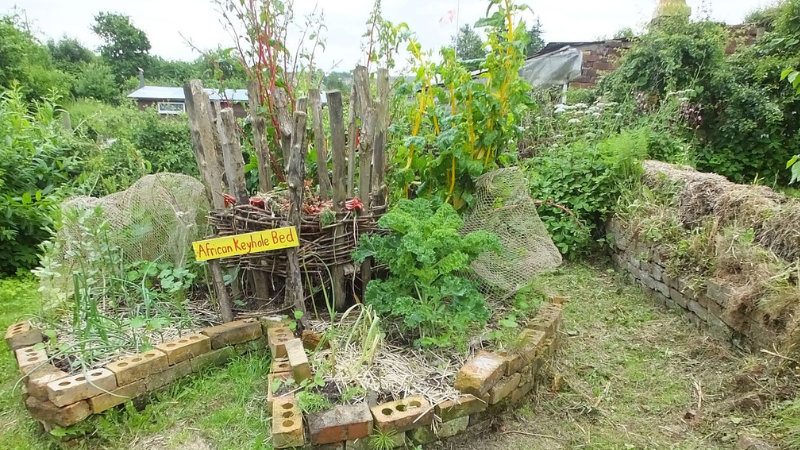
Keyhole gardens are circular raised beds with a central composting area, designed to maximize space and efficiency. This layout is ideal for small gardens or arid climates, as it retains moisture and recycles nutrients.
Keyhole gardens are easy to maintain and provide a sustainable way to grow vegetables, herbs, and flowers.
Building a Keyhole Garden
To create a keyhole garden, construct a circular raised bed with a pathway that leads to the center. Place a compost basket or pile in the center to feed the surrounding plants. Use layers of organic matter like straw, manure, and soil to create a nutrient-rich growing medium.
Sustainability and Productivity
Keyhole gardens conserve water, reduce waste, and produce high yields in a compact space. They’re a practical choice for gardeners seeking sustainable and low-maintenance solutions.