
Five Fall Cover Crops for Begginers

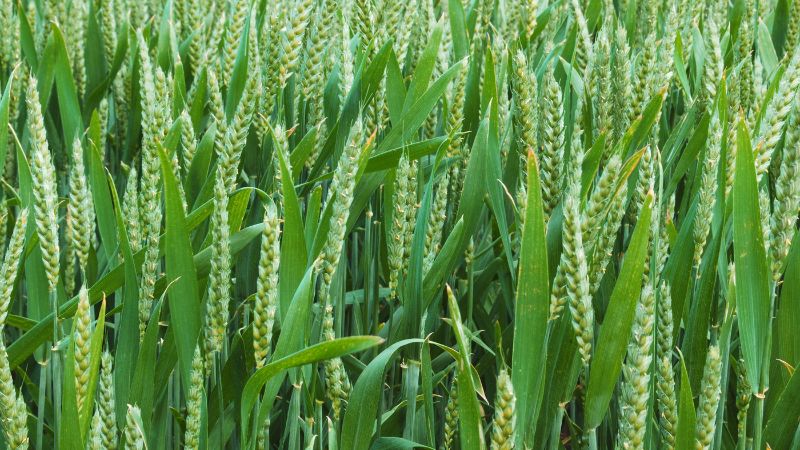
As the summer growing season winds down, many beginner gardeners might think it’s time to hang up their gardening gloves. However, fall is the perfect opportunity to introduce cover crops into your garden. These are not only excellent for improving soil health but also for preventing erosion, suppressing weeds, and enhancing moisture retention. Utilizing cover crops can rejuvenate your garden’s soil, setting the stage for a flourishing spring.
Choosing the right cover crops is crucial for beginners who might be unfamiliar with their benefits and uses. Ideal selections should be easy to grow, manage, and terminate. Here are five beginner-friendly cover crops that can be planted in the fall to enrich your garden’s soil throughout the winter months.
Rye
Rye is a hardy and vigorous grower, making it an excellent choice for beginners. It establishes quickly, providing a dense carpet of foliage that suppresses weeds effectively. This robust cover crop is also known for its ability to improve soil structure by adding organic matter as it decomposes.
Planting rye helps prevent soil erosion during the winter months, thanks to its extensive root system. It can also extract excess nitrogen left in the soil from previous crops, storing it in its plant tissue. When you turn rye into the soil in spring, it releases these nutrients back into the ground, providing a natural fertilizer for your next planting.
Another benefit of rye is its tolerance to cold, allowing it to grow later into the fall than other cover crops. This characteristic makes it ideal for gardeners in cooler climates who might experience early frosts. Rye’s ability to grow in poor soils also makes it a versatile choice for various garden types.
Hairy Vetch
Hairy vetch is a legume that fixes nitrogen from the air into the soil, which can significantly benefit the following spring’s crops. This process naturally enriches the soil, reducing the need for chemical fertilizers. Hairy vetch also produces a lot of biomass, which improves soil structure and fertility when incorporated before flowering.
It works well when planted with a grain like rye or wheat, as it can climb the taller plants for support. This symbiotic relationship allows vetch to thrive while protecting the soil from erosion by covering it more thoroughly than it might on its own. The dense growth of hairy vetch also helps suppress weeds, making garden maintenance easier in the off-season.
For beginners, hairy vetch is a forgiving crop that can tolerate a range of soil conditions and is winter-hardy. It continues to grow slowly throughout the winter and can be cut down in spring before it sets seed, making management straightforward.
Oats
Oats are a great choice for soil health, offering rapid growth which helps to suppress weeds and protect the soil from compaction. Like rye, oats can be sown later in the fall and will grow until the first hard frost, making them ideal for short-season areas. They also die off over winter, which simplifies management as they do not require mowing or herbicides in the spring.
The root system of oats helps improve soil structure by increasing porosity and water infiltration. This can prevent waterlogging and erosion during heavy winter rains. Oats also scavenge leftover nutrients from the soil, which can otherwise leach away or contribute to algae growth in waterways.
As a beginner-friendly cover crop, oats are straightforward to establish and require minimal care. They provide a protective cover over winter and naturally decompose by spring, enriching the soil with organic matter that boosts the health of upcoming crops.
Clover
Clover is another nitrogen-fixing legume that is valuable for restoring soil fertility. It can be planted in late summer or early fall and will grow until a hard freeze. Clover varieties like crimson and white clover are especially popular among beginners for their low maintenance and soil-building properties.
The deep root system of clover helps break up compacted soil, improving aeration and water retention. This makes it easier for subsequent vegetable roots to penetrate the soil. Additionally, clover attracts beneficial insects with its flowers, which can help control pest populations naturally.
Clover is also a perennial, which means it can be left in the ground to regrow year after year where winters are mild. This feature allows beginners to enjoy the benefits of a cover crop without replanting annually, making it a cost-effective and sustainable choice for home gardens.
Field Peas
Field peas are an excellent winter cover crop choice for colder areas as they can tolerate frosts and light freezes. They work similarly to other legumes by fixing atmospheric nitrogen into the soil, but they are particularly good at producing a large amount of biomass in a short period.
These peas also improve soil tilth and help break up hard soils with their robust root systems. The organic matter left behind after tilling them into the soil in the spring provides an excellent nutrient boost for the next crop. Furthermore, field peas can be mixed with grains like oats or barley to provide physical support and additional soil protection.
For beginners, field peas are particularly appealing because they’re easy to plant and grow quickly, providing visible results within a short period. They are also an excellent choice for improving the soil in areas that have been left barren or have had intensive cultivation, helping to restore soil health and structure for future planting seasons.


