
Herbs That Grow in Shade

Growing herbs in shady areas of your garden or home doesn’t mean you’ll be limited to lackluster options. In fact, many herbs thrive in filtered light or partial shade, making them perfect for those spots where the sun doesn’t quite break through. Whether you’re dealing with a north-facing garden or a balcony that only receives limited daylight, there are a variety of herbs that can flourish in these conditions, bringing fresh flavors to your kitchen and greenery to your space.
Shade doesn’t have to be a deterrent for cultivating a vibrant herb garden. The key is selecting the right types of herbs that can adapt to less intense sunlight. From culinary classics to aromatic wonders, these 11 herbs will prove that a garden need not be sun-drenched to yield a bountiful harvest. Below, we explore each of these shade-tolerant herbs, their growing requirements, and how they can be used in your cooking and holistic practices.
Mint
Mint is one of the most versatile and easy-to-grow herbs that can thrive even in low light conditions. It’s a hardy perennial that spreads quickly and can take over a garden space if not contained. Planting it in shaded areas can actually help manage its growth while still enjoying its fresh leaves for teas, cocktails, and culinary dishes.
This herb prefers moist, well-drained soil and can do well in partial to full shade. The lack of intense sun reduces its water needs, although keeping the soil consistently moist will yield the best results. Mint varieties like spearmint and peppermint are particularly good choices for shadier gardens.
Harvesting mint is simple: just snip the leaves or stems as needed. Regular harvesting encourages the plant to become bushier and more productive. The fresh flavor of mint leaves is perfect for enhancing salads, desserts, and beverages, and the leaves can also be dried for later use.
Parsley
Parsley is a biennial herb commonly used in culinary dishes worldwide, and it adapts well to partial shade. While it can grow in full sun, too much can cause the plant to bolt or turn bitter, making shaded conditions ideal for maintaining its lush, green foliage.
Growing parsley in shade helps the leaves stay tender and sweet, perfect for garnishing and flavoring. It requires soil that is rich in organic matter and retains moisture well without becoming waterlogged. Parsley can be grown from seed or transplants, which should be spaced adequately to allow for full, bushy growth.
Harvest parsley by cutting the outer leaves first, allowing the inner leaves to mature. This herb is not only a culinary staple for fresh dishes but also offers a rich source of vitamins and antioxidants, making it a valuable addition to any shade garden.
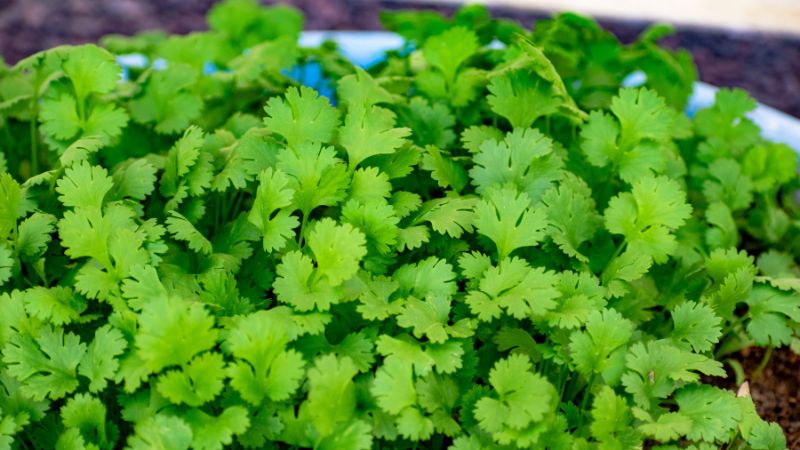
Cilantro
Cilantro, or coriander, is another herb that benefits from growing in cooler, shaded spots, especially since it tends to bolt in hot weather. Shady conditions prolong its growing season and prevent premature flowering, which can make the leaves taste bitter.
The plant prefers well-drained, fertile soil and regular watering to keep the soil moist but not soggy. Cilantro grows quickly and can be sown directly into the garden in early spring or late summer for a fall harvest.
Regular harvesting of the leaves encourages new growth and can prevent the plant from going to seed too early. Cilantro is perfect for adding a fresh, tangy flavor to Mexican and Asian dishes, and the seeds (coriander) can be dried and used as a spice.
Chives
Chives are a hardy perennial that can thrive in full sun or partial shade, making them ideal for slightly shaded gardens. They produce small, edible flowers and slender, grass-like leaves that are a tasty addition to any dish, particularly salads, soups, and potato recipes.
This herb prefers moist, fertile soil and can benefit from regular feeding with a balanced fertilizer. In shaded conditions, chives may grow slightly taller and less dense, but they will still produce plenty of usable leaves.
Harvest chives by cutting the leaves down to the base of the plant, which encourages new growth. The delicate onion flavor of chives makes them a perfect herb for enhancing the taste of dishes without overpowering other flavors.
Thyme
Thyme is a resilient herb that can perform well in partial shade, though it thrives best with some sunlight. It’s an essential herb in Mediterranean cuisine and offers a range of varieties, each with a unique flavor and aroma.
Thyme plants prefer well-drained soil and minimal watering once established, making them suitable for drier shade conditions. They do not require rich soil but benefit from light fertilization during the growing season.
Harvest thyme just before the plant flowers for the best flavor. Regular trimming helps maintain its compact form and encourages new growth. Thyme’s robust flavor is perfect for seasoning meats, stews, and breads, and it can also be dried for long-term storage.
Lemon Balm
Lemon balm, a member of the mint family, thrives in partial shade where it can be protected from the harsh afternoon sun. Its lemon-scented leaves make it a popular choice for teas and herbal remedies, as well as culinary uses.
The plant prefers rich, moist soil and adequate watering, especially in dry conditions. It can spread vigorously, so some containment might be necessary to prevent it from taking over garden spaces.
Harvest lemon balm by cutting the stems just above the leaf nodes to encourage bushier growth. The leaves are best used fresh to retain their fragrant aroma and can be added to drinks, salads, and desserts for a refreshing lemon twist.
Tarragon
Tarragon is a perennial herb that enjoys a well-drained, sunny to partially shaded spot in the garden. Known for its aromatic leaves, tarragon is a staple in French cuisine and is particularly good in sauces and with chicken dishes.
It requires fertile, well-drained soil and can benefit from occasional composting to boost nutrient levels. Tarragon should be watered regularly, but the soil should be allowed to dry out between waterings to prevent root rot.
To harvest tarragon, cut the top third of the branches, which encourages new growth and prevents the plant from becoming woody. Fresh tarragon has a much more potent flavor than dried, making it invaluable in cooking.
Oregano
Oregano is a robust herb that can tolerate partial shade, although it prefers full sun. This herb is a must-have for Italian, Greek, and Mexican dishes and grows as a perennial in many climates.
Oregano needs well-drained soil and only moderate watering, as it is somewhat drought-tolerant once established. In too much shade, oregano might not be as flavorful, so some sunlight can help enhance its aromatic oils.
Harvest oregano by cutting back the stems before the plant flowers. This method keeps the plant compact and encourages new, flavorful leaves. Oregano can be used fresh or dried for seasoning a variety of dishes.
Bay Laurel
Bay laurel is typically grown as a shrub or small tree, but it can adapt well to shady conditions, especially in hot climates where the sun might scorch its leaves. The leaves are widely used in cooking, especially in soups, stews, and sauces.
This plant prefers rich, well-drained soil and regular watering, though it is relatively drought-tolerant once established. Bay laurel can be grown in containers, which makes it easier to manage in shadier parts of a garden or patio.
To harvest bay leaves, pick the older leaves as they have more flavor and aroma. The leaves should be dried before use in cooking, as this intensifies their fragrance and makes them easier to store.
Sweet Woodruff
Sweet woodruff is an herb that thrives in the deep shade and moist soil of woodland gardens. It is known for its sweet-smelling leaves and small white flowers, making it not only useful as a herb but also attractive as a ground cover.
The plant prefers slightly acidic to neutral soil that retains moisture without becoming waterlogged. Sweet woodruff is a low-maintenance herb once established and can spread to form a dense carpet under trees or in shady borders.
Harvest sweet woodruff in the spring when the flowers bloom for the best flavor in culinary uses. The leaves and flowers can be used to flavor drinks and desserts, or dried to make aromatic sachets.
Lovage
Lovage is a tall perennial herb that resembles celery in flavor and is suited to both sunny and partially shaded parts of the garden. It can be used in soups, stews, and salads, particularly for its leaves and seeds.
The herb prefers rich, moist soil and can grow quite large, so it needs space to spread. Regular watering and feeding will help maintain its vigorous growth and potent flavor.
Harvest lovage leaves before the plant flowers for the best taste. Young leaves are milder and more suitable for fresh use, while older leaves can be used in cooked dishes. The seeds are also edible and can be collected in autumn for use as a spice.