Perennial Herbs for Hot Summer Climates

Cultivating perennial herbs in hot summer climates can be a delightful and aromatic addition to any garden. These herbs not only provide robust flavors for culinary uses but also offer beautiful foliage and sometimes flowers that attract pollinators. Selecting herbs that thrive in warm temperatures and withstand dry conditions ensures a lush, low-maintenance herb garden that returns year after year.
Perennial herbs suited for hot climates often have adaptations like deeper root systems or drought-resistant leaves, making them ideal for regions where temperatures soar. Here are ten perennial herbs that are perfect for hot summer climates, ensuring a bountiful harvest despite the heat.
Rosemary
Rosemary is a hardy herb known for its aromatic needles and woody growth. It thrives in full sun and well-drained soil, making it an ideal choice for hot, dry climates. This herb requires little water once established and can handle the heat without wilting.
Its deep root system allows it to access moisture from deeper soil layers, reducing the need for frequent watering. Rosemary is perfect for raising as a hedge or in containers where its fragrance can be enjoyed up close.
Rosemary can also be used in a variety of culinary dishes, from meats to focaccias, adding a Mediterranean flair to your cooking. Its resilience and minimal water needs make it a staple in any hot climate herb garden.
Thyme
Thyme is another Mediterranean herb that excels in hot, sunny environments. It prefers well-drained soil and can even thrive in rocky or sandy conditions. Thyme spreads easily, covering ground with its tiny, fragrant leaves.
This herb is drought-tolerant, often needing only the occasional watering during extremely dry periods. Its small size makes it ideal for borders, rock gardens, or as part of a mixed herb planter.
Culinary varieties like French and lemon thyme add delightful flavors to soups, roasts, and marinades. Thyme’s ability to grow prolifically in challenging conditions makes it a valuable addition to any garden.
Lavender
Lavender is renowned not only for its soothing fragrance but also for its ability to withstand hot, dry climates. It requires full sun and good air circulation to prevent moisture-related diseases. Lavender prefers alkaline, well-drained soil and minimal watering once established.
This herb is ideal for creating a sensory garden or as a border that will attract pollinators like bees and butterflies. The flowers can be dried and used in sachets, soaps, and teas.
Regular pruning helps maintain its shape and encourages flowering. Lavender’s drought tolerance and beautiful blooms make it a dual-purpose plant—both decorative and functional.
Sage
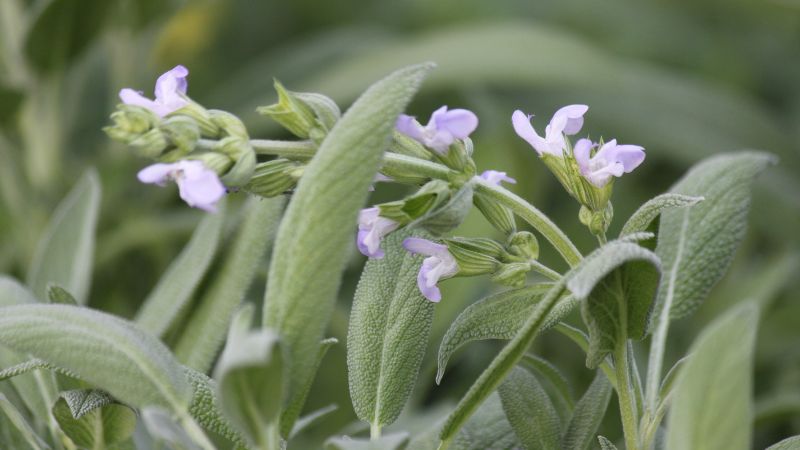
Sage thrives in full sun and well-drained, sandy soil, making it well-suited for hot climates. It is drought-resistant, needing only occasional watering once fully established. Its silvery leaves and woody stems add a strong flavor to dishes and a striking texture to the garden.
Sage can be used fresh or dried and is commonly featured in poultry dishes, stuffing, and sauces. It’s also beneficial for attracting bees and butterflies, enhancing the biodiversity of your garden.
To keep sage healthy, trim back the older stems to encourage new growth and prevent the plant from becoming too woody.
Oregano
Oregano is a vigorous grower in hot, dry conditions. It prefers full sun and well-drained soil. This herb spreads readily and can be divided easily to propagate new plants.
Oregano requires little watering once established and is perfect for a low-maintenance herb garden. Its sprawling habit makes it excellent for ground cover or cascading over walls or containers.
Used widely in Italian and Greek cuisine, oregano adds robust flavor to pizzas, pastas, and grilled meats. Its hardiness and ease of care make it an indispensable herb for hot climates.
Bay Laurel
Bay laurel is a versatile herb that thrives in warm climates. It can be grown as a tree or shrub, requiring full sun and well-drained soil. Once established, it is quite drought-tolerant, though it benefits from regular watering during long dry spells.
Bay leaves are used fresh or dried in cooking to add flavor to soups, stews, and sauces. The plant can also be pruned into decorative shapes, making it a functional and ornamental addition to the garden.
Bay laurel needs space to grow but can be kept smaller with regular pruning. Its slow growth rate and low maintenance requirements make it ideal for hot, sunny gardens.
Lemon Balm
Lemon balm is a robust perennial herb that enjoys hot, sunny locations. It prefers well-drained soil but tolerates a range of soil conditions. This herb spreads quickly and can become invasive if not contained.
Known for its calming properties, lemon balm can be used in teas, salads, and as a garnish for summer drinks. Its lemon-scented leaves can also deter insects, making it a practical choice for gardeners.
Regular harvesting and pruning keep it manageable and encourage fresh growth. Lemon balm’s resilience and utility make it a favorite in warm-weather herb gardens.
Mexican Mint Marigold
Mexican mint marigold is an excellent alternative to tarragon in hot climates where tarragon struggles. It prefers full sun and well-drained soil and is extremely drought-tolerant once established.
The plant produces small, golden flowers in the fall that are both edible and ornamental. Its anise-like flavor makes it suitable for fish, poultry, and egg dishes.
Mexican mint marigold is also known for its medicinal properties, particularly for digestive health. Its easy care and culinary versatility make it a valuable herb for hot climates.
Mint
Mint is exceptionally hardy and can thrive in a variety of climates, including hot, dry ones. It prefers partial shade but can tolerate full sun if kept moist. Mint is invasive and best grown in containers to prevent it from taking over the garden.
Mint is incredibly versatile in the kitchen, used in everything from teas and cocktails to sauces and desserts. Its vigorous growth ensures a steady supply throughout the growing season.
Ensure regular watering and harvesting to maintain its vigor and prevent it from becoming leggy. Mint’s robust nature makes it a perennial favorite in any herb garden.
Marjoram
Marjoram loves hot, sunny spots and well-drained soil. It is less invasive than oregano, with which it is often confused, and offers a sweeter, more delicate flavor. Marjoram is drought-tolerant once established, requiring minimal watering.
This herb is wonderful for flavoring meats, soups, and sauces and can be used fresh or dried. Its small, knotted flowers are attractive to bees and butterflies, adding life to your garden.
Marjoram’s compact growth habit makes it suitable for small spaces or containers, where it can be easily accessed for culinary use. Its mild flavor and ease of care make it a must-have for herb gardeners in warm regions.