
10 Vegetables that Love to Climb

Some vegetables don’t just grow—they climb! These vining plants make the most of vertical space, allowing gardeners to maximize their harvest even in small areas. By growing upwards, they also improve air circulation, reduce disease, and make harvesting easier.
If you have a trellis, fence, or garden arch, climbing vegetables are a great choice. They thrive when given the right support and can even provide natural shade for other plants. Here are 10 vegetables that love to climb and how you can grow them successfully.
1. Pole Beans
Pole beans are one of the easiest and most rewarding climbing vegetables. They grow quickly and can reach up to 10 feet tall when supported by a trellis or poles.
Unlike bush beans, pole beans continue producing throughout the season, providing a steady harvest. They thrive in warm weather and need full sun to grow their best.
To encourage upward growth, provide a sturdy trellis, bamboo poles, or a teepee structure. Harvest regularly to keep the plants producing.
2. Peas
Peas are natural climbers that love to latch onto anything nearby with their tendrils. They grow best on a trellis, netting, or wire fencing.
These cool-season vegetables prefer mild temperatures and grow quickly in early spring or fall. Regular watering and mulching help them produce sweeter, plumper pods.
Since they grow vertically, peas take up little space and make a great companion for low-growing crops like lettuce and spinach.
3. Cucumbers
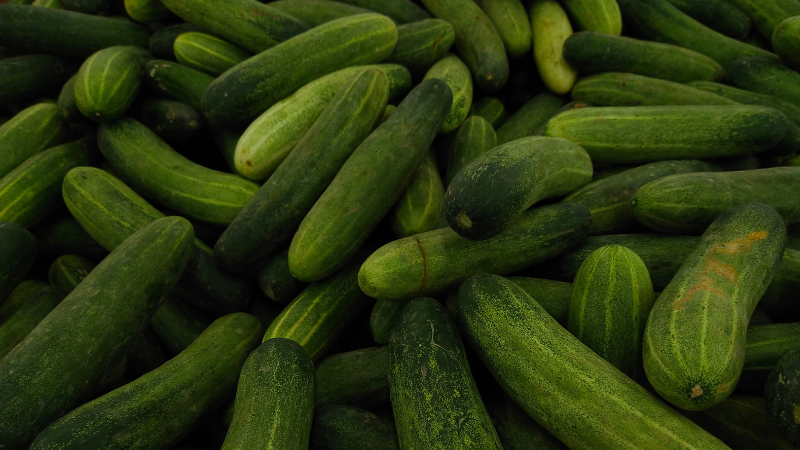
Cucumbers thrive when grown on a trellis, producing straighter and cleaner fruits compared to those grown on the ground. Climbing cucumbers also stay healthier since they have better airflow.
They grow quickly in warm weather and need consistent watering to prevent bitterness. Training them to climb early helps avoid tangled vines.
Vertical cucumber gardening also makes harvesting easier and prevents fruits from hiding under dense foliage.
4. Malabar Spinach
Malabar spinach isn’t a true spinach, but it’s a climbing green that thrives in warm weather. It grows on vines that can reach up to 10 feet tall.
This heat-loving plant is perfect for summer gardens when regular spinach struggles. Its thick, glossy leaves are packed with nutrients and great for salads or cooking.
Providing a trellis or sturdy fence allows Malabar spinach to grow upward, saving space in the garden.
5. Squash (Vining Varieties)
Certain squash varieties, like butternut and delicata, grow well when trained to climb. Unlike bush squash, these vining types can be supported on strong trellises or garden arches.
Growing squash vertically keeps the fruits off the ground, reducing rot and pest problems. It also allows for better air circulation, preventing diseases.
Use slings or netting to support heavier squash as they develop, preventing vines from snapping under the weight.
6. Pumpkins (Small Varieties)
Smaller pumpkin varieties, such as Jack Be Little or Sugar Pie, can be trained to climb with the right support. While large pumpkins are too heavy, these compact types do well on sturdy trellises.
Growing pumpkins vertically saves ground space and protects the fruits from pests and soil-borne diseases. It also makes them easier to harvest.
If needed, use mesh slings or cloth hammocks to support growing pumpkins and prevent vines from breaking.
7. Gourds
Gourds, including bottle gourds and luffa, love to climb and can reach impressive heights with proper support. They naturally wrap their tendrils around trellises and fences.
These fast-growing vines need plenty of sunlight and space to spread. Since gourds take a long time to mature, plant them early in the season.
Growing them vertically keeps fruits clean and allows for unique hanging shapes, especially for decorative gourds.
8. Tomatoes (Indeterminate Varieties)
Indeterminate tomato plants keep growing and producing fruit throughout the season, making them ideal for vertical gardening. They require staking, cages, or trellises to support their vines.
Training tomatoes to grow upright improves air circulation and reduces the risk of fungal diseases. It also makes harvesting easier and prevents fruit from rotting on the ground.
Regular pruning helps keep tomato vines manageable and encourages better fruit production.
9. Bitter Melon
Bitter melon is a vigorous climbing vine commonly grown in tropical and subtropical regions. It thrives when trained on a trellis or pergola.
This unique vegetable requires warm temperatures and plenty of sunlight. Its hanging fruits are easier to harvest when grown vertically.
Supporting bitter melon vines also prevents overcrowding and helps the plant focus energy on producing more fruit.
10. Yardlong Beans
Also known as asparagus beans, yardlong beans grow on long, climbing vines that can reach over 10 feet tall. They are best grown on trellises or fences.
These beans thrive in hot weather and produce extra-long pods that dangle down, making harvesting a breeze. Regular picking encourages more growth.
Because they grow vertically, yardlong beans take up very little space while providing a high yield. They’re a great choice for small gardens.