Snail Resistant Plants

Snails can be a persistent problem in gardens, munching on leaves, flowers, and even young seedlings. While chemical deterrents and barriers can help, choosing plants that naturally resist snails is an effective and low-maintenance solution. These plants have textures, scents, or compounds that make them unappealing to snails, keeping your garden healthier with less effort.
By incorporating snail-resistant plants, you can enjoy a thriving garden without constantly battling pests. Many of these plants are not only resilient but also add beauty, fragrance, and biodiversity to outdoor spaces. Below are snail-resistant plants to help protect your garden from these persistent invaders.
1. Lavender
Lavender is one of the best snail-resistant plants due to its strong fragrance and slightly woody stems. The essential oils in the leaves and flowers deter snails, making it a great choice for natural pest control.
This hardy perennial thrives in sunny, well-drained locations and requires minimal maintenance. In addition to being pest-resistant, lavender attracts pollinators like bees and butterflies, enhancing garden biodiversity.
Lavender works well as a border plant, in rock gardens, or even in containers. Its beautiful purple blooms and calming scent make it a wonderful addition to any outdoor space.
2. Rosemary
Rosemary’s strong scent and needle-like leaves make it unappealing to snails. The tough, woody texture of the stems also discourages chewing, keeping snails and slugs away.
This evergreen herb grows well in dry, well-drained soil and requires little water once established. It can be planted in garden beds, along pathways, or in pots for easy access to fresh herbs.
Aside from being snail-resistant, rosemary is a versatile culinary herb that enhances many dishes. It also attracts beneficial insects while adding year-round greenery to the garden.
3. Ferns
Ferns have tough, leathery leaves that snails find difficult to chew. Their dense foliage also makes it harder for snails to navigate, reducing the likelihood of an infestation.
Many ferns thrive in shady, damp conditions where snails are often found, making them an excellent choice for snail-prone areas. Species like the Japanese painted fern and the ostrich fern are particularly resistant.
Ferns add a lush, tropical feel to gardens and work well in woodland settings, shaded patios, or alongside other snail-resistant plants. They require minimal upkeep and are perfect for filling in gaps in garden beds.
4. Marigolds
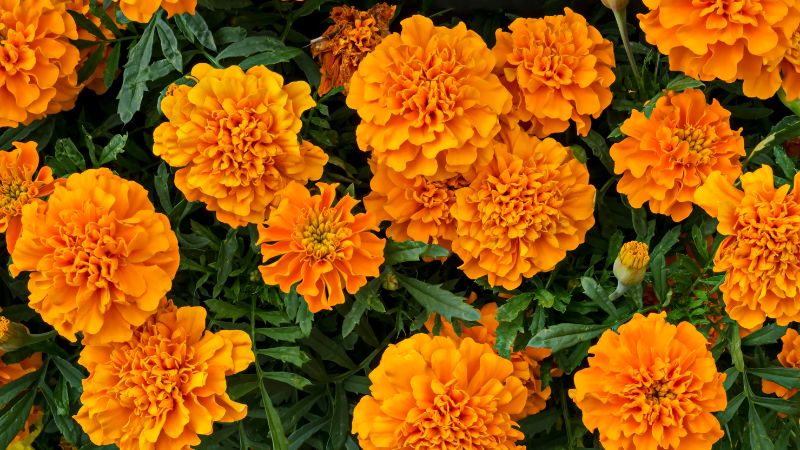
Marigolds have a strong scent that repels snails and other garden pests. While some tender young leaves may occasionally be nibbled, the plant’s overall resistance makes it a useful companion in vegetable gardens.
These vibrant flowers thrive in full sun and are known for their ability to attract beneficial insects, such as pollinators and predatory bugs that help control other pests.
Marigolds are easy to grow from seed and can be planted as borders or mixed with other flowers. Their bright orange and yellow blooms provide a cheerful touch while protecting nearby plants.
5. Foxgloves
Foxgloves are tall, striking plants with bell-shaped flowers that snails tend to avoid. The leaves contain toxic compounds that deter not only snails but also deer and rabbits.
These biennials or short-lived perennials grow best in partial shade and well-drained soil. They make excellent back-border plants in flower beds and add a cottage-garden charm.
Foxgloves attract hummingbirds and bees, making them a great choice for wildlife-friendly gardens. However, they are poisonous if ingested, so care should be taken in households with pets or small children.
6. Euphorbia (Spurge)
Euphorbia plants produce a milky, toxic sap that repels snails and slugs. Their tough, drought-tolerant nature makes them an excellent choice for low-maintenance gardens.
These plants come in various forms, from ground covers to large shrubs, offering plenty of versatility. Varieties like Euphorbia characias and Euphorbia myrsinites are particularly effective at deterring snails.
Euphorbias add unique textures and colors to garden beds, often featuring striking green or blue foliage with bright yellow flowers. They require little watering and thrive in dry, rocky soil.
7. Sage
Sage is another herb that naturally repels snails due to its strong scent and slightly fuzzy, textured leaves. The essential oils in the plant make it unappealing to many garden pests.
This hardy perennial thrives in full sun and well-drained soil, making it perfect for herb gardens, borders, or mixed planters. It also provides year-round greenery and culinary benefits.
Sage attracts pollinators like bees while keeping unwanted pests away. Its low-maintenance nature and pest resistance make it an excellent companion plant for vegetables and flowers.
8. Geraniums (Cranesbill)
Hardy geraniums, not to be confused with tender pelargoniums, are naturally resistant to snails. Their slightly hairy leaves and strong scent discourage feeding.
These perennials bloom in shades of pink, purple, and white, thriving in full sun to partial shade. They are excellent ground cover plants that suppress weeds while deterring snails.
Geraniums work well in cottage gardens, rock gardens, or borders. They require minimal care, making them a great choice for beginner gardeners looking to avoid snail damage.
9. Alliums
Alliums, including ornamental varieties and edible ones like onions, garlic, and chives, are highly effective at repelling snails. Their strong scent and sulfur compounds make them unappealing to many garden pests.
These plants thrive in well-drained soil and full sun, producing tall, globe-shaped flowers that add architectural interest to gardens.
Alliums are not only beautiful but also useful in companion planting, helping to protect nearby vegetables and flowers from snails and slugs.
10. Yarrow
Yarrow is a tough, drought-resistant plant with feathery leaves and clusters of tiny flowers that snails tend to avoid. The slightly bitter taste and firm texture of the foliage make it unappetizing.
This perennial thrives in dry, sunny conditions and requires little maintenance. It is often used in wildflower meadows, pollinator gardens, or as a border plant.
Yarrow attracts beneficial insects like bees and butterflies while helping to deter common garden pests. Its ability to thrive in poor soil makes it a resilient and reliable plant choice.
11. Heuchera (Coral Bells)
Heuchera plants have thick, slightly hairy leaves that make them less appealing to snails. Their striking foliage comes in shades of green, purple, red, and bronze, adding year-round color to gardens.
These perennials grow well in shaded or partially sunny spots and are excellent for borders, rock gardens, or containers. Their bell-shaped flowers attract pollinators while resisting pests.
Heuchera is an easy-care plant that pairs well with other snail-resistant species, providing both beauty and function in small or large gardens.