
Cactus White Coating: How to Fix It

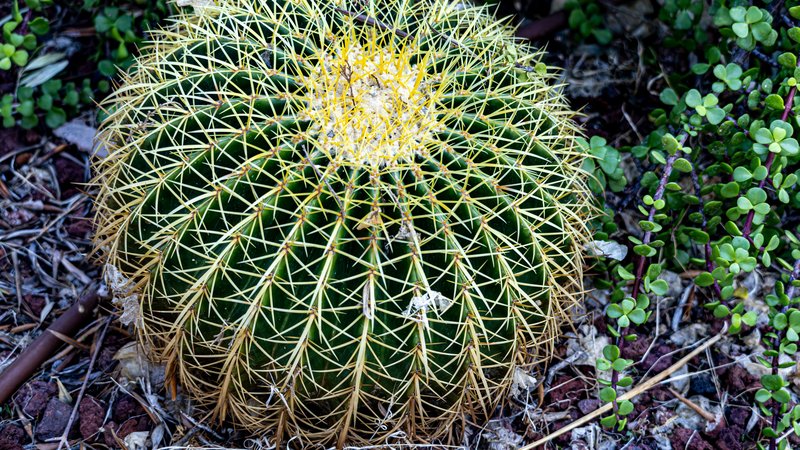
A cactus white coating can appear suddenly and leave even experienced growers puzzled. Whether it shows up as fuzzy white clusters, powdery film, crusty deposits, or a waxy buildup, each type signals a different underlying problem that requires a specific response.
Identifying the exact cause is the most important first step before any treatment. Some white coatings are harmless or even natural, while others—left untreated—can seriously weaken or kill your plant. This guide walks through every major cause and gives you practical, proven solutions.
Understanding White Coating on Cacti: Causes and Identification
White coatings on cacti fall into several distinct categories. Knowing which one you are dealing with determines everything about how you respond.
The most common causes include cochineal scale insects, powdery mildew, mineral salt deposits, frost damage, and natural species-specific wax. Each cause produces a visually different white substance and appears in a different pattern on the plant.
Start by examining the coating closely. Does it wipe off easily? Is it sticky, dry, powdery, or crystalline? Does it appear only on certain parts of the cactus or spread uniformly?
Cochineal Scale Insects and Waxy Buildup
Cochineal scale insects are one of the most frequent culprits behind white fluffy patches on cacti. These tiny insects produce a white waxy or cottony protective coating that covers their bodies as they feed on the plant’s sap.
The white masses typically appear in clusters, especially at the base of spines or in crevices. If you crush one of the white spots and see a red or dark purple stain, you are dealing with cochineal insects.
Left unchecked, heavy infestations cause yellowing, wilting, and eventual death of the cactus. Early detection is critical for effective treatment. You can learn more about scale insect identification to confirm your diagnosis.
Distinguishing Powdery Mildew from Cochineal Scale
Powdery mildew is a fungal disease that produces a white or grayish powdery film on the surface of the cactus. Unlike cochineal scale, it does not cluster around spines—it spreads in flat, dusty patches across the skin of the plant.
Mildew tends to appear when airflow is poor and humidity is high. It is more common on cacti grown indoors or in greenhouses than on those kept in open, arid conditions.
Scale insects, by contrast, leave a cottony or waxy residue that has texture and structure. If you run a finger over the white coating and it smears like dust, suspect mildew. If it has a fibrous, fluffy quality, suspect scale.
Mineral Deposits and Hard Water Residue
Hard water contains dissolved minerals—primarily calcium and magnesium—that leave white crusty deposits on the soil surface, pot walls, and the base of the cactus after water evaporates. This is a purely cosmetic issue in most cases, but heavy buildup can affect soil chemistry over time.
A key sign of mineral deposits is that the white residue appears only where water contacts the plant or pot, not on the upper parts of the cactus. It will also feel gritty or chalky rather than soft or powdery.
One grower in a cactus community discussion noted that flushing with acidic water temporarily removed the deposits, but the salts returned as soon as the pot dried—pointing to mineral-rich decorative rocks as the ongoing source. If salt deposits only appear on pots containing certain minerals or rocks, the substrate itself may be the source of the problem.
Frost Damage and Cold-Related White Appearance
Frost damage can cause the surface of a cactus to appear pale, bleached, or white in affected areas. This happens because freezing temperatures rupture the plant’s cells, causing the tissue to die and discolor.
Cold-related whitening typically appears after an unexpected temperature drop. Unlike pest or fungal issues, frost damage will not spread—it remains confined to the areas that were exposed to freezing temperatures.
Affected tissue often turns mushy before drying out and turning white or brown. Removing the damaged sections promptly prevents secondary fungal infections from taking hold.
Fungal Issues and Mold Development
Beyond powdery mildew, other fungal problems can cause white or pale discoloration on cacti. White mold, for instance, can develop on the soil surface or at the base of the plant in overly wet conditions.
Fungal growth on cacti is almost always linked to excess moisture. Overwatering is the single most common trigger for fungal development in container-grown cacti.
Improving drainage and reducing watering frequency is the first corrective step. In persistent cases, a diluted fungicide labeled for succulents can be applied carefully to affected areas.
Environmental Factors: Sunburn, Poor Ventilation, and Overwatering
Environmental stress can also produce white or pale patches that mimic disease or pest damage. Sunburn, for example, causes white or yellow scarring on the side of the cactus that faces direct intense light.
Poor ventilation creates the humid, stagnant conditions that favor both mildew and scale insects. Ensuring strong airflow around your cacti is one of the most effective preventive measures available.
Overwatering weakens the plant’s defenses and softens its tissue, making it far more vulnerable to every type of white coating problem. Always allow the soil to dry completely between waterings.
Indoor Versus Outdoor Cactus White Coating Causes
Indoor cacti face different white coating risks than outdoor ones. Indoors, poor air circulation, lower light levels, and inconsistent watering schedules create ideal conditions for powdery mildew and scale insects.
Outdoor cacti are more exposed to natural predators that keep pest populations in check, but they face greater risks from hard water irrigation, mineral soil runoff, and frost. The growing environment is the most important variable when diagnosing any white coating problem.
If you are growing cacti indoors alongside other plants, consider reviewing your setup with guidance from resources on large indoor plants to optimize your space and airflow conditions.
Species-Specific Susceptibility and Natural White Coatings
Not every white coating is a problem. Many cactus species naturally produce a white, powdery, or waxy substance called farina or epicuticular wax. This is a protective adaptation that reflects intense sunlight and reduces water loss.
Species such as Mammillaria, Espostoa, and certain Opuntia varieties are covered in white hairs or wool that is entirely natural. Never attempt to remove natural farina or trichomes—doing so permanently damages the plant’s protective layer.
Research your specific species before treating any white coating. What looks alarming on one cactus may be a normal and healthy feature on another.
Treatment Methods and Insecticide Application
For cochineal scale, the most effective initial treatment is a strong jet of water or a cotton swab dipped in rubbing alcohol applied directly to each cluster. This physically removes the insects and dissolves their waxy coating.
For larger infestations, insecticidal soap or neem oil can be applied to the entire plant. Always test any chemical treatment on a small area first, as some cacti are sensitive to oil-based sprays.
For powdery mildew, a diluted solution of baking soda and water or a sulfur-based fungicide applied in the early stages is often sufficient. Repeat applications every seven to ten days until the mildew clears.
Beneficial Insects for Natural Cochineal Control
In outdoor gardens, several beneficial insects naturally prey on cochineal scale and other soft-bodied pests. Ladybugs, lacewing larvae, and certain parasitic wasps are among the most effective natural controllers.
Encouraging these predators by avoiding broad-spectrum insecticides and planting companion flowers nearby can significantly reduce scale populations over time. Biological control is a sustainable, long-term strategy that complements manual removal.
For growers interested in broader pest prevention strategies, preventing garden pests naturally is a valuable approach that applies well beyond cacti.
Regional Climate Considerations for Prevention
Your climate zone plays a major role in which white coating problems are most likely to affect your cacti. Growers in humid regions face far greater risks from mildew and fungal issues than those in arid climates.
In hot, dry zones—such as those served by desert bloom programs and local extension services—mineral deposits and cochineal scale are the dominant concerns. Growers in these regions should use filtered or rainwater when possible to minimize salt buildup.
Matching your care routine to your local climate is one of the most powerful preventive tools at your disposal. What works in a dry desert region may actively cause harm in a cool, humid one.
Seasonal Timing and Pest Life Cycle Management
Cochineal scale and mealybugs tend to peak during warm, dry seasons when natural predators are less active and the plant is under moderate stress. Monitoring your cacti closely during these periods allows you to catch infestations early.
Inspect your cacti at least once every two weeks during the active growing season. Early-stage infestations can be resolved with a single manual treatment, while late-stage ones may require repeated chemical intervention.
Fungal issues like powdery mildew tend to peak in cooler, more humid conditions—often in late autumn or when plants are moved indoors. Adjusting ventilation and watering habits ahead of seasonal transitions reduces risk significantly.
Recovery Timeline and Salvaging Affected Cacti
Recovery time depends heavily on how severe the infestation or damage was before treatment began. A cactus with a light scale infestation treated promptly can recover fully within a few weeks.
Plants with extensive fungal damage or severe frost injury may take several months to show meaningful recovery—if they recover at all. Do not discard a damaged cactus too quickly; many species are remarkably resilient and can regrow from a single healthy section.
Continue monitoring treated plants closely for at least two full months after treatment to ensure the problem does not return from surviving eggs or spores.
Propagation Techniques for Damaged Plants
If a cactus is too severely damaged to recover as a whole plant, propagation from healthy sections is often possible. Many cacti root readily from stem cuttings or offsets taken from undamaged tissue.
Cut cleanly with a sterilized blade, allow the cutting to callous for several days in a dry, shaded spot, then place it in fresh, well-draining soil. Never plant a fresh cutting directly into wet soil—this almost always leads to rot.
Resources like desert plant propagation guides and white mold management resources can provide additional technical support for growers dealing with compromised plants.
Prevention Strategies and Long-Term Care
Prevention is far easier than treatment. The foundation of long-term cactus health is proper watering, excellent drainage, strong airflow, and regular visual inspections.
Use a well-draining cactus mix, avoid overhead watering, and space plants far enough apart to allow air to circulate freely. Quarantine any new cactus for at least two to four weeks before placing it near your existing collection.
Periodically flushing pots with slightly acidic water can help dissolve mineral salt buildup before it becomes problematic. If your tap water is very hard, consider switching to collected rainwater or filtered water for regular irrigation.
Healthy, well-cared-for cacti resist pests and disease far more effectively than stressed ones. Investing in the basics of good care is the most reliable protection against every type of white coating problem your plants may face.