Gardening 101: How to Start a Garden

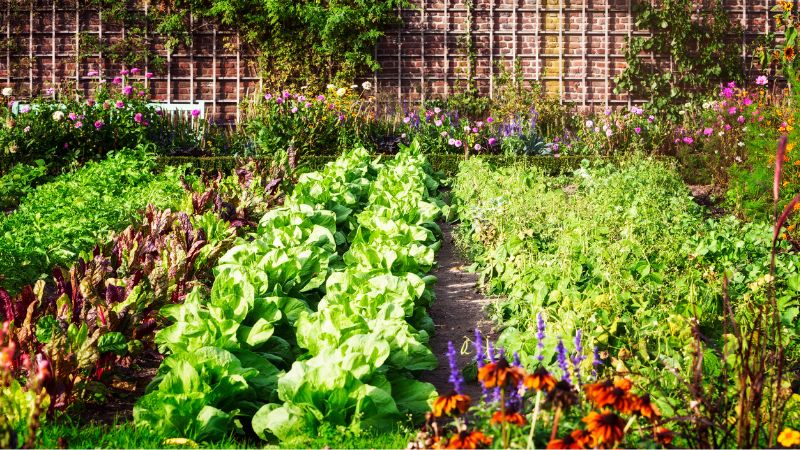
Gardening can be a rewarding hobby and a sustainable way to improve your home environment. Whether you have a small patio or a sprawling backyard, starting a garden brings a sense of accomplishment and beauty to your space. The key to successful gardening is understanding the basics and preparing properly before planting your first seeds.
Before you dig into the earth, planning is crucial. Determine what type of garden you want—vegetable, flower, herb, or a combination. Consider the climate, the amount of daily sunlight, and the space available. These factors will influence the type of plants you can grow and the layout of your garden. Now, let’s explore the essential steps to create a thriving garden from scratch.
Choose the Right Location
The location of your garden significantly affects its success. Most vegetables and flowers need about 6-8 hours of sunlight per day, so choose a spot that meets this requirement. Avoid areas that are too windy or near trees where roots and shade might impede plant growth. Also, consider accessibility for watering and maintenance.
Check the quality of the soil in your chosen location. The soil should be fertile and well-draining. If your soil is heavy with clay or sand, it can be amended with compost or garden soil to improve its texture and nutrient content. Simple soil tests can be purchased at garden centers, which will help you understand what amendments your soil might need.
Finally, think about the garden’s proximity to your water source. Make watering as convenient as possible to maintain consistent moisture levels, which is crucial for plant health. If a natural water source isn’t nearby, consider setting up a rain barrel or an irrigation system.
Select Appropriate Plants
Choose plants that will thrive in your climate and soil conditions. Consult local garden centers, fellow gardeners, or cooperative extension services for advice on the plants best suited for your area. They can provide valuable information on the best varieties and planting times.
Start with easy-to-grow plants if you are a beginner. Vegetables like tomatoes, peppers, and cucumbers and flowers like sunflowers, marigolds, and petunias are forgiving for first-time gardeners. These plants generally require less specialized care and can adapt to varying conditions.
Consider the growing seasons of your chosen plants. Some plants do well in cool weather, like lettuce and spinach, while others need warmer temperatures, like most annual flowers and vegetables. Timing your planting correctly increases the chance of successful harvests and blooms.
Plan Your Garden Layout
Sketching a basic layout of your garden can help you organize your space efficiently. Determine where each plant or row of plants will go, considering their height and spread at maturity. This prevents overcrowding and promotes healthy airflow among plants, reducing the risk of disease.
Group plants with similar water and sunlight needs together to simplify care. This technique, known as “companion planting,” can also help deter pests and enhance growth by creating a diverse and supportive ecosystem.
Leave paths for access in your garden layout. This will make it easier for you to plant, weed, and harvest without stepping on growing plants. Pathways also improve the garden’s appearance and functionality, making it a pleasant space to work in and enjoy.
Prepare the Soil
Preparing the soil is perhaps the most critical step in starting a garden. Begin by clearing the area of weeds, debris, and large stones. This will ensure that your plants have unobstructed growth and prevent pests and diseases from taking hold early on.
Next, loosen the soil. Use a spade or a tiller to break up and aerate the ground. This process helps improve drainage and makes it easier for roots to penetrate the soil. If your soil is poor or compacted, incorporate generous amounts of organic matter like compost or aged manure. These amendments enhance soil fertility and structure, fostering a better growing environment.
Test the pH level of the soil to determine if any adjustments are needed. Most plants prefer a pH between 6.0 and 7.0. If the pH is too high or too low, you can modify it using lime (to raise the pH) or sulfur (to lower the pH) according to the test results and recommendation rates.
Watering Strategies
Effective watering is essential for a healthy garden. The goal is to water the roots of the plants rather than the leaves, which helps prevent fungal diseases and maximizes water use. Use a watering can or a soaker hose for targeted watering that minimizes waste and evaporation.
Water your garden in the early morning or late afternoon to reduce water loss from evaporation. This timing also allows the leaves to dry out quickly, decreasing the likelihood of disease. Ensure the soil is moistened deeply, which encourages deeper root growth and increases drought tolerance.
Consider the specific water needs of each plant. Some plants may require more frequent watering, while others thrive with less. Adjust your watering schedule based on rainfall and temperature changes to maintain optimal soil moisture levels.
Maintenance and Care
Regular maintenance is crucial to keep your garden healthy and productive. Mulching around your plants with organic materials like straw, wood chips, or leaves helps retain soil moisture, suppress weeds, and add nutrients as it decomposes.
Monitor your plants regularly for signs of pests or disease. Early detection is key to managing problems before they become severe. Use organic pesticides and fungicides if necessary, applying them according to label instructions to minimize harm to beneficial insects and the environment.
Prune your plants to promote healthy growth and productivity. Removing dead or diseased branches and spent flowers encourages new growth and improves air circulation, which can help prevent many common garden problems. Regular pruning also keeps your garden looking tidy and well-cared for, enhancing the overall health and aesthetic appeal.