15 Kitchen Herb Garden Ideas

Growing herbs in your kitchen is a great way to have fresh flavors at your fingertips while adding greenery to your space. Whether you have a large kitchen or a small apartment, there are plenty of creative ways to set up a herb garden. The key is to choose the right containers, lighting, and layout to ensure your herbs thrive.
From hanging planters to countertop pots, these kitchen herb garden ideas will help you make the most of your space. Whether you’re a beginner or an experienced gardener, these setups will keep your herbs fresh and ready to use in your favorite dishes.
Windowsill Herb Garden
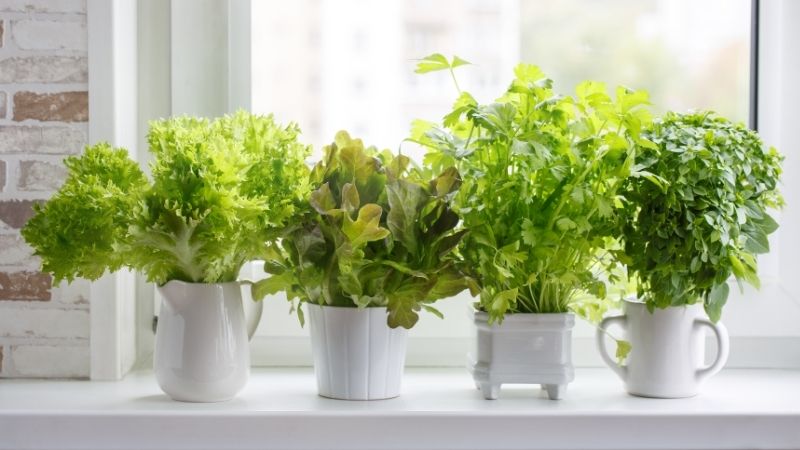
A windowsill herb garden is one of the easiest and most practical ways to grow fresh herbs. If your kitchen has a sunny window, it provides the perfect natural light for basil, parsley, and thyme.
Use small pots or a long planter box to keep things organized. Make sure your containers have drainage holes to prevent overwatering. If space is tight, opt for stackable or narrow planters to maximize the growing area.
Rotate the plants occasionally so they grow evenly toward the light. If your window doesn’t get enough sunlight, consider adding a small grow light to keep your herbs healthy.
Hanging Herb Garden
A hanging herb garden is perfect for saving counter space while keeping your herbs within reach. You can use hanging baskets, macramé plant holders, or even repurposed mason jars attached to a wooden board.
Choose lightweight herbs like oregano, chives, or mint that won’t weigh down the setup. Hang them near a window or under a cabinet with a grow light to provide sufficient light.
Water them carefully, as hanging planters can dry out faster than those on countertops. A misting spray can help keep the soil moist without overwatering.
Mason Jar Herb Garden
Mason jars are a stylish and affordable way to grow herbs in your kitchen. They take up minimal space and can be placed on a shelf, countertop, or windowsill.
Since mason jars don’t have drainage holes, add a layer of small pebbles at the bottom to help prevent root rot. Use well-draining potting soil and water the herbs sparingly to avoid soggy roots.
Label each jar with the herb’s name using chalk labels or paint for a decorative touch. This setup works well for herbs like basil, cilantro, and parsley.
Vertical Wall Herb Garden
If you’re short on counter space, a vertical herb garden is a great solution. Install a pegboard, wooden shelves, or wall-mounted planters to create a functional and decorative display.
Choose sturdy wall planters with proper drainage to prevent water buildup. Herbs like rosemary, thyme, and sage work well in this type of setup.
Position the garden in a spot with good natural light or use adjustable grow lights to ensure proper growth. This method keeps your kitchen organized while adding a fresh, green accent to the walls.
Tiered Herb Stand
A tiered herb stand is a space-saving way to keep multiple herbs in one organized setup. These stands can sit on the countertop, in a corner, or even on the floor near a bright window.
Look for a stand with multiple levels to give each herb enough light and air circulation. Stackable plant trays or ladder-style shelves work well for this purpose.
Group herbs with similar watering needs together to make care easier. This setup is ideal for a variety of herbs, from delicate cilantro to hardy rosemary.
Magnetic Herb Garden on the Fridge
A magnetic herb garden is a fun and creative way to grow fresh herbs without taking up valuable counter space. Use small magnetic planters or attach small containers to a metal sheet on your fridge.
Since these containers are usually small, choose compact herbs like thyme, chives, or microgreens. Water them lightly and check for drainage to avoid soggy soil.
This method works best in kitchens with good natural light. If needed, place the planters near a light source or use small grow lights to help them thrive.
Under-Cabinet Herb Garden
Utilizing the space under your kitchen cabinets is another smart way to grow herbs. Install small planters, floating shelves, or a row of hanging baskets under the cabinets for a functional and stylish setup.
Use LED grow lights under the cabinets if natural light is limited. Herbs like basil, parsley, and mint work well in this environment.
Keep the herbs trimmed to prevent them from growing too tall and touching the cabinet above. This method keeps your herbs conveniently close while freeing up counter space.
Hydroponic Kitchen Herb Garden
A hydroponic herb garden allows you to grow herbs without soil, using water and nutrients instead. This system is great for those who want a low-maintenance, mess-free gardening option.
There are various hydroponic kits available, from countertop units to larger vertical systems. Most come with built-in grow lights, making them ideal for kitchens with little to no natural light.
Popular herbs for hydroponic gardening include basil, mint, dill, and chives. Since they grow quickly in these systems, you’ll always have fresh herbs ready for cooking.
Drawer Herb Garden
A deep kitchen drawer can be repurposed into a hidden herb garden. Simply line the drawer with a waterproof tray, fill it with small potted herbs, and slide it out when needed.
This method works well for kitchens with limited counter space. Make sure to place the drawer near a window or install a small grow light inside.
Use lightweight, compact herbs like thyme, oregano, and basil for best results. Keep the soil well-drained to prevent excess moisture buildup inside the drawer.
Corner Shelf Herb Garden
A small, unused kitchen corner can be turned into a stylish herb garden using tiered shelves or a corner stand. This is a great way to use awkward spaces efficiently.
Choose a corner with access to natural light or install a small lamp with a grow light. Arrange herbs based on their light requirements, keeping sun-loving ones on top and shade-tolerant ones on lower shelves.
Use decorative pots or matching containers to create a cohesive look. This setup works well for a mix of culinary herbs like basil, thyme, and cilantro.
Hanging Rod Herb Garden
A simple rod with hooks can be used to hang small herb planters or baskets. This setup is great for kitchens with limited surface space and adds a decorative touch to the room.
Install the rod near a window or under a cabinet with a light source. Choose lightweight herbs like chives, mint, and oregano for best results.
Water carefully to prevent dripping. Using self-watering planters or placing saucers under each pot can help keep your kitchen tidy.
Bookshelf Herb Garden
If you have an open shelving unit in your kitchen, turn part of it into a dedicated herb garden. Arrange pots neatly on the shelves, making sure they get enough light.
Use matching pots or decorative planters to create a visually appealing display. Keep taller herbs in the back and smaller ones in the front for easy access.
This method works well for kitchens with limited space, as it integrates seamlessly into existing furniture. Make sure the shelves are strong enough to support the weight of the pots.
Recycled Container Herb Garden
Upcycling old containers is an eco-friendly way to create a herb garden. Use tin cans, tea tins, or glass jars as unique planters.
Drill small holes in the bottom for drainage, or add a layer of pebbles to prevent water buildup. Arrange them on a tray, shelf, or windowsill for a rustic, charming display.
This method is perfect for growing small herbs like chives, thyme, and parsley. Label each container to keep track of your plants and add a personalized touch.
Movable Herb Cart
A rolling herb cart allows you to move your plants around for better light exposure. It’s a great option if your kitchen layout changes frequently or if you want flexibility in placement.
Choose a cart with multiple shelves to maximize growing space. Keep herbs that require more sunlight on the top shelf and shade-tolerant ones below.
Water the plants as needed and rotate them occasionally to ensure even growth. This setup makes it easy to bring fresh herbs directly to your cooking area.