Native Plant Landscaping: Growth Trends & Benefits (2026 Update)

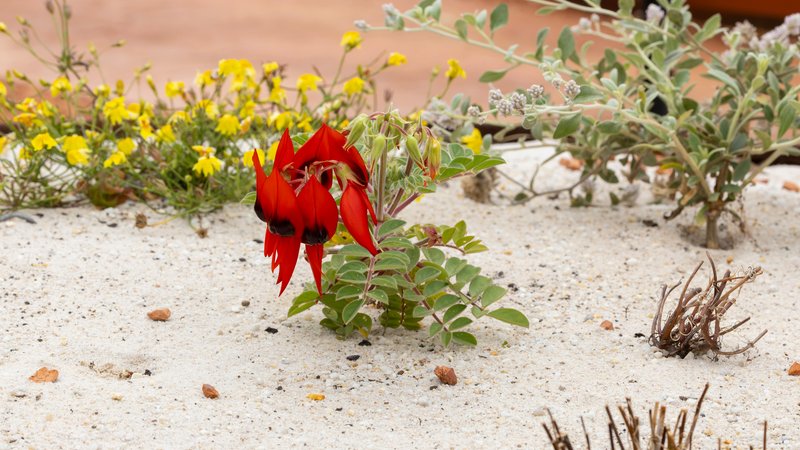
Native plant landscaping has moved well beyond a niche gardening trend—it has become one of the most practical and ecologically sound approaches homeowners and landscape professionals are embracing today. By choosing plants that naturally evolved in your region, you create a landscape that works with local soils, rainfall patterns, and wildlife rather than against them. The result is a yard that is not only beautiful but also far more resilient and self-sustaining than a conventional lawn.
Interest in this approach has accelerated as more people recognize the connection between their outdoor spaces and broader environmental health. From reducing water bills to supporting endangered pollinators, the motivations are as diverse as the plants themselves. Whether you have a sprawling suburban lot or a compact urban yard, there is a native planting strategy that can transform your outdoor space into a thriving, low-maintenance ecosystem.
Understanding Native Plant Landscaping and Its Growing Popularity
A plant is considered native when it has evolved in a specific region over thousands of years without human introduction. These plants have developed deep relationships with local insects, birds, and soil microbes that non-native species simply cannot replicate.
Growing public awareness of biodiversity loss and climate stress has pushed native landscaping into the mainstream. Municipalities, schools, and private homeowners alike are replacing traditional turf with regionally appropriate plantings at a rapidly increasing rate.
Environmental and Ecological Benefits of Native Plants
Native plants require significantly less supplemental watering once established because their root systems are adapted to local precipitation cycles. This dramatically reduces household water consumption, especially during summer drought periods.
Their deep root structures also improve soil health by reducing compaction, increasing organic matter, and preventing erosion. These benefits extend well beyond the individual yard, improving watershed quality and reducing runoff into local streams and rivers.
Because native plants co-evolved with local pest populations, they tend to require far fewer chemical inputs. Reducing or eliminating pesticide use protects soil biology, aquatic ecosystems, and the broader food web.
Supporting Wildlife, Pollinators, and Biodiversity
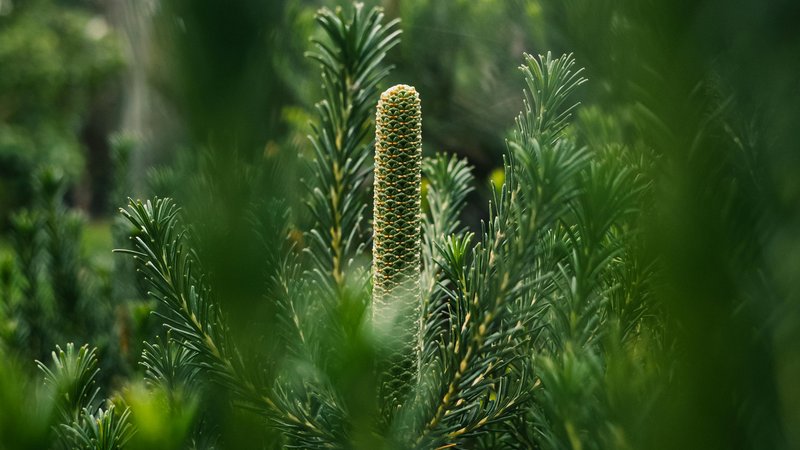
Native plants are the foundation of local food webs, providing the specific foliage, nectar, and seeds that native insects and birds have evolved to depend on. A yard filled with native species can support hundreds of insect species that a conventional lawn simply cannot.
Protecting pollinators starts in your own backyard, and native plantings are the most direct action an individual homeowner can take. Monarch butterflies, native bees, and hummingbirds all depend on specific native plant relationships that have developed over millennia.
For those interested in deepening their pollinator support, our guide on bee-friendly farming offers complementary strategies that pair beautifully with a native plant approach.
Cost Comparison: Native Plants Versus Non-Native Alternatives
One of the most common misconceptions is that native plants cost more upfront. In reality, the purchase prices are quite competitive with conventional options.
According to detailed cost data, native shrubs range from $15–$30 each, while traditional shrubs often cost $20–$50. Trees in native landscaping range from $200–$500, compared to $250–$600 for non-native varieties.
The long-term savings are where native plants truly shine. Reduced irrigation, minimal fertilization, and lower pest control costs mean the return on investment grows every single season after establishment.
Native Plant Landscaping for Small Spaces and Urban Gardens
Small yards are no barrier to creating a meaningful native landscape. Many native species are naturally compact, making them ideal for tight urban lots, courtyard gardens, and narrow side yards.
Native Plants for the Small Yard is an excellent resource that provides visual guides, plant lists, and practical examples for homeowners working with limited square footage. It covers both the best native plants for small spaces and identification guides for common weeds and invasive species.
If you are looking for additional inspiration, our collection of mini garden designs showcases creative layouts that work beautifully alongside native planting schemes.
Regional Adaptation and Climate-Specific Plant Selection
Not all native plants are native to every region, which is why local sourcing and regional research matter so much. A plant native to the Pacific Northwest may be completely unsuitable for the Gulf Coast, and vice versa.
Understanding your specific ecoregion is the first step toward making informed plant selections. Local ecotype guidance from Wild Ones explains why sourcing plants from your specific geographic area produces far better establishment results than purchasing generically labeled native species.
Always cross-reference plant selections with your USDA hardiness zone, local precipitation averages, and soil type before purchasing. This simple step prevents the most common and costly native planting failures.
Seasonal Planting Timelines and Installation Guides
Fall is widely considered the best season for planting most native species across temperate climates. Cooler temperatures and increased rainfall allow root systems to establish before the stress of summer heat arrives.
Spring planting is also effective for many native wildflowers and grasses, provided supplemental watering is available during the first growing season. Avoid planting during peak summer heat, as even drought-tolerant natives are vulnerable during their initial establishment phase.
Bare-root plants are best installed during dormancy, typically in late winter or very early spring. Container-grown plants offer more flexibility but still benefit from fall or spring timing for optimal root development.
Transitioning to Native Plants: Common Mistakes to Avoid
One of the most frequent mistakes is removing all existing vegetation at once and attempting a complete transformation in a single season. This approach overwhelms both the gardener and the site, often leading to weed explosions and plant failures.
A phased transition—starting with one bed or one lawn section per season—allows you to learn what works in your specific conditions before scaling up. Patience during the first two growing seasons is essential, as most native plants invest heavily in root development before producing significant above-ground growth.
Invasive Species Removal and Site Preparation
Successful native landscaping begins with thorough site preparation, which almost always includes identifying and removing invasive plant species. Invasives compete aggressively with natives and can undermine an entire planting if left unchecked.
Sheet mulching—layering cardboard under wood chip mulch—is one of the most effective and chemical-free methods for suppressing invasive ground cover before planting. Allow at least one full growing season after sheet mulching before planting into heavily invaded areas.
Native Plant Alternatives to Popular Ornamental Species
Many beloved ornamental plants have native counterparts that offer similar aesthetic appeal with far greater ecological value. For example, native viburnums can replace invasive burning bush, and native spicebush makes an excellent substitute for non-native forsythia.
Native coneflowers, black-eyed Susans, and wild columbine provide seasons of color that rival any imported ornamental. The key is researching what is native to your specific region rather than assuming a plant labeled “native” at a garden center is appropriate for your area.
Rain Gardens and Water Management Solutions
Rain gardens are shallow, planted depressions designed to capture and filter stormwater runoff from roofs, driveways, and lawns. Native plants are the ideal choice for rain gardens because many are adapted to both temporary flooding and summer drought conditions.
Species like blue flag iris, swamp milkweed, and cardinal flower thrive in the wet-dry cycles that rain gardens create. A properly designed rain garden can absorb 30% more water than a conventional lawn of the same size.
Shade and Sun Garden Design with Native Plants
Native plants exist for every light condition, from deep woodland shade to full blazing sun. Matching plants to your site’s actual light exposure is one of the most critical factors in long-term success.
For shaded areas, native ferns, wild ginger, and trillium create lush, layered groundcovers that require almost no maintenance once established. Sunny spots are ideal for native grasses like little bluestem, prairie dropseed, and switchgrass, which provide year-round structure and movement.
Hardscape Integration and Landscape Design Principles
Native plants pair beautifully with natural hardscape materials like locally quarried stone, reclaimed wood, and permeable gravel paths. These materials complement the organic aesthetic of native plantings while reinforcing the ecological integrity of the design.
For a broader look at how to structure your outdoor space, our article on landscaping design ideas provides foundational principles that apply equally well to native-focused gardens. Avoid plastic edging and synthetic mulches, which can disrupt soil biology and reduce the ecological function of native plantings.
Pollinator-Specific Plant Selections and Combinations
Designing specifically for pollinators requires thinking about bloom sequence, plant diversity, and nesting habitat simultaneously. A well-designed pollinator garden provides nectar and pollen from early spring through late fall.
Pollinator habitat management guidelines from the Xerces Society offer science-backed plant lists and design principles for creating effective pollinator corridors at any scale. Aim for a minimum of three plant species blooming in each season to support the widest range of native bee species.
Long-Term Maintenance Reduction and Care Practices
Once established—typically after two to three growing seasons—native plantings require a fraction of the maintenance that conventional landscapes demand. Mowing, irrigation, and fertilization needs drop dramatically.
Annual maintenance for most native gardens consists primarily of cutting back dead stems in late winter and adding a light layer of wood chip mulch to suppress weeds. Leaving seed heads and plant stems standing through winter provides critical overwintering habitat for native bees and beneficial insects.
Property Value Impact and Return on Investment
Thoughtfully designed native landscapes consistently add curb appeal and can positively influence property values. Buyers increasingly recognize the practical and aesthetic value of low-maintenance, ecologically functional yards.
The combination of lower water bills, reduced lawn care costs, and potential eligibility for local conservation incentive programs makes the financial case for native landscaping compelling. Many municipalities now offer rebates or grants for homeowners who replace turf with native plantings—check with your local water utility or conservation district for available programs.
Sourcing Native Plants Locally and Responsibly
Purchasing plants from local native plant nurseries, native plant societies, or regional seed suppliers ensures you are getting true local ecotypes rather than plants grown from seed sourced hundreds of miles away. Local provenance matters enormously for long-term plant performance and ecological function.
Native plant sales hosted by botanical gardens, conservation groups, and native plant societies are excellent sources for responsibly propagated stock. Avoid purchasing plants dug from the wild, which harms natural populations and is illegal in many regions.
Understanding Nativars and Their Role in Landscaping
Nativars are cultivated varieties of native plants that have been selectively bred for traits like unusual flower color, compact size, or extended bloom time. While they share genetic roots with true natives, their ecological value can vary significantly.
Research on nativars from Wild Ones highlights that some cultivated varieties may offer reduced value to pollinators compared to straight species, particularly when flower color or structure has been significantly altered. The cultivar debate explored by the National Wildlife Federation further underscores the importance of prioritizing straight native species whenever possible.
When using nativars, pair them with straight native species to ensure your planting still delivers meaningful ecological support. A mixed approach balances aesthetic goals with genuine habitat value.
Consultation and Custom Design Approaches
Hiring an ecological landscape designer or consulting with a certified horticulturist who specializes in native plants can save significant time and money. These professionals can assess your site conditions, identify existing native plants worth preserving, and create a phased planting plan tailored to your goals.
Even a single consultation session can clarify which plants are most likely to thrive in your specific microclimate. Always ask whether a designer has experience with local ecotypes and regional plant communities, not just general native plant knowledge.
It is also worth asking your designer about neonicotinoid-treated plants, as neonicotinoid risks to pollinators are well-documented and some nursery stock is treated with these systemic pesticides before sale.
Building a Thriving Native Plant Garden Over Time
A native plant garden is not a static installation—it is a living system that evolves, self-seeds, and gradually becomes richer and more complex over time. The most successful native gardeners embrace this dynamic quality rather than trying to impose rigid control over every plant’s placement.
Keeping a simple garden journal to track what thrives, what struggles, and what wildlife you observe each season is one of the most valuable practices you can adopt. This record becomes an irreplaceable guide for future planting decisions and helps you deepen your understanding of your land’s unique ecology.
The rewards of a well-established native garden compound year after year—more birds, more butterflies, richer soil, and a landscape that requires steadily less intervention as it matures. Starting with even a small patch of native plants sets a process in motion that, with patience and observation, can transform an ordinary yard into an extraordinary habitat.