Fast Growing Vegetables

For gardeners looking to see quick results, fast-growing vegetables are the way to go. Whether you’re filling gaps in your garden, starting late in the season, or simply impatient to enjoy the fruits of your labor, there are plenty of vegetables that can go from seed to table in a short amount of time. This guide will explore fifteen vegetables known for their rapid growth, making them perfect for those eager to harvest fresh produce without the long wait.
Growing fast-producing vegetables can be particularly satisfying for beginner gardeners and those with limited time or space. These plants are also ideal for succession planting, ensuring a continuous supply of fresh vegetables throughout the growing season. Each of these vegetables can be grown in a variety of settings, from large garden plots to containers on a balcony, providing versatility and accessibility for every type of gardener.
1. Radishes
Radishes are the stars of the fast-growing vegetable world, typically ready to harvest in as little as three to four weeks after sowing. They are cool-season crops but can be grown in both spring and fall for a continuous supply. Radishes need well-drained soil and regular watering to develop their crisp, spicy roots quickly.
Plant radish seeds directly in the garden and thin them early to avoid overcrowding, which can inhibit their growth. Radishes come in a variety of shapes and colors, offering more than just the common red variety; try white, purple, and even black radishes for diversity in flavor and appearance.
2. Spinach
Spinach is another quick and hearty vegetable, ready to pick in about four to six weeks. It thrives in cool weather, making it ideal for early spring and late fall planting. Spinach can be harvested leaf by leaf or cut at the base when fully matured, allowing new leaves to continue growing.
This leafy green prefers rich, moist soil and partial shade in warmer climates to prevent bolting. Spinach is versatile in the kitchen, perfect for salads, smoothies, and cooked dishes. Its high nutritional value makes it a favorite for gardeners looking to quickly boost their diet.
3. Lettuce
Lettuce grows quickly and is ready to start harvesting within 30 days for baby leaves. Leaf lettuces such as romaine, arugula, and mesclun can be cut and will come again multiple times throughout the season. For a continuous harvest, sow seeds every couple of weeks.
Keep the soil consistently moist and provide some shade for afternoon sun to prevent bolting in warmer weather. Lettuce’s rapid growth rate makes it ideal for multiple plantings in various seasons, allowing for a staggered supply.
4. Green Onions
Green onions can be harvested just a few weeks after planting. They are suitable for a compact garden space or containers, as they don’t spread much and grow vertically. Sow the seeds directly into the garden or a deep container and keep the soil moist.
Green onions are ready when their shoots are a few inches tall and can be harvested by pulling the entire plant, including the bulb. They are a perfect addition to salads, soups, and stir-fries, offering a mild onion flavor.
5. Arugula
Arugula is a peppery, flavorful salad green that grows quickly and can be ready to eat in just four to six weeks from sowing. It prefers cool temperatures and can become spicy as the weather warms, which some gardeners prefer.
Sow arugula seeds in moist, fertile soil and harvest the leaves when they are young and tender. Arugula can be grown in the ground or containers, making it versatile for various gardening setups.
6. Swiss Chard
Swiss chard can be harvested as early as four to six weeks for baby leaves. It grows back quickly after cutting, making it a sustainable crop throughout the growing season. Chard prefers cool temperatures but can tolerate some heat.
Plant seeds in well-drained soil and provide regular water. Swiss chard is not only nutritious but also adds a burst of color to dishes with its vibrant, multicolored stems.
7. Kale
Kale is ready to start picking within 30 days for young leaves, or it can be left to grow full size in about 55 to 65 days. It’s resilient to cold and can be grown in most climates. Kale leaves grow back when young leaves are harvested, allowing for multiple harvests from the same plant.
Kale requires well-drained, nutrient-rich soil and some protection from extreme sun to prevent wilting. Its hardy nature makes it a popular choice for gardeners looking for a continuous yield.
8. Bok Choy
Bok choy, or Chinese cabbage, is ready to harvest in about four to six weeks. It grows best in cooler weather but can also be planted in early spring or late summer for fall harvest. Bok choy requires consistent moisture to prevent bolting.
Plant seeds in fertile, well-drained soil, and thin seedlings to allow for proper growth. Bok choy is excellent in stir-fries and soups, offering a mild, slightly sweet flavor.
9. Mustard Greens
Mustard greens are fast-growing leafy greens, ready for harvest in just three to four weeks. They have a spicy, peppery flavor that intensifies as the plant matures. Mustard greens thrive in cool climates but can be grown in early spring and late fall.
Sow seeds directly into moist soil and thin them early. Mustard greens can be harvested leaf by leaf or by cutting the entire plant at soil level.
10. Baby Carrots
Baby carrots can be harvested about 30 days after sowing. They grow best in sandy, loose soil that allows for deep root development. Thin them early to provide enough space for each carrot to develop properly.
Keep the soil moist to foster quick growth and prevent the roots from becoming fibrous. Baby carrots are sweet and crunchy, perfect for fresh eating, roasting, or adding to salads.
11. Turnips
Turnips grow quickly, with roots ready to harvest in as little as six weeks. They prefer cool temperatures and can be sown directly into rich, well-drained soil. Turnips are dual-purpose; the roots can be eaten fresh or cooked, and the greens are delicious sautéed or added to salads.
Thin turnip seedlings to allow adequate room for the roots to expand. Regular watering helps develop tender, flavorful turnips without becoming woody.
12. Beets
Beets can be harvested for their greens in just three to four weeks and for their roots in about six to eight weeks. They thrive in cool conditions and require moist, well-drained soil. Sow beet seeds directly into the ground and thin them as they grow to provide enough space for root development.
Beets are highly nutritious, and both the roots and the greens can be used in a variety of dishes, from salads to soups.
13. Zucchini
Zucchini is a fast-growing summer squash that can be ready to harvest within 40 to 50 days. It prefers warm, fertile soil and plenty of sunlight. Plant zucchini seeds directly into the ground in a sunny part of the garden.
Zucchini plants are prolific producers, and regular harvesting encourages continuous production. They can be used in a variety of dishes, from stir-fries to baked goods.
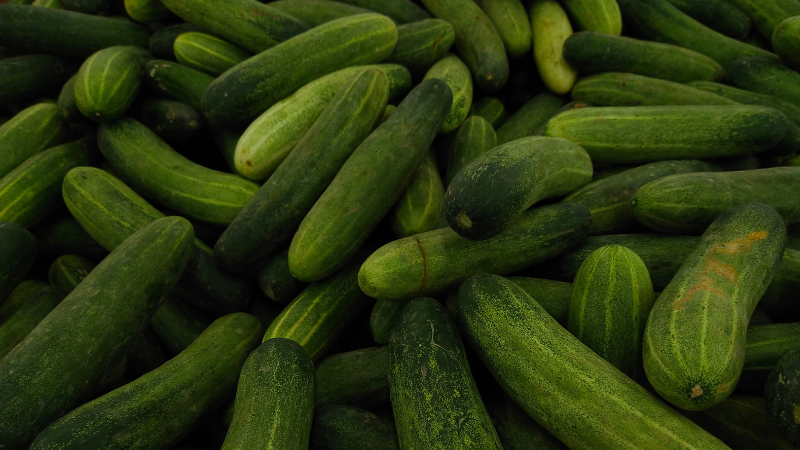
14. Cucumbers
Cucumbers can be ready to pick in about 50 to 70 days, depending on the variety. They require warm weather and consistent moisture for rapid growth. Cucumbers are climbers, so provide a trellis or support to save space and encourage healthy growth.
Plant seeds in nutrient-rich, well-drained soil after the last frost. Cucumbers are refreshing in salads, pickled, or eaten fresh.
15. Peas
Peas are one of the first crops that can be planted in early spring, ready to harvest in about 60 days. They prefer cooler weather and can be grown on trellises to maximize garden space. Plant pea seeds directly into moist, fertile soil.
Harvest peas regularly to encourage more pods to develop. They can be eaten fresh, steamed, or added to dishes for a sweet, crunchy texture.
These fifteen fast-growing vegetables are ideal for gardeners looking to reap quick rewards from their labor. With careful planning and regular care, you can enjoy fresh, healthy produce in no time, making the most of your garden space throughout the season.