Why Rose of Sharon Bloomed in a Different Color

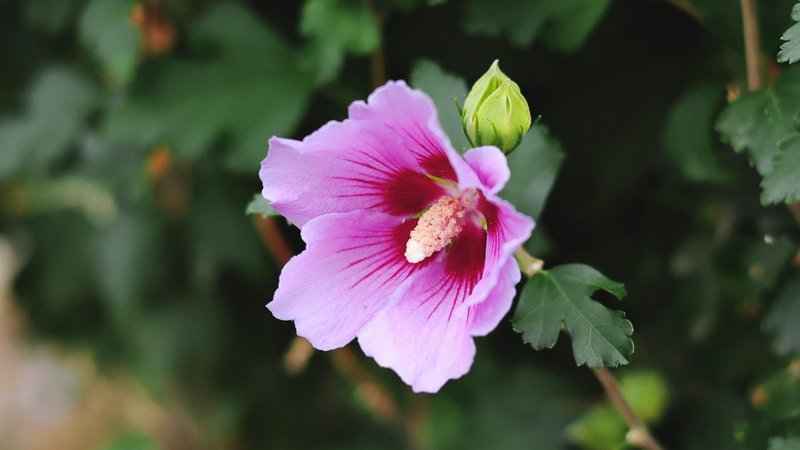
If you have ever stepped outside to find your Rose of Sharon different color than what you planted, you are not alone. This beloved flowering shrub is known for surprising gardeners with unexpected blooms, ranging from soft lavender to deep magenta, pure white, or even bicolor combinations. Understanding why this happens can transform a confusing moment into a rewarding learning experience.
Several factors work together — or against each other — to determine the final color of each bloom. From soil chemistry and sunlight exposure to genetic instability and propagation methods, the story behind a color change is rarely simple. This guide walks you through every major cause so you can diagnose your plant and make smarter decisions going forward.
Understanding Rose of Sharon Color Variations
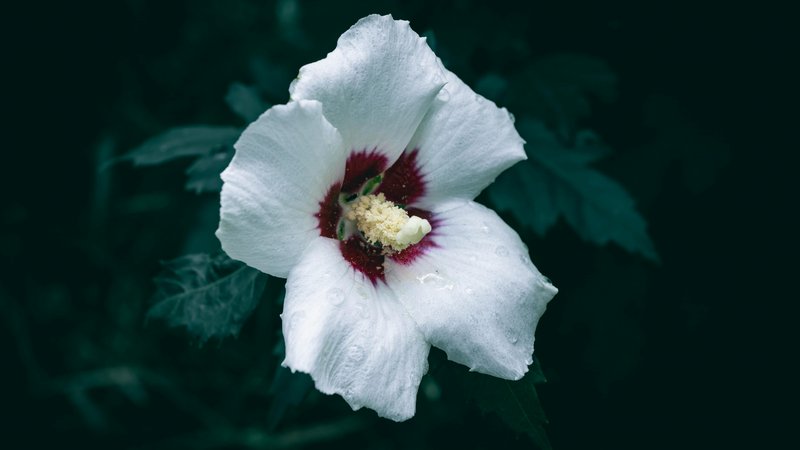
Rose of Sharon (Hibiscus syriacus) naturally produces flowers in a wide spectrum of colors, including white, pink, purple, red, lavender, and blue. Color variation is one of the most defining and celebrated traits of this species. Even within a single cultivar, subtle differences in hue from plant to plant are completely normal.
These variations are not always a sign of a problem. In many cases, they reflect the plant’s natural genetic diversity and adaptability to its environment.
Genetic Factors Behind Unexpected Bloom Colors
Genetics is the most fundamental driver of bloom color in Rose of Sharon. When plants are grown from seed rather than cuttings, the offspring can inherit a completely different combination of color genes from their parent plants.
Seedlings from a pink-flowering parent can produce white, lavender, or even red blooms depending on the genetic makeup of the pollen donor. This is why seed-grown plants are considered color-unpredictable.
Environmental Influences on Flower Pigmentation
Beyond genetics, the environment plays a powerful role in how pigments are expressed. Temperature swings, humidity levels, and water availability can all shift the intensity or tone of a bloom’s color.
A plant that blooms pale pink during a cool, wet season may produce deeper rose-colored flowers during a hotter, drier period. Environmental stress often intensifies or mutes anthocyanin pigments, which are responsible for red, purple, and blue tones in flowers.
Soil pH and Its Impact on Bloom Hues
Soil pH directly affects how plants absorb minerals, and those minerals influence pigment production. Acidic soils tend to enhance blue and purple tones, while alkaline soils can shift colors toward pink or red.
Testing your soil pH and adjusting it to a slightly acidic range of 6.0 to 6.5 is one of the most effective ways to stabilize bloom color. Simple soil test kits are widely available and easy to use at home.
Sunlight Exposure and Color Intensity
The amount of direct sunlight a Rose of Sharon receives each day has a measurable effect on bloom color intensity. Plants grown in full sun typically produce more vibrant, saturated colors than those grown in partial shade.
Shaded plants may produce washed-out or paler versions of their expected bloom color. Aim for at least six hours of direct sunlight daily to support strong pigment development.
Nutrient Deficiencies Affecting Flower Color
A lack of key nutrients can visibly alter how flowers look when they open. Iron, magnesium, and phosphorus deficiencies are among the most common culprits behind faded or off-color blooms.
Iron chlorosis, for example, causes yellowing of leaves and can indirectly weaken the plant’s ability to produce rich flower pigments. A balanced slow-release fertilizer applied in early spring supports consistent and vibrant bloom color throughout the season.
Cultivar Selection and Color Stability
Not all Rose of Sharon cultivars offer the same level of color stability. Some modern named varieties have been bred specifically for consistent, true-to-type color expression across multiple seasons.
Older or unnamed varieties are far more likely to produce color variation, especially when grown near other flowering hibiscus plants that can cross-pollinate. Choosing a named, vegetatively propagated cultivar is the most reliable way to get the exact color you want. You can explore beautiful variety options through resources like this plant photo for visual reference.
Companion Planting for Enhanced Color Combinations
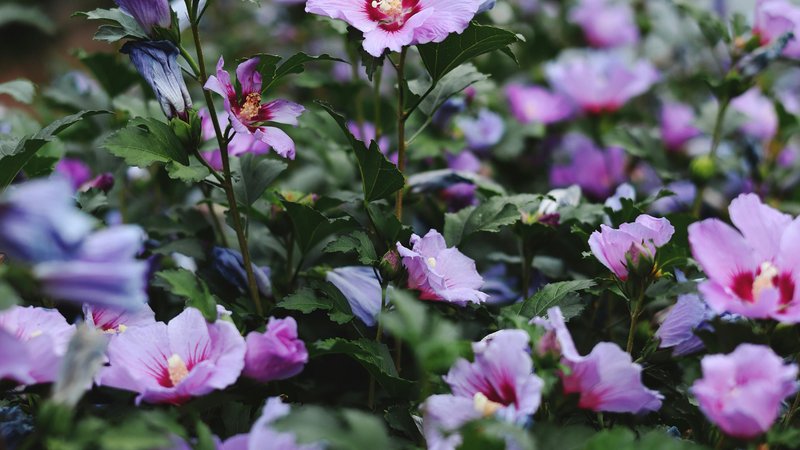
Even when your Rose of Sharon surprises you with a different color, that unexpected hue can become a design opportunity. Strategic companion planting can turn any color variation into a stunning garden feature.
Consider planting rose of Sharon in a hedge or border with evergreen or flowering shrubs that bloom at various times. That way, you will have glorious color all season long, regardless of what shade your blooms turn out to be.
For those who love curating beautiful plant combinations, it helps to think in terms of color palettes. Color palette guides can inspire fresh combinations that make a real visual impact in your garden space.
If you are working with a smaller outdoor space, pairing Rose of Sharon with compact companions is a smart approach. Check out these courtyard garden ideas for clever planting layouts that maximize color impact.
Seasonal Timing and Color Development
The timing of when blooms open relative to seasonal temperatures can affect their final color. Early-season blooms that open during cooler weather often display different color intensity than those that open during peak summer heat.
Flowers that open during extreme heat may fade faster or display a washed-out version of their true color. This is especially noticeable in varieties with deep purple or blue tones, which are more temperature-sensitive.
Stress Responses in Rose of Sharon Plants
Plants under stress — whether from drought, waterlogging, transplant shock, or root damage — often redirect energy away from flower development. This can result in smaller, paler, or oddly colored blooms.
If your plant recently experienced a major disruption such as heavy pruning or relocation, give it a full growing season to recover before drawing conclusions about its bloom color. Consistent watering and minimal root disturbance are key to stable, healthy flowering.
Propagation Methods and Color Consistency
How a Rose of Sharon is propagated has a direct and significant impact on color consistency. Vegetative propagation methods — such as softwood cuttings or layering — produce clones of the parent plant, ensuring identical color.
Seed propagation, on the other hand, introduces genetic recombination with every new plant. If color consistency matters to you, always source plants propagated from cuttings rather than grown from seed.
Regional Growing Conditions and Color Expression
The climate and growing conditions of your specific region can influence how a cultivar’s color is expressed. A variety that produces deep violet blooms in a mild coastal climate may appear lighter purple or even pinkish in a hot, dry inland region.
This is because temperature, humidity, and UV intensity all interact with the plant’s pigment chemistry. Regional adaptation is a real phenomenon, and color descriptions on plant tags are typically based on ideal growing conditions.
Disease and Pest Effects on Bloom Appearance
Certain diseases and pest infestations can alter the appearance of Rose of Sharon blooms. Viral infections in particular are known to cause color breaking — a phenomenon where streaks or patches of a different color appear within the petals.
Aphid infestations can transmit viruses that disrupt normal pigment production. Inspecting your plant regularly for pests and removing infected growth promptly helps protect bloom color integrity. For broader pest management strategies, explore tips on preventing garden pests.
Variegated and Bicolor Variety Characteristics
Some Rose of Sharon varieties are intentionally bred to display two or more colors within a single bloom. These bicolor and variegated types often feature a contrasting eye at the center or petals edged in a different shade.
If your plant was sold as a single-color variety but is producing bicolor blooms, it may have been mislabeled or cross-pollinated in the nursery. Bicolor traits can also emerge spontaneously through natural genetic mutation in otherwise stable cultivars.
Optimizing Growing Conditions for True-to-Type Colors
Getting the truest, most vibrant version of your Rose of Sharon’s color comes down to optimizing every aspect of its growing environment. Start with well-draining, slightly acidic soil and ensure the plant receives full sun for the majority of the day.
Feed consistently with a balanced fertilizer, water deeply but infrequently, and avoid stressing the plant with unnecessary pruning during the growing season. When all conditions align, the result is bold, consistent, and breathtaking bloom color season after season.
Color surprises in the garden are not always unwelcome — sometimes they lead to the most beautiful discoveries. Whether you embrace the unexpected hue or work to restore your plant’s original color, understanding the science behind it puts you firmly in control of your garden’s visual story.