Small Veggie Garden Ideas

Creating a small vegetable garden can be a delightful and productive endeavor, even if you’re working with limited space. Whether you have a tiny backyard, a balcony, or only a windowsill, there are numerous ways to grow your own vegetables.
This article will explore eleven creative ideas for small vegetable gardens, each designed to make the most of the space you have while still yielding a bountiful harvest. These ideas are perfect for urban dwellers, those with small outdoor areas, or anyone looking to start small.
In today’s fast-paced urban environments, growing your own food can provide a sense of connection to nature, an understanding of what it takes to produce food, and the satisfaction of eating something you’ve grown yourself.
Each of these garden ideas is tailored to fit into small spaces but doesn’t compromise on productivity. From vertical gardens to container gardening, you’ll find an approach that suits your living situation and your gardening aspirations.
1. Vertical Vegetable Garden
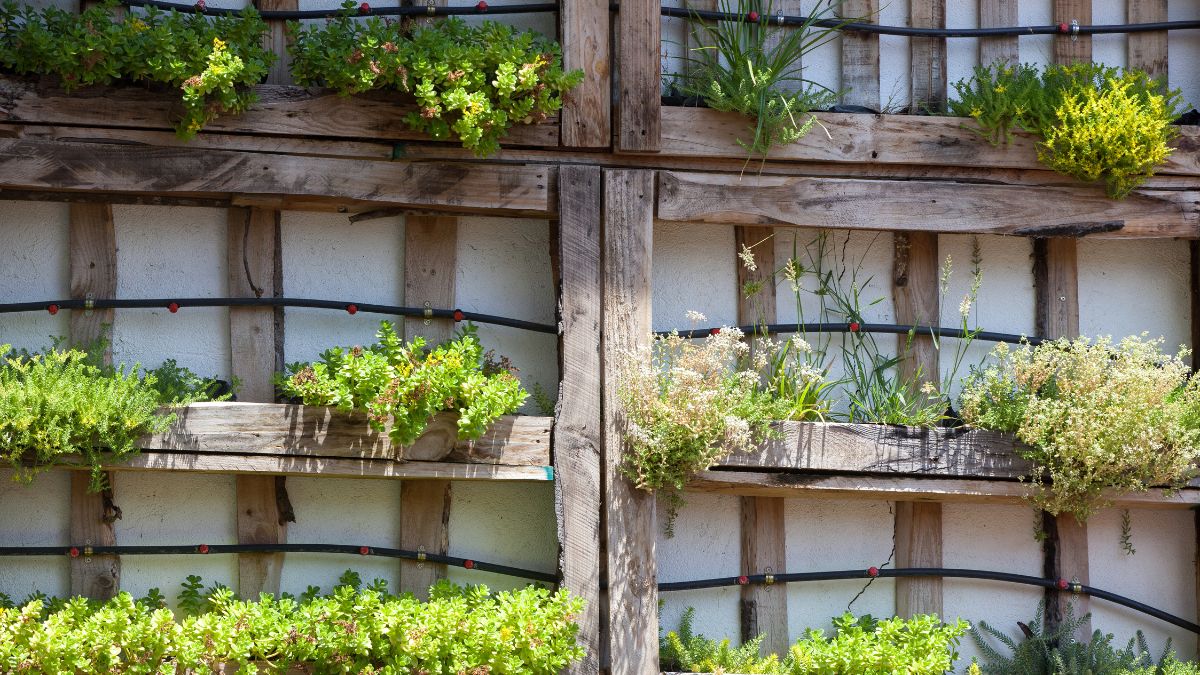
A vertical garden is an excellent solution for small-space dwellers looking to grow their own vegetables. By using trellises, wall planters, or stacking containers, you can take advantage of vertical space along fences, walls, or balconies. This method is particularly effective for climbing plants like tomatoes, peas, and beans, as well as for hanging vegetables like strawberries and herbs.
To create a vertical garden, choose structures that can support the weight of soil and plants. Utilize vertical paneling with pockets or attach pots and planters to a wall or fence. Ensure there is enough sun exposure for the types of vegetables you want to grow, and consider using a drip irrigation system to simplify watering and ensure even moisture distribution.
This approach not only saves space but also can add a green, lush element to your urban environment. It’s also easier to maintain than traditional garden beds, as it reduces the need for bending and stooping, and can help keep pests at bay.
2. Container Gardening
Container gardening is one of the most versatile and accessible ways to grow vegetables. Almost any vegetable that can grow in a traditional garden can be grown in a container, provided you choose the right size and care for it properly. This method is ideal for renters or individuals with very limited space, such as a balcony or small patio.
Use a variety of containers, including pots, grow bags, and even recycled materials like buckets or wooden crates. Make sure each container has good drainage and use high-quality potting mix to ensure your vegetables receive the right nutrients. Container gardens are portable, allowing you to move plants to capture the best sunlight throughout the day or to protect them from adverse weather.
Tomatoes, peppers, radishes, and lettuce are particularly well-suited for container gardening. You can also grow herbs alongside these vegetables to maximize your use of space and add fresh flavors to your kitchen.
3. Raised Beds
Raised bed gardening is a great choice for small gardens as it allows for better soil control, improved drainage, and easier maintenance. By raising the soil level, you can grow a variety of vegetables even in areas with poor native soil. Raised beds can be built to any size to fit your available space and can be made from wood, metal, or even recycled materials like old bricks or cinder blocks.
Fill your raised beds with a mixture of garden soil, compost, and other organic matter to create a rich, fertile environment for your vegetables. You can grow nearly any vegetable in raised beds, and they are particularly good for root vegetables like carrots and potatoes, which benefit from the loose, deep soil to develop freely.
Space your plants closely to maximize use in a small area but ensure each plant has enough room to grow and access nutrients. Raised beds also make it easier to install a square foot gardening grid to organize space and crop rotation.
4. Hanging Baskets
Hanging baskets aren’t just for flowers; they’re also a fantastic way to grow vegetables vertically. This option is especially suitable for trailing varieties of tomatoes, beans, or even compact herbs. Hanging baskets can be suspended from porches, beams, or tree branches, making use of overhead space that would otherwise go unused.
Choose baskets that are large enough to accommodate the root systems of your chosen vegetables. Use a lightweight, moisture-retentive potting mix to ensure that your plants stay hydrated and healthy. Water frequently, as hanging baskets can dry out quickly, especially in warm weather.
5. Window Boxes
Window boxes provide a simple solution for growing vegetables in very limited spaces, such as apartments without balconies. They can be used to grow a range of smaller vegetables and herbs, including lettuce, radishes, and chives. Window boxes need to be securely mounted and should have adequate drainage to prevent root rot.
Ensure that your window boxes are placed where they will receive sufficient sunlight, ideally a south-facing window if in the Northern Hemisphere. Regular watering and fertilization will be necessary due to the limited soil volume, which can dry out and deplete nutrients quickly.
6. Pallet Gardens
Pallet gardens are a trendy and eco-friendly way to create a vegetable garden with minimal space. By standing a wooden pallet upright or laying it flat, you can fill the slats with soil and plant a variety of vegetables and herbs in the available slots. This method is particularly effective for lettuce, herbs, and other small, shallow-rooted plants.
When setting up a pallet garden, ensure the wood is not treated with chemicals that could leach into the soil. Line the pallet with landscape fabric to hold the soil in while allowing for water drainage. Pallet gardens are not only space-efficient but also portable, allowing you to move them as needed to optimize sunlight exposure.
7. Balcony Rail Planters
For those with balconies, utilizing the railing is an innovative way to expand your growing space. Balcony rail planters can be secured directly onto the rails, providing a convenient place to grow vegetables and herbs without taking up floor space. This option is excellent for herbs, lettuce, and compact vegetable varieties like cherry tomatoes or peppers.
Choose planters that fit securely on your balcony railing and have drainage holes to prevent water accumulation. Since these planters will be exposed to the elements, choose materials that are durable and weather-resistant. Regular watering will be essential, as the soil in rail planters can dry out quickly.
8. Herb Ladders
Herb ladders are a charming and practical way to grow a selection of herbs in a confined area. This method involves a tiered ladder-like structure with small planters at each step. It’s particularly suited for kitchen gardens where fresh herbs are frequently used in cooking.
Position your herb ladder in a sunny spot, ideally near your kitchen for easy access. You can grow a variety of herbs, from basil and cilantro to thyme and parsley. Each tier can be used for different herbs, allowing you to organize them by water and sunlight needs. Herb ladders not only save space but also add a decorative element to your garden area.
9. Tabletop Gardens
Tabletop gardens are perfect for growing small vegetables and herbs right on your patio table or any flat surface. Use shallow containers or modular planters that can be placed on tabletops, making them easy to access and maintain. This method is ideal for culinary herbs, edible flowers, and small leafy greens like spinach and lettuce.
Ensure your tabletop garden is positioned in a spot that receives adequate sunlight. The convenience of having your vegetables at arm’s reach encourages regular maintenance and harvesting, making this an enjoyable as well as a productive gardening method.
10. Succession Planting
Succession planting involves timing your crops to maximize yield in a small space throughout the growing season. By planting a new crop immediately after one has been harvested, you can ensure a continuous supply of vegetables. This method is excellent for fast-growing crops like radishes, lettuce, and spinach.
Plan your garden layout and timing carefully to make the most of your space and the growing season. Succession planting not only increases productivity but also helps maintain soil health by varying the plant types and their nutrient demands.
11. Interplanting
Interplanting, or companion planting, involves growing two or more types of vegetables together in the same space. This can enhance the productivity of a small garden by allowing more plants to be grown in the same area. For example, planting tall, sun-loving tomatoes alongside shade-tolerant spinach can maximize the use of space and light.
This method can also help reduce pests and diseases, as some plants naturally repel insects or improve soil health, benefiting their neighbors. Careful planning is required to ensure that each plant’s needs are met without competition for resources like light, water, and nutrients.
Each of these eleven small veggie garden ideas offers a unique solution for growing vegetables in limited spaces. By choosing the right method for your environment and needs, you can enjoy the freshness and satisfaction of home-grown produce, even in the smallest of gardens.