Can You Put Eggshells in Compost? Complete Guide

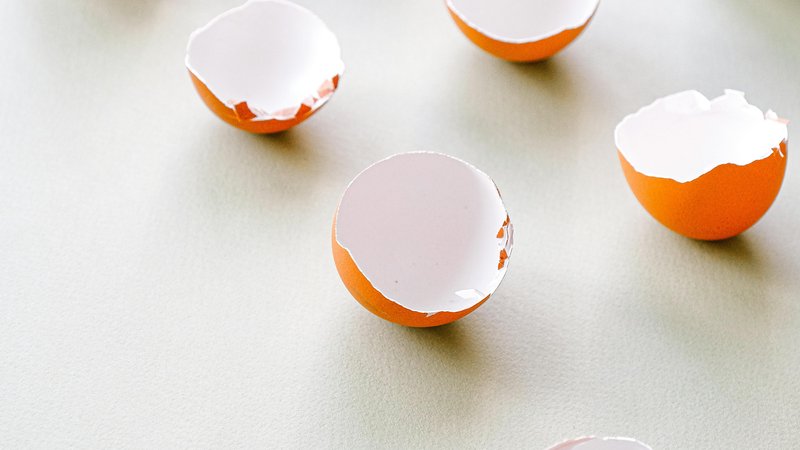
If you’ve ever wondered whether can you put eggshells in compost, the short answer is a resounding yes. Eggshells are one of the most overlooked yet genuinely valuable additions to any home compost system, offering a steady supply of calcium and other trace minerals that your soil and plants will love. Understanding how to use them correctly, however, makes all the difference between a minor boost and a meaningful improvement to your compost pile.
From backyard bins to indoor worm farms, eggshells fit naturally into nearly every composting method. This guide walks you through everything you need to know — from safety considerations and preparation techniques to how eggshells interact with soil pH and specific plant types. Whether you’re a seasoned composter or just getting started, there’s something here to sharpen your approach and get more out of every shell you’d otherwise throw away. If you’re exploring zero-waste gardening, eggshells are a perfect starting point.
Safety and Pathogen Concerns in Composting Eggshells
Raw eggshells can carry traces of Salmonella bacteria, which makes basic hygiene a reasonable concern. Safe handling guidelines from the USDA recommend treating raw egg materials carefully to avoid cross-contamination.
The good news is that a properly managed hot compost pile reaches temperatures high enough to neutralize most pathogens. Rinsing shells before composting and allowing the pile to heat adequately are the two most important safety steps.
Preventing Salmonella starts with simple habits like washing your hands after handling raw shells. Cold compost bins and worm bins don’t reach pathogen-killing temperatures, so rinsing shells thoroughly before adding them is especially important in those systems.
Nutritional Benefits and Calcium Content
Eggshells are composed of roughly 94% calcium carbonate, making them one of the most calcium-dense organic materials available in a typical kitchen. Calcium is essential for cell wall development in plants and plays a direct role in preventing nutrient deficiencies.
Beyond calcium, eggshells also contain small amounts of magnesium, phosphorus, and potassium. These trace minerals contribute to a more balanced finished compost over time.
The calcium released from composted eggshells becomes gradually available to plant roots as the shells break down. This slow-release nature makes them a gentle, long-lasting amendment rather than a quick fix.
Preparation Methods for Optimal Decomposition
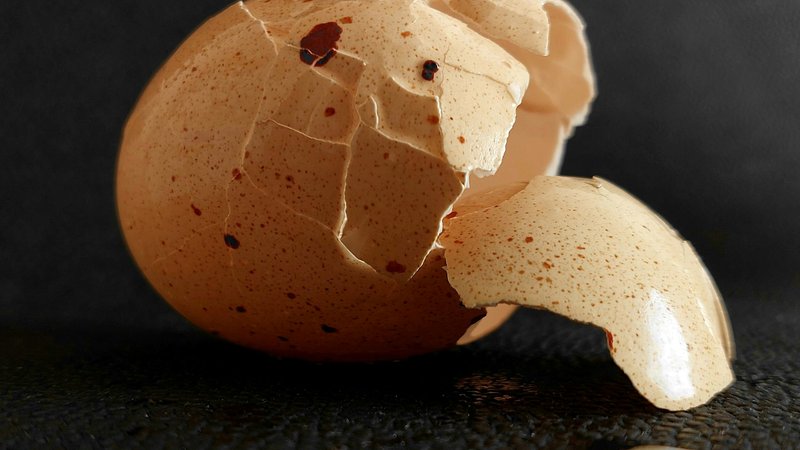
The single most effective thing you can do before composting eggshells is to crush or grind them. Smaller particles dramatically increase surface area, allowing microbes and moisture to break down the shell far more quickly.
A simple mortar and pestle, a blender, or even a rolling pin works well for home preparation. Some gardeners spread shells on a baking sheet and dry them in a low oven before grinding to make the process easier.
Rinsing shells to remove egg white residue is also worthwhile. Dried egg white can attract pests and create unpleasant odors in your bin.
Decomposition Timeline and Particle Size Considerations
Whole eggshells can take years to fully decompose, even in an active compost pile. This is why particle size is arguably the most critical variable in eggshell composting.
Finely ground eggshell powder can begin releasing calcium into the compost within a single composting cycle. Coarsely crushed shells may still be visible after a year, though they continue to break down slowly.
If you find whole or large shell fragments in finished compost, simply sift them out and return them to your next batch. Nothing is wasted, and they’ll continue breaking down with more time.
Eggshell Composting in Worm Bins and Vermicomposting
Egg shells are a great addition to worm bins, serving a dual purpose that many vermicomposters overlook. Crushed shells help regulate pH levels inside the bin, preventing it from becoming too acidic for worms to thrive.
Worms also use tiny grit particles to aid their digestion, much like birds use gravel. Finely crushed eggshells act as a natural digestive grit that improves worm health and processing efficiency.
Add shells in small, regular amounts rather than dumping a large batch at once. Moderation keeps the bin’s chemistry stable and prevents any sudden shifts in pH.
Liquid Calcium Extraction from Eggshells
Beyond solid composting, eggshells can be used to create a liquid calcium supplement for plants. Soaking crushed shells in water or diluted vinegar draws out soluble calcium that plants can absorb quickly through their roots.
Advanced extraction methods have also been studied scientifically. Research methods including electric discharge-assisted mechanical milling and high-intensity pulsed electric fields have been explored to maximize calcium bioavailability from eggshells.
For home gardeners, a simple eggshell tea made by soaking crushed shells overnight in water is a practical and cost-free option. Strain the liquid and apply it directly to soil around calcium-hungry plants.
Direct Soil Application Versus Composting Methods
You don’t have to compost eggshells before using them — they can be applied directly to garden beds as a soil amendment. Both approaches have merit, and the best choice depends on your timeline and goals.
Direct application of ground eggshells delivers calcium to the soil faster than waiting for them to break down inside a compost pile. This is especially useful when plants show signs of calcium deficiency mid-season.
Composting first, however, integrates the calcium into a richer organic matrix that improves soil structure alongside nutrient delivery. Both methods are valid, and many gardeners use a combination of the two.
Impact on Soil pH and Long-Term Effects
Calcium carbonate is mildly alkaline, so adding eggshells to compost or soil has a gentle liming effect over time. This can be beneficial in acidic soils but should be monitored in soils that are already neutral or alkaline.
Soil testing before and after regular eggshell amendments helps you understand how your pH is shifting. A simple home test kit or a professional lab analysis gives you the data you need to compost confidently.
In most home garden soils that lean acidic, regular eggshell additions will gradually move pH toward a more neutral range — a positive outcome for the majority of vegetables and herbs.
Preventing Blossom-End Rot in Vegetables
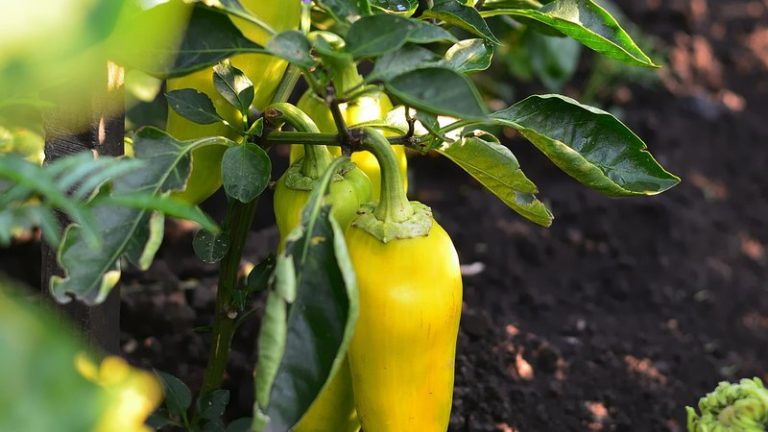
Blossom-end rot is a common frustration for tomato, pepper, and squash growers, and calcium deficiency is a key contributing factor. Blossom-end rot occurs when plants cannot transport enough calcium to developing fruit, causing the bottom of the fruit to darken and collapse.
Adding composted or ground eggshells to planting holes before transplanting is a widely used preventive strategy. Incorporating eggshells directly into the root zone gives plants early access to calcium right when they need it most.
Keep in mind that watering consistency matters just as much as calcium supply. Irregular watering disrupts calcium uptake even when soil levels are adequate, so both factors need attention together.
Eggshell Composting for Specific Plant Types
Not all plants respond equally to calcium amendments, and knowing which ones benefit most helps you target your eggshell supply effectively. Heavy-fruiting vegetables like tomatoes, peppers, eggplants, and squash are among the biggest beneficiaries.
Brassicas such as broccoli, cabbage, and kale also respond well to calcium-enriched compost. Roses and fruit trees are additional strong candidates, as calcium supports both root health and fruit quality in these plants.
Acid-loving plants like blueberries and azaleas, on the other hand, are better off without eggshell amendments. The alkaline nature of calcium carbonate can push soil pH away from the acidic range these plants prefer.
Cold Climate Composting Strategies
Composting slows significantly in cold weather, and eggshells — which already decompose slowly — can sit largely unchanged through an entire winter in an unheated outdoor bin. Planning ahead makes cold-climate composting far more productive.
Grinding eggshells to a fine powder before adding them to a cold-weather bin ensures they contribute calcium even when microbial activity is minimal. Storing a collection of dried, crushed shells indoors through winter and adding them to the pile in spring is another practical approach.
Insulating your compost bin with straw bales or burlap can help maintain some microbial activity during colder months, extending the composting season and improving overall output.
Grinding Methods Comparison and Efficiency
The method you use to grind eggshells affects both the particle size you achieve and how much effort it takes. Each approach has a different efficiency profile depending on the volume of shells you’re processing.
A blender or food processor produces the finest powder with the least manual effort and is ideal for larger batches. A mortar and pestle gives you more control over particle size but is better suited for small quantities.
For gardeners processing shells regularly, dedicating a cheap coffee grinder solely to eggshells is one of the most efficient and cost-effective solutions available. It produces a consistent fine powder in seconds.
Integration with Carbon-to-Nitrogen Ratios
A healthy compost pile depends on a balanced carbon-to-nitrogen ratio, typically around 25–30 parts carbon to 1 part nitrogen. Eggshells are considered a neutral material and don’t significantly shift this ratio in either direction.
Composting at home works best when you layer eggshells with both nitrogen-rich greens like food scraps and carbon-rich browns like dry leaves. This layering keeps the pile balanced while integrating the shells evenly.
Think of eggshells as a mineral supplement to your pile rather than a structural ingredient — they enrich the final product without disrupting the core composting chemistry.
Cost-Benefit Analysis of Preparation Time
The main investment in composting eggshells is time — specifically the time it takes to rinse, dry, and grind them before adding them to your bin. For most households, this amounts to just a few minutes per week.
Weighed against the cost of purchasing calcium amendments or lime for your garden, the value of free kitchen-sourced eggshells is considerable. A household that cooks eggs regularly can generate a meaningful supply of calcium-rich compost material at zero cost.
Approaches to composting that reduce food waste while improving soil health represent some of the best returns available in home gardening. Eggshells check both boxes effortlessly, making the small prep investment well worth the effort for any gardener serious about soil quality. If you’re building your composting setup from scratch, choosing a best compost bin suited to your space is a natural next step.