
Vegetables to Plant in August

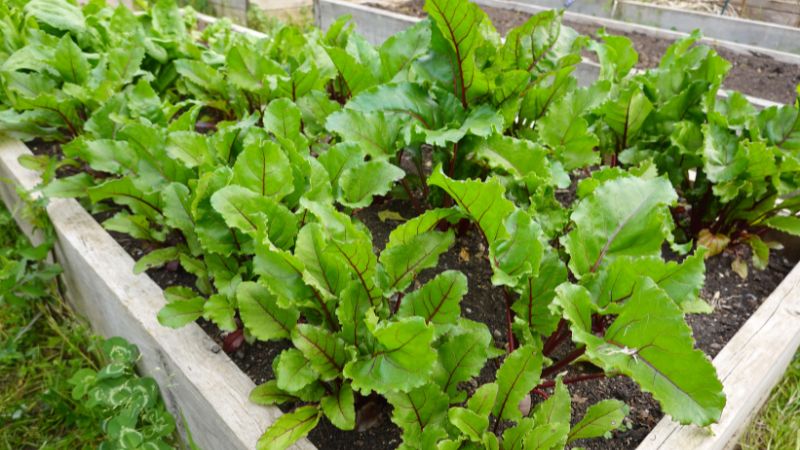
August marks a pivotal time in the gardening calendar when the late summer sun nurtures growth abundantly, presenting an opportune moment to begin planting a variety of vegetables. This period allows gardeners to maximize their yield before the first frosts of autumn. Planting in August can be particularly rewarding, as many vegetables can be harvested before winter, and others will mature to provide fresh produce early in the spring. Whether replenishing empty plots after harvesting early crops or utilizing still-warm soil temperatures, August is an ideal time to plant both quick-growing varieties and those that will overwinter.
Selecting the right vegetables to plant in August involves considering the typical first frost dates and the length of time the plants need to reach maturity. Some crops will thrive and produce a harvest before winter, while others will establish themselves to surge in growth once spring arrives. The following vegetables are ideal for sowing in August, given their ability to either mature quickly in the fall or endure winter and mature in early spring. Each variety listed below benefits from the residual warmth of summer while preparing for the cooler months ahead.
Beets
Beets are a versatile crop that can be planted in August for a late autumn harvest. They thrive in cool temperatures, making them perfect for the transitioning weather. Planting beets now ensures a rapid growth cycle, allowing them to be harvested before the soil freezes. Beets require well-drained soil rich in organic matter to develop fully.
Sow beet seeds directly into the soil about half an inch deep and one to two inches apart. They prefer a sunny spot but can tolerate partial shade, which can be beneficial as the season transitions to cooler temperatures. Keep the soil consistently moist but not waterlogged to foster uniform root development.
Thinning the seedlings once they reach a couple of inches in height is crucial to avoid overcrowding and to ensure the development of large, healthy beet roots. The thinned greens are edible and can be used in salads or as a cooked green. Continue to water and monitor soil moisture levels, especially as the weather begins to cool, to maintain optimal growing conditions.
Harvest beets when they are about the size of a golf ball or larger, depending on personal preference and variety characteristics. Gently loosen the soil around the beets to ease their removal. Regular harvesting encourages continued production and can extend the availability of fresh beets into the winter if grown under protective coverings like cloches or fleece.
Turnips
Turnips are another root vegetable that can be sown in August for a fall harvest. They grow quickly and can be ready to harvest in as little as two months. Turnips are not only grown for their roots but also for their greens, which are highly nutritious and can be cooked or eaten raw in salads.
Plant turnip seeds directly into loosened, fertile soil, sowing them half an inch deep and a few inches apart. They grow best in full sun but will also tolerate partial shade, which can be beneficial as temperatures begin to drop later in the season.
Water the plants evenly to promote steady growth and prevent the roots from becoming woody. Turnips are relatively easy to grow but should be monitored for pests such as flea beetles and aphids. Row covers can be used to protect the young plants from insect damage and from harsh weather as fall approaches.
Harvest turnips when they are tender, about the size of a tennis ball. Younger turnips are more flavorful and less woody than those left to grow too large. Regular harvesting not only provides fresh vegetables but also stimulates the plant to produce new growth, maximizing yield from each plant.
Radishes
Radishes are ideal for planting in August due to their very short growing cycle, with many varieties ready to harvest in just three to four weeks. This makes them perfect for quick cropping gaps in your garden where other crops have been harvested.
Sow radish seeds directly into the ground at a depth of about half an inch and spaced an inch apart. They prefer a sunny location and soil that is kept moist but not soggy. Radishes are an excellent choice for beginner gardeners due to their ease of growing and fast results.
Keep the area around radishes weed-free and maintain consistent soil moisture to encourage quick and uniform growth. Radishes that are not harvested promptly can become pithy and overly spicy, so regular monitoring and timely harvesting are important.
Pull radishes from the soil when they are small and tender for the best flavor and texture. They are perfect for adding a crisp, peppery element to salads and are also delicious when pickled or roasted, offering versatility in the kitchen from a single planting.
Swiss Chard
Swiss chard is a durable leafy green that can be sown in August for harvesting throughout the late autumn and winter months. Its ability to withstand colder temperatures makes it an excellent choice for extending the gardening season.
Plant Swiss chard seeds directly into the soil, spacing them about 12 inches apart to allow for their large spread. They thrive in both full sun and partial shade, which helps them transition into the cooler, shorter days of late autumn and early winter.
Water regularly to keep the soil moist, which encourages steady growth and prevents the leaves from becoming tough. Swiss chard can be harvested incrementally by picking the outer leaves, allowing the center leaves to continue growing for a prolonged yield.
As temperatures begin to fall, Swiss chard’s growth will slow but can continue to provide fresh greens if given protection from extreme cold and frost. Its vibrant stems add a burst of color to the garden and are highly nutritious, making Swiss chard both a visual and culinary benefit to the autumn garden.
Kale
Kale is a hardy vegetable that thrives in cool weather, making August an ideal time to start it for a fall and winter harvest. It can survive frosts and even tastes sweeter after exposure to cold, enhancing its flavor and texture.
Sow kale seeds in well-prepared soil, lightly covering them and spacing plants about 18 inches apart to accommodate their growth. Kale requires full sun but will benefit from some shade in warmer climates as summer transitions to fall.
Water the plants regularly to keep the soil evenly moist, especially during dry spells. As kale matures, it will need additional nutrients. Apply a balanced fertilizer mid-season to support its growth and improve leaf quality.
Harvest kale leaves from the outside, allowing the center of the plant to continue producing new growth. Young leaves are tender and great for salads, while mature leaves can be used for cooking. Kale’s robust nature makes it a staple in the winter garden, providing fresh greens long after other vegetables have been harvested.
Carrots
Carrots are a fantastic choice for an August planting. This versatile root vegetable can mature well into the fall and even tolerate frost, which can help sweeten the flavor. Carrots require deep, well-drained soil without stones to grow long and straight.
When planting carrots in August, sow the seeds directly into the ground, lightly covering them with soil. Space the seeds approximately an inch apart to reduce the need for extensive thinning later on. Carrots germinate best in cool soil, so if the weather is still hot, it may be beneficial to shade the soil to keep it cooler and retain moisture.
Water the carrot seeds gently but consistently to keep the soil moist, as dry soil can hinder germination. Once the seedlings appear, thin them to about three inches apart, which allows the roots ample space to develop to their full size. Regular watering, especially as the roots develop, is crucial to avoid tough and woody carrots.
Harvest carrots as soon as they reach the desired size. Smaller carrots tend to be sweeter and more tender. Leaving them in the ground too long can result in overly large, tough carrots. Additionally, harvesting carrots progressively can help manage the quantity and ensure a continuous supply throughout the late fall.
Spinach
Spinach is another excellent crop for late summer planting. It grows quickly and can produce a crop before the winter if planted in August. Spinach prefers cooler temperatures and can bolt if exposed to too much heat, so late summer sowing is ideal as the days start to shorten and cool.
Sow spinach seeds directly into moist soil, spacing them about an inch apart. If the weather is still warm, providing some shade can help protect the young plants from too much sun. Spinach seeds should be planted about half an inch deep, and the soil should be kept moist to promote germination.
Regular watering is necessary to keep the soil moist but not waterlogged. Spinach is prone to bolting if there is a sudden change in temperature, so consistent soil moisture can help prevent this. As the plants grow, thin them out to about 6 inches apart, which allows each plant enough space to develop fully.
Harvest spinach leaves when they are young and tender for the best flavor. You can pick leaves individually, allowing the plants to continue producing more foliage. This cut-and-come-again method extends the harvest period and increases yield from each plant.
Lettuce
Lettuce can be successfully planted in August for a fall harvest. This crop prefers cooler temperatures and can be grown in the ground or in containers, making it versatile for different garden setups. Lettuce seeds are best planted in shaded areas or during cooler times of the day to protect them from the midsummer heat.
Plant lettuce seeds by scattering them lightly across the soil surface, then covering them with a thin layer of soil or compost. Keep the soil consistently moist to encourage germination, which should occur within a week if the soil temperature is ideal.
Thin the seedlings to about 8 inches apart to ensure they have room to grow without competing for nutrients and water. Lettuce needs plenty of water to develop tender leaves, so regular watering is crucial, especially during warm spells. Mulching around the plants can help retain soil moisture and keep the roots cool.
Harvest lettuce leaves when they are large enough to use, either by picking outer leaves first or by harvesting whole heads at once, depending on the variety and your preference. Frequent harvesting encourages the plants to produce more leaves and extends the growing season.
Cabbage
Cabbage is ideal for planting in August because it benefits from growing during cooler months. It requires a longer growing period, so starting it in late summer allows it to mature before the deep freezes of late winter. Cabbage thrives in fertile, well-drained soil and appreciates steady moisture and full sunlight.
Sow cabbage seeds about half an inch deep in the soil. Space the seedlings or plants about 12 to 24 inches apart, depending on the cabbage variety, as some heads can grow quite large. Protecting seedlings from direct, intense sunlight during the hottest part of the day can prevent scorching and promote steady growth.
Keep the soil evenly moist and apply a high-nitrogen fertilizer to support leafy growth. Cabbage may attract pests like caterpillars and aphids, so regular inspections and organic pest control measures may be necessary to keep the plants healthy.
Harvest cabbage when the heads are firm and well-formed by cutting them off at the base with a sharp knife. If the weather remains mild, some varieties of cabbage can produce a second crop from the remaining stem, so consider leaving the plant in place to see if additional heads will develop.
Broccoli
Broccoli is another cool-weather crop that does well when sown in August. It has a long growing season and benefits from the cooler temperatures that come with late summer and early fall. Broccoli requires full sun and rich, fertile soil to develop its characteristic heads.
Plant broccoli seeds in well-prepared beds, spacing them about 18 inches apart to allow for their large growth. If starting seeds indoors, transplant the seedlings to the garden once they have a few true leaves and after hardening them off to outdoor conditions.
Water the broccoli plants regularly to maintain even soil moisture, which is crucial for their development. Applying a balanced fertilizer can also help promote strong growth. Keep an eye out for common pests like cabbage worms, which can be controlled organically.
Harvest broccoli when the heads are firm and tight, before the flowers start to open. Cutting the central head encourages side shoots to grow, providing additional smaller heads later in the season. This staggered harvesting method can extend the production period significantly.


