Best Drought-Tolerant Plants for Your Garden

Growing drought-tolerant plants is one of the smartest decisions any gardener can make, whether you live in a sun-baked desert climate or simply want to reduce your water bill and weekend maintenance load. These resilient plants have evolved remarkable survival strategies—deep root systems, waxy leaf coatings, and water-storing tissues—that allow them to thrive with far less irrigation than conventional garden plants. The result is a landscape that looks beautiful through summer heat waves, dry spells, and even extended periods of neglect.
The good news is that water-wise gardening no longer means sacrificing color, texture, or seasonal interest. From sweeping ornamental grasses to jewel-toned perennials and sculptural shrubs, today’s palette of low-water plants is extraordinarily diverse. Whether you are redesigning an entire lawn or simply filling a few difficult dry spots, this guide covers everything you need to select, plant, and maintain a stunning drought-tolerant garden. For broader inspiration, explore these landscaping design ideas to complement your plant choices.
Understanding Drought-Tolerant vs. Drought-Resistant Plants
The terms “drought-tolerant” and “drought-resistant” are often used interchangeably, but they describe subtly different survival strategies. Drought-tolerant plants can endure dry periods and bounce back, while drought-resistant plants are structurally built to avoid water loss in the first place.
Understanding this distinction helps you match the right plant to the right spot. A drought-resistant cactus suits a gravel garden with zero supplemental water, while a drought-tolerant perennial may still need occasional deep watering during its first season of establishment.
Both categories are far superior to thirsty conventional plants when water is scarce. The key is knowing your soil drainage, sun exposure, and local rainfall patterns before selecting species.
Top Drought-Tolerant Perennials and Annuals
Perennials are the backbone of any water-wise garden because they return year after year without replanting costs. Reliable favorites include coneflower (Echinacea), black-eyed Susan (Rudbeckia), and Russian sage, all of which tolerate dry summers with ease.
Butterfly weed (Asclepias tuberosa) is a standout native perennial that thrives in lean, dry soil and produces vivid orange blooms. It establishes slowly but becomes virtually indestructible once rooted.
For annuals, portulaca, gazania, and dusty miller all perform brilliantly in hot, dry conditions. They fill seasonal gaps with color while requiring minimal irrigation throughout the growing season.
Drought-Tolerant Shrubs and Trees for Landscape Structure
Shrubs and trees provide the architectural bones of a water-wise landscape. Species like desert willow, vitex, and smoke bush deliver dramatic seasonal interest while surviving on natural rainfall once established.
Lavender is one of the most beloved drought-tolerant shrubs in temperate gardens. It thrives in poor, well-drained soil and rewards minimal care with months of fragrant purple blooms.
For shade and structure, native oaks and mesquite trees are exceptional choices in arid regions. Their deep taproots access groundwater that shallow-rooted ornamentals cannot reach, making them genuinely self-sufficient once established.
Native Plant Species for Regional Adaptation
Native plants are the ultimate drought-tolerant choice because they have evolved specifically for your local soil, rainfall, and temperature extremes. They require no amendment, no fertilizer, and minimal supplemental water after their first season.
Arkansas bluestar (Amsonia hubrichtii) is a stunning native perennial with fine, feathery foliage that turns brilliant gold in autumn. It thrives in dry, rocky soils across the central and southeastern United States.
Matching natives to your specific region dramatically reduces establishment failure. A plant native to the Texas Hill Country will not perform the same as one native to the Pacific Northwest, even if both carry a “drought-tolerant” label.
Ornamental Grasses for Water-Wise Gardens
Ornamental grasses are among the most forgiving plants in the low-water garden. Species like blue oat grass, switchgrass, and feather reed grass add movement, texture, and year-round structure with almost no irrigation once established.
Blue fescue forms tidy silver-blue mounds that work beautifully as edging or mass plantings in dry, sunny borders. It stays attractive through winter and requires only an annual cut-back in late winter.
Grasses also provide critical wildlife habitat, offering seed heads for birds and dense clumps for overwintering insects. Pairing grasses with flowering perennials creates a layered, naturalistic look that requires almost no supplemental water after year one.
Pollinator-Friendly Drought-Tolerant Plants
Supporting pollinators and conserving water are goals that align perfectly in a drought-tolerant garden. Many of the best bee and butterfly plants are also extraordinarily drought-hardy.
Zagreb tickseed (Coreopsis verticillata ‘Zagreb’) is a prime example—it blooms for months, attracts bees and butterflies, and thrives in dry, poor soils without any supplemental feeding or irrigation.
Agastache, salvia, and catmint round out a pollinator-friendly dry garden beautifully. These plants bloom prolifically in heat and drought, precisely the conditions when other nectar sources fail and pollinators need them most.
Drought-Tolerant Plants for Containers and Small Spaces
Containers dry out faster than garden beds, making plant selection especially critical for pots and small patios. Fortunately, some plants are almost perfectly suited to this challenging environment.
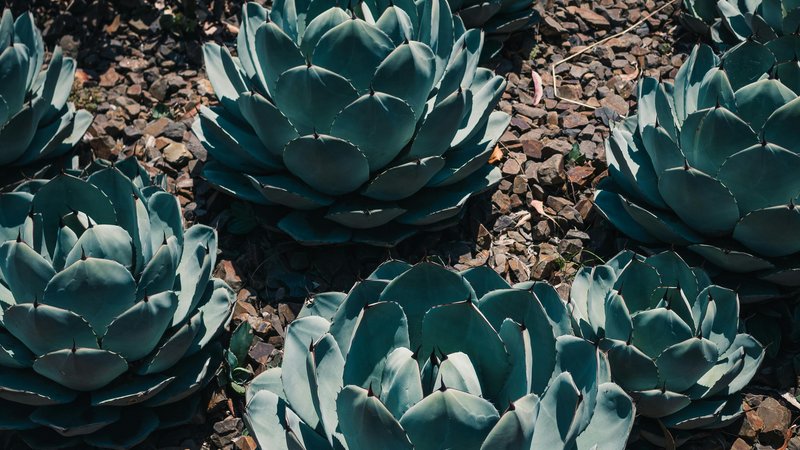
As Fine Gardening notes, plants like cacti, succulents, aloes, and sotols are amazingly tolerant of human forgetfulness, hot baking sites, and even outright abuse—so they thrive where other potted plants fail.
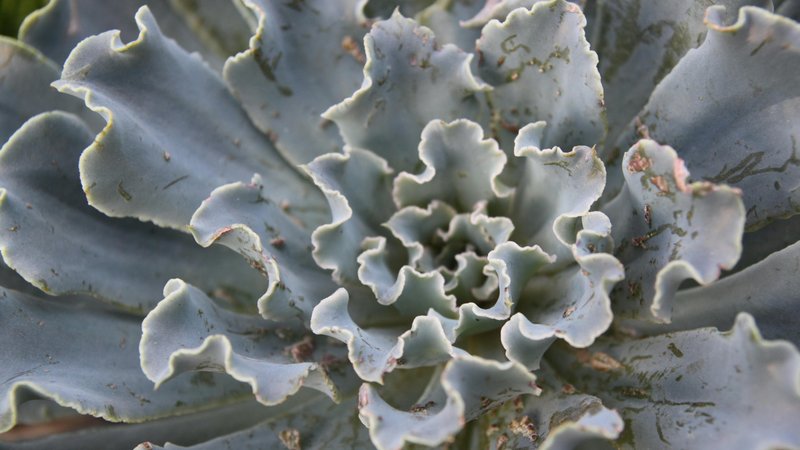
Combining different textures—a spiky agave, a trailing sedum, and a rosette-forming echeveria—creates a visually compelling container that can go weeks without water. Use a fast-draining cactus mix and terracotta pots to further reduce the risk of root rot.
Selecting Plants by Hardiness Zone and Climate
USDA hardiness zones provide a starting point for plant selection, but they only measure cold tolerance. For drought-tolerant gardening, you also need to consider summer heat, humidity levels, and annual rainfall distribution.
A plant rated for Zone 7 may fail in a Zone 7 garden that receives humid summers if it originates from a dry Mediterranean climate. Always research a plant’s native habitat, not just its zone rating.
The most reliable approach is to visit local botanical gardens and note which plants look spectacular without irrigation during dry spells. Those are the species that will work in your garden.
Soil Requirements and Growing Conditions
Most drought-tolerant plants share one non-negotiable requirement: excellent drainage. Roots sitting in waterlogged soil will rot quickly, even in plants that survive months of summer drought.
Amending heavy clay soil with coarse grit or raised planting mounds dramatically improves drainage and gives drought-tolerant species the conditions they need to thrive. Avoid over-enriching soil with compost, as many xeric plants prefer lean conditions.
A south- or west-facing slope with sandy or gravelly soil is often the ideal site for the widest range of drought-tolerant species. If your soil is heavy, raised beds offer a practical solution.
Bloom Times and Color Palettes for Year-Round Interest
A well-designed drought-tolerant garden can deliver color from early spring through late autumn by layering plants with staggered bloom times. Early bulbs like alliums give way to summer perennials, which transition into late-season grasses and seed heads.
Silver and blue foliage plants—artemisia, blue fescue, and catmint—create a cooling visual effect that also happens to signal drought adaptation. These tones pair beautifully with hot oranges and yellows from rudbeckia and helenium.
Planning a succession of bloom times ensures the garden never looks bare and provides continuous nectar for pollinators throughout the season. Sketch out a simple planting calendar before purchasing to avoid accidental gaps.
Deer-Resistant Drought-Tolerant Varieties
Many drought-tolerant plants are naturally deer-resistant because they rely on aromatic oils, spines, or bitter compounds to deter browsing. This makes them doubly valuable in rural or suburban gardens where deer pressure is high.
Lavender, salvia, yarrow, and Russian sage are all strongly deer-resistant and drought-tolerant. Their pungent foliage is unappealing to deer but irresistible to bees and butterflies. For more options, browse this list of rabbit resistant plants that often overlap with deer-resistant choices.
Agaves and cacti provide the ultimate deer deterrent through physical spines, making them ideal for garden perimeters in high-pressure areas. Pair them with softer-textured plants inside the border for a naturalistic effect.
Cost Comparison: Drought-Tolerant vs. Traditional Landscaping
The upfront cost of installing a drought-tolerant landscape is often comparable to or slightly higher than traditional plantings. However, the ongoing savings are substantial and accumulate every single season.
According to White Shovel, drought-tolerant landscaping can reduce water costs by $300–$800 per year, with savings increasing in areas with expensive water rates or drought surcharges.
Beyond water savings, low-maintenance plants also reduce fertilizer, pesticide, and labor costs over time. The return on investment for a well-designed xeriscape typically becomes positive within two to three growing seasons.
Converting Existing Lawns to Drought-Tolerant Landscapes
Lawn conversion is one of the most impactful changes a homeowner can make for water conservation. Turf grass is among the thirstiest plants in any landscape, and replacing even a portion of it delivers immediate savings.
The sheet mulching method—layering cardboard over grass and covering it with several inches of wood chip mulch—kills turf without herbicides and creates ideal planting conditions for drought-tolerant species within a single season.
Start with a small test area rather than converting the entire lawn at once. This allows you to refine your plant selection and design before committing to a full-scale transformation. For deeper guidance, visit our article on water conservation in gardening.
Companion Planting Combinations for Design Impact
Thoughtful plant combinations amplify the visual impact of a drought-tolerant garden far beyond what individual specimens can achieve alone. Contrasting textures, forms, and bloom times create dynamic, layered compositions.
Try pairing the steel-blue globes of Eryngium ‘Sapphire Blue’ with the warm gold of ‘Zagreb’ coreopsis for a striking mid-summer combination that thrives in full sun and dry soil.
The architectural form of rattlesnake master (Eryngium yuccifolium) makes a bold statement among softer prairie grasses. Its spiky, yucca-like foliage and creamy white flower heads create contrast that draws the eye across a wide planting.
Drought-Tolerant Groundcovers and Living Mulches
Groundcovers serve double duty in a water-wise garden: they suppress weeds, reduce soil moisture evaporation, and eliminate the need for mulch replacement. Many are also visually beautiful in their own right.
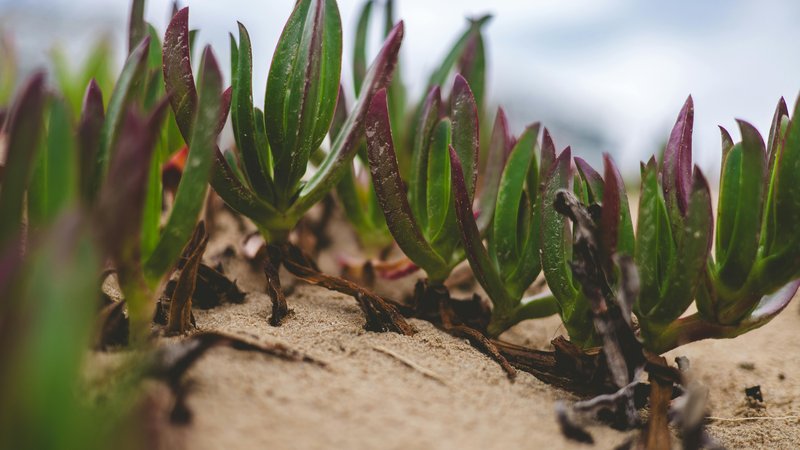
Creeping thyme, ice plant, and sedum are excellent choices for replacing grass in low-traffic areas. These plants spread naturally and require minimal maintenance once established, making them ideal living mulches.
Woolly thyme and creeping phlox tolerate light foot traffic and bloom profusely in spring, turning pathways and slopes into rivers of color. Both are virtually maintenance-free after their first growing season.
Water-Wise Irrigation Systems and Techniques
Even drought-tolerant plants need consistent moisture during their establishment period, typically the first one to two growing seasons. A smart irrigation strategy during this window dramatically improves survival rates.
Drip irrigation delivers water directly to root zones, reducing evaporation and keeping foliage dry to prevent fungal disease. Paired with a timer and moisture sensor, it automates establishment watering with minimal waste.
Deep, infrequent watering trains roots to grow downward in search of moisture, creating plants that are genuinely self-sufficient once the irrigation system is turned off. Shallow, frequent watering produces the opposite result.
Seasonal Maintenance Schedules for Minimal Care
One of the greatest appeals of a drought-tolerant garden is its low maintenance profile. Most tasks are concentrated in early spring and late autumn, leaving summer largely free of garden chores.
In spring, cut back ornamental grasses and any perennials left standing for winter wildlife interest. Apply a light top-dressing of gravel or coarse grit around plants to suppress weeds and reflect heat away from root zones.
Resist the urge to deadhead all seed heads in autumn—many provide critical winter food for birds and structural beauty through the coldest months. A selective approach to tidying preserves both aesthetics and ecology.
Hardscape Alternatives to Reduce Water Needs
Integrating hardscape elements into a drought-tolerant design reduces the total planted area that requires any irrigation, even during establishment. Gravel paths, dry-laid stone patios, and boulder groupings all contribute to a cohesive xeriscape aesthetic.
Decomposed granite is a popular hardscape material in arid gardens because it complements the natural tones of drought-tolerant foliage while allowing rainwater to percolate into the soil rather than running off.
Strategically placed boulders act as natural mulch, shading soil and slowing evaporation while creating microclimates that shelter smaller plants from desiccating winds. They also add permanent visual weight to the design.
Climate Change Adaptation Through Plant Selection
Shifting weather patterns are making drought-tolerant plant selection more relevant than ever, even in regions that historically received reliable rainfall. Gardeners across temperate climates are experiencing longer dry spells, hotter summers, and unpredictable precipitation.
Selecting plants with a wider tolerance range—those that handle both wet winters and dry summers—provides resilience against increasingly variable conditions. Species native to Mediterranean climates are particularly well-adapted to this pattern.
Building drought tolerance into your plant palette now is a form of future-proofing that will pay dividends for decades. A garden designed for today’s average conditions may struggle in the conditions of ten years from now.
Invasive Species Concerns and Safe Alternatives
Not every drought-tolerant plant is a safe choice for your region. Some highly adaptable species have become invasive in certain climates, escaping gardens and displacing native vegetation in natural areas.
English ivy, Japanese barberry, and certain ornamental grasses like pampas grass are drought-tolerant but invasive in many parts of North America. Always check your regional invasive species list before planting.
The striking Eryngium giganteum ‘Silver Ghost’ is a safe, non-invasive biennial that provides the same bold architectural impact as many invasive species without the ecological risk. Similarly, White Flower Farm offers a curated range of vetted drought-tolerant selections that are safe for most North American gardens.
For further plant identification and vetting, the Missouri Botanical Garden plant finder is an invaluable resource. Always cross-reference any new plant purchase against your state’s invasive species database before it goes in the ground.
Building a drought-tolerant garden is ultimately an investment in resilience—for your landscape, your budget, and the broader ecosystem. The plants described throughout this guide prove that water-wise gardening is not a compromise but an upgrade, delivering beauty, wildlife value, and seasonal interest with a fraction of the resources that conventional gardens demand. Start with a handful of proven performers, observe how they thrive, and expand your palette with confidence each season.