20 Vegetables That Have Shallow Roots

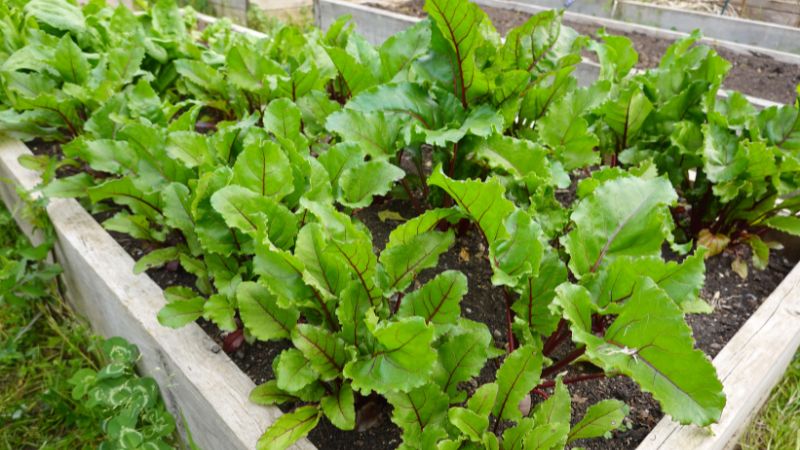
Some vegetables thrive in deep, well-draining soil, but others have shallow root systems that make them perfect for container gardening, raised beds, or areas with compact soil. These plants don’t require deep soil to flourish, allowing gardeners to maximize space and grow fresh produce even in small areas.
Understanding which vegetables have shallow roots can help you plan your garden more effectively. Whether you’re dealing with limited soil depth or simply want to optimize your planting strategy, knowing which crops fit the bill can make all the difference. Here are 20 vegetables with shallow roots that you can grow successfully in your garden.
1. Lettuce
Lettuce is one of the easiest shallow-rooted vegetables to grow. It thrives in loose, well-drained soil and needs only about 6 inches of depth to develop properly. Because of its small root system, it’s a great choice for containers and vertical gardens.
This leafy green grows best in cooler temperatures and can be harvested multiple times with the cut-and-come-again method. Watering consistently is key since its shallow roots can dry out quickly.
You can grow lettuce in garden beds, window boxes, or even hydroponic systems. To keep a continuous harvest, plant new seeds every couple of weeks.
2. Spinach
Spinach has a relatively shallow root system, making it ideal for raised beds and shallow containers. It requires only about 6 inches of soil to grow well, but it does need consistent moisture.
This leafy green is packed with nutrients and grows quickly in cool weather. Because of its shallow roots, mulching can help retain moisture and prevent the soil from drying out.
Harvest spinach by picking the outer leaves first, allowing the plant to continue growing. This method provides multiple harvests from a single plant.
3. Radishes
Radishes are quick-growing root vegetables with a shallow root system, needing about 6 to 8 inches of soil depth. They are perfect for small garden spaces and container gardening.
Because they mature in just a few weeks, radishes are a great option for succession planting. They prefer loose, well-draining soil to allow their roots to expand properly.
To avoid overly spicy radishes, keep them well-watered and harvest them as soon as they reach the right size.
4. Green Onions
Green onions, also called scallions, have very shallow roots and grow well in as little as 4 to 6 inches of soil. They’re an excellent option for growing in small containers or shallow garden beds.
They thrive in full sun and moist, well-draining soil. You can even regrow green onions from kitchen scraps by placing the roots in water and transplanting them once they sprout.
Since green onions grow quickly, you can harvest them multiple times by trimming the tops and allowing the plant to continue growing.
5. Kale
Kale is a hardy leafy green that grows well in shallow soil, requiring only about 6 to 8 inches of depth. While its roots aren’t deep, it’s a heavy feeder and benefits from nutrient-rich soil.
Mulching around the base of kale plants helps retain moisture and regulate soil temperature. Because of its shallow roots, it should be watered consistently to prevent stress.
Kale can be harvested leaf by leaf, making it a great long-term crop. If protected from frost, some varieties can even survive through winter.
6. Swiss Chard
Swiss chard has a shallow root system and does well in container gardens or raised beds with about 6 to 8 inches of soil. It’s a versatile vegetable that grows well in various conditions.
This leafy green is known for its colorful stems and large, nutritious leaves. Keeping the soil consistently moist ensures steady growth.
Harvest the outer leaves while allowing the center of the plant to continue producing new growth. With proper care, Swiss chard can provide fresh greens for months.
7. Bok Choy
Bok choy, or Chinese cabbage, grows well in shallow soil, needing just 6 inches of depth. It’s a great vegetable for compact gardens and container growing.
This cool-season crop prefers partial shade and regular watering. Since its shallow roots dry out quickly, keeping the soil moist is crucial for healthy growth.
Harvest baby bok choy for tender greens or wait for the full-size heads to develop. Either way, it’s a fast-growing vegetable that thrives in small spaces.
8. Carrots (Short Varieties)
While full-sized carrots require deeper soil, shorter varieties like Parisian and Thumbelina carrots have shallow root systems. These varieties grow well in soil as shallow as 6 to 8 inches.
Loose, well-draining soil helps prevent stunted growth. If growing in compact soil, consider raised beds or deep containers to give them enough room to expand.
Watering consistently and thinning seedlings helps prevent overcrowding, ensuring proper root development.
9. Beets
Beets have relatively shallow roots compared to other root vegetables, typically requiring around 8 inches of soil. They grow well in containers and raised beds.
These nutrient-packed vegetables thrive in loose, well-draining soil. They need consistent watering to develop tender roots.
Harvest beets when they reach about 2 inches in diameter for the best flavor. The greens are also edible and can be used in salads or sautéed.
10. Arugula
Arugula is a fast-growing leafy green with shallow roots, needing only about 6 inches of soil. It’s an excellent choice for container gardening.
This peppery green prefers cooler temperatures and partial shade. Since its roots are shallow, it benefits from frequent watering.
Harvest leaves as needed, allowing the plant to continue producing new growth. Succession planting ensures a steady supply.
11. Mustard Greens
Mustard greens have a shallow root system and thrive in as little as 6 inches of soil. They grow quickly and can be harvested multiple times.
These greens prefer full sun to partial shade and need regular watering to keep their leaves tender.
Pick leaves while they’re young for the best flavor. Older leaves tend to develop a stronger, spicier taste.
12. Celery
Celery has shallow roots and grows best in consistently moist soil. It requires around 8 inches of depth to establish properly.
Since it needs a lot of water, mulching around the base can help retain moisture.
Celery takes longer to mature but can be harvested by cutting stalks as needed, allowing the plant to keep producing.
13. Peppers
Peppers, including bell and chili peppers, have relatively shallow roots, requiring around 8 inches of soil depth. They thrive in containers and raised beds.
These plants prefer warm temperatures and well-drained soil. Consistent watering is essential for healthy fruit production.
Providing support, such as stakes or cages, helps prevent branches from breaking under the weight of the fruit.
14. Cabbage
Cabbage has a shallow but spreading root system, making it ideal for container growing or raised beds. It needs around 6 to 8 inches of soil depth.
This cool-season crop benefits from regular watering and nutrient-rich soil.
Harvest when the heads are firm for the best taste. Leaving a bit of the stem in the ground may produce smaller secondary heads.
15. Parsley
Parsley grows well in shallow soil, requiring only 6 inches of depth. It’s an easy herb to grow in containers or garden beds.
This biennial herb prefers consistent moisture and partial shade in hotter climates.
Harvest parsley by trimming the outer stems, allowing the plant to continue producing fresh growth.
16. Basil
Basil has a shallow root system, making it perfect for small containers and raised beds. It needs about 6 inches of soil depth to grow well.
This fragrant herb thrives in warm temperatures and well-draining soil. Regular pruning encourages bushier growth and prevents flowering.
Harvest basil leaves frequently to keep the plant producing. Pinching off flowers helps maintain flavor and prolongs the growing season.
17. Dill
Dill has a shallow root system that makes it suitable for container gardening. It requires about 6 to 8 inches of soil depth to establish properly.
This feathery herb prefers full sun and well-drained soil. Regular watering helps keep it from drying out, especially in hot weather.
Harvest dill leaves before the plant flowers for the best flavor. The seeds can also be collected and used as a spice.
18. Turnips
Turnips, especially smaller varieties, have shallow roots and require only 6 to 8 inches of soil depth. They grow well in loose, well-draining soil.
These root vegetables develop quickly and can be harvested in just a few weeks. Keeping the soil consistently moist helps them grow tender and flavorful.
Both the roots and the greens are edible, making turnips a versatile addition to any garden.
19. Cilantro
Cilantro has a shallow root system and thrives in as little as 6 inches of soil. It’s an excellent herb for container gardens and raised beds.
This cool-season herb grows best in partial shade with regular watering. Because its roots are delicate, it should not be transplanted frequently.
Harvest leaves as needed, but avoid cutting too much at once to keep the plant healthy and productive.
20. Endive
Endive has shallow roots and grows well in small garden spaces, requiring around 6 to 8 inches of soil depth. It’s a great choice for container gardening.
This leafy green prefers cooler temperatures and needs consistent moisture to prevent bitterness. Mulching can help retain soil moisture.
Harvest young leaves for the best flavor, or let them grow larger for use in salads and cooked dishes.