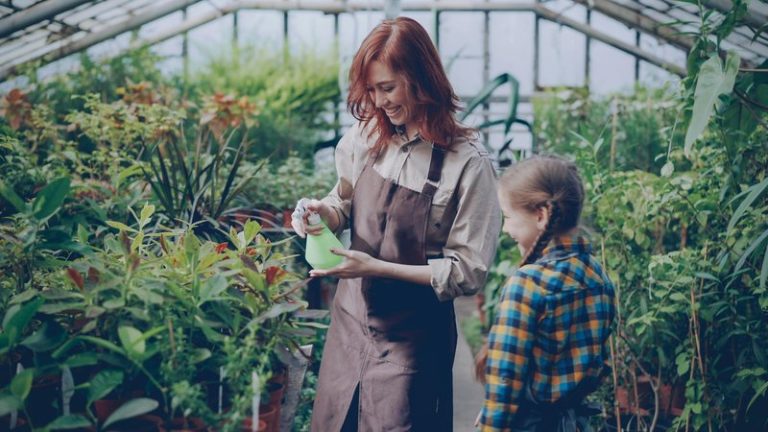
DIY Greenhouse Projects: Create Your Dream Garden Year-Round


Building a greenhouse is a dream for many gardening enthusiasts, allowing you to extend the growing season, protect plants from harsh weather, and cultivate exotic species. The good news? You don’t need to spend a fortune on a professional structure. DIY greenhouse projects can be affordable, customizable, and a deeply rewarding way to enhance your gardening experience.
Whether you’re working with a large backyard or a small patio, there’s a DIY greenhouse design for every space and skill level. From upcycling old materials to creating elaborate structures, the possibilities are endless. In this article, we’ll explore the best ideas, materials, and steps to create your perfect greenhouse.
Choosing the Right DIY Greenhouse Design

When starting your greenhouse journey, the first step is to choose a design that suits your needs, space, and budget. There are various types of greenhouses, such as lean-to, hoop houses, and cold frames, each serving a different purpose.
For beginners, a simple cold frame made from scrap wood and old windows can be an excellent introduction. It’s small, manageable, and perfect for growing herbs, lettuce, or seedlings. On the other hand, hoop houses are larger and made using flexible PVC pipes covered with plastic sheeting. These are ideal for gardeners who want to protect their crops from frost or extend their growing season.
If you’re looking for a permanent solution, consider building a lean-to greenhouse that attaches to the side of your home or shed. This type provides easy access to electricity and water while saving space. With these options, you can start small and scale up as your confidence grows.
Materials for DIY Greenhouses

The materials you choose for your greenhouse will depend on your design and budget. Commonly used materials include wood, PVC, metal, and recycled items. The choice of covering material, such as plastic sheeting, polycarbonate panels, or glass, is equally crucial for regulating light and temperature.
Wood is an excellent choice for frames, offering durability and natural aesthetics. It’s versatile and can be sourced from pallets or scrap lumber for an eco-friendly approach. PVC pipes are lightweight, flexible, and affordable, making them a favorite for hoop-style greenhouses. If you want a long-lasting structure, metal frames are sturdy and weather-resistant.
For the covering, plastic sheeting is the most cost-effective and easy to replace. Polycarbonate panels strike a balance between affordability and durability, while glass offers a traditional, elegant look. Choosing the right materials ensures your greenhouse lasts and performs well throughout the year.
Step-by-Step Guide to Building a Greenhouse
Creating your greenhouse can be broken down into manageable steps, ensuring you stay on track and avoid costly mistakes. The first step is to prepare your site by selecting a sunny location with good drainage. Clear the area of debris and level the ground to provide a stable foundation.
Next, build your frame according to your chosen design. Whether you’re using PVC, wood, or metal, ensure the structure is sturdy and well-secured. Install supports for the roof and walls, paying close attention to angles and measurements for stability.
Finally, attach your covering material, securing it tightly to avoid tears or heat loss. Consider adding ventilation panels or windows to regulate temperature and humidity. Once completed, you can personalize the interior with shelves, irrigation systems, and other features to maximize its functionality.
Upcycling Materials for DIY Greenhouses

One of the most creative and budget-friendly approaches to greenhouse building is upcycling old materials. Repurposing items like windows, doors, or pallets not only saves money but also gives your greenhouse a unique charm.
Old windows can be used to create a beautiful glass-paneled greenhouse. Arrange them into a frame and seal the gaps to make a weather-resistant structure. Similarly, pallets can be disassembled and rebuilt into walls or frames, offering a rustic, natural look.
Even plastic bottles can be transformed into an insulating covering. By stringing them together or attaching them to a frame, you can create a greenhouse that traps heat effectively. Upcycling reduces waste and makes your project even more rewarding.
Maintaining Your DIY Greenhouse
Regular maintenance is key to keeping your greenhouse in excellent condition and ensuring its longevity. Start with periodic inspections of the frame, covering, and foundation to spot any damage or wear. Address issues like cracks, tears, or loose fittings promptly to prevent larger problems.
Keep the interior clean by removing dead plants, algae, or debris that could harbor pests. Ventilation is essential to prevent overheating or mold growth, so ensure vents and windows operate smoothly. Regularly check your irrigation system, if installed, for leaks or clogs.
Finally, consider seasonal adjustments like adding insulation in winter or shading in summer. With proper care, your DIY greenhouse will remain a productive and enjoyable space year-round.
Maximizing Space in Small Greenhouses
For those with limited space, making the most of every inch in your greenhouse is essential. Vertical gardening techniques, such as hanging pots or installing shelves, can significantly increase your growing area without overcrowding.
Use stackable planters or tiered racks to organize plants efficiently. Consider incorporating hydroponic systems, which require minimal soil and can be wall-mounted. Mirrors or reflective materials can enhance light distribution, ensuring all plants receive adequate sunlight.
By creatively utilizing space, even the smallest greenhouse can become a lush, thriving oasis. With these techniques, you can grow more plants and achieve higher yields in a compact area.
DIY Greenhouses for Specific Plants
Different plants have unique requirements, and tailoring your greenhouse to meet their needs can boost your gardening success. For instance, tropical plants thrive in a warm, humid environment, so adding a misting system or heater might be necessary.
Vegetables like tomatoes and peppers prefer well-ventilated spaces with consistent temperatures. Incorporating raised beds or drip irrigation systems can improve growth and yield. For herbs, a smaller greenhouse with partial shade works perfectly, allowing you to cultivate fresh ingredients year-round.
Understanding your plants’ needs ensures your DIY greenhouse is more than just a structure—it becomes a tailored habitat where your greenery thrives.