
Vegetables to Plant in October

October is a pivotal month for gardeners looking to extend their growing season. As the weather cools, it’s the perfect time to plant a variety of vegetables that thrive in the brisk autumn air and even benefit from the touch of frost. By planting in October, you can ensure a late fall to early winter harvest of fresh vegetables right from your garden. This is especially beneficial for gardeners in mild climates where the growing season extends into the winter months.
For those in cooler climates, October planting can also be about setting the stage for early spring harvests. Hardy vegetables planted now can overwinter and provide an early bounty next year. It’s essential to consider your local climate and choose vegetables that can handle the cold or even improve in flavor after a frost. Here are ten vegetables ideal for planting in October, offering both practical and delicious additions to your garden.
Garlic
Garlic is a staple for fall planting, with October often being the ideal month for many regions. Planting garlic cloves now allows them to establish roots before the freeze, ready to burst into growth come spring.
Choose a sunny site with well-draining soil to avoid cloves rotting over the winter. Plant the cloves about two inches deep and spaced a few inches apart. Cover with mulch to protect against severe cold.
Garlic requires little maintenance over the winter, but ensuring that it isn’t waterlogged and providing a bit of extra insulation with straw or leaves can help it survive the coldest months.
Onions
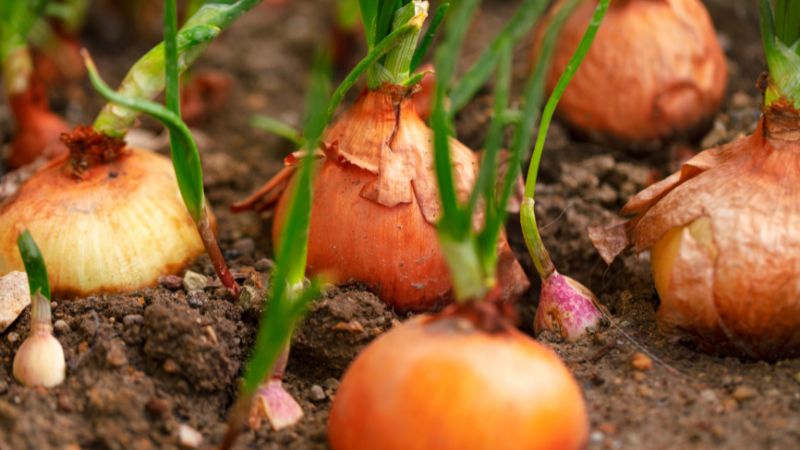
October is also an excellent time to plant overwintering onion sets. These onions will grow roots before the ground freezes and will resume growing early in the spring.
Plant onion sets in a sunny part of the garden in well-drained soil. Bury them so that just the tip is showing above the surface. Onions benefit from a light mulch to protect them from severe temperature changes.
Water newly planted onions to help establish roots, but reduce watering as the temperature drops. Overwintering onions typically require less water during the cold months unless there are extended dry periods.
Broad Beans
Broad beans can be sown in October to overwinter, providing an early crop the following spring. They are robust and can handle frost, making them ideal for winter gardening.
Plant broad bean seeds in double rows, with seeds about two inches deep and six inches apart. Choose a spot that receives ample sunlight and has well-drained soil.
Supporting the plants with stakes or a trellis can help protect them against winter winds. Covering with fleece can provide extra warmth in very cold areas.
Peas
Planting peas in October can give you a head start for an early spring harvest. Choose hardy varieties that can withstand the winter cold.
Plant seeds about an inch deep in well-drained soil and space them a couple of inches apart. Peas climb, so provide a support system like a trellis or netting from the start.
Keep the soil moist but not waterlogged. Mulching around the base of the plants can help insulate them from sudden temperature drops.
Spinach
Spinach planted in October can yield a late fall harvest and continue to produce early in the spring. It is very frost-hardy, and its flavor often improves with a touch of frost.
Choose a sunny or partially shaded area with rich, well-drained soil. Sow seeds directly into the ground and thin them as they grow to prevent overcrowding.
Water regularly to keep the soil moist, and consider using a floating row cover to protect the young plants from extreme cold and pests.
Mustard Greens
Mustard greens can be sown in October in milder climates for a winter harvest. They grow quickly and can be harvested as baby greens or allowed to mature.
Plant mustard greens in rich, moist, well-drained soil in a sunny location. They grow best when temperatures are cool but not freezing.
Keep the soil consistently moist and harvest the leaves regularly to encourage new growth. Mustard greens can tolerate frost, which can make their flavor milder and sweeter.
Swiss Chard
Swiss chard is another leafy green that can be planted in October. It is cold-tolerant and can survive light frosts, providing greens throughout the winter in milder climates.
Sow seeds directly in well-drained soil in a sunny part of the garden. Thin seedlings to about 12 inches apart to allow mature plants to develop.
Water regularly and mulch to retain soil moisture and warmth. Swiss chard can be harvested gradually by removing outer leaves, allowing the plant to continue producing.
Carrots
Carrots sown in October will grow slowly over the winter and be ready for early spring harvesting. Choose a variety that is suitable for overwintering.
Plant carrot seeds in loose, deep, and well-drained soil. Thinning the seedlings is crucial to prevent crowding and to allow the development of robust carrots.
Cover the carrot bed with a thick layer of straw or a floating row cover to protect it from freezing temperatures and to keep the ground workable.
Turnips
Turnips are fast-growing and can be harvested in late fall or early winter if planted in October. They can also be left in the ground to overwinter and be harvested in early spring.
Plant turnip seeds directly into moist, fertile, well-drained soil. Space them out according to the variety’s requirements, usually a few inches apart.
Water regularly and thin seedlings to give each plant enough room to grow. Turnips can withstand frost, and like many root vegetables, their flavor improves after a freeze.
Radicchio
Radicchio can be planted in October as it prefers cool weather and can tolerate light frosts. This chicory variety is ideal for adding color and a slightly bitter flavor to winter salads.
Sow radicchio seeds in fertile, well-drained soil in a part of the garden that receives full sun to partial shade. Keep the soil evenly moist.
Harvest radicchio when the heads are firm and well-formed. Covering the plants with a floating row cover can protect them from severe cold and improve leaf color and texture.


