Home Vegetable Gardening: A Guide to Growing Fresh Produce at Home

Home vegetable gardening is an incredibly rewarding activity that allows you to grow fresh, healthy produce right in your backyard, balcony, or even kitchen. Whether you’re looking to save money, enjoy chemical-free vegetables, or simply reconnect with nature, starting a home vegetable garden is a great way to enhance your lifestyle and diet. Plus, it’s easier than you might think!
This gardening practice isn’t just for those with acres of land—anyone can grow vegetables, regardless of space. From container gardening to vertical gardens, there are countless ways to cultivate a bountiful harvest at home. By learning the basics and dedicating a little time each week, you can enjoy the satisfaction of picking your own produce straight from your garden.
Benefits of Home Vegetable Gardening

Fresh and Nutritious Produce
Growing your own vegetables means you’ll always have access to fresh, nutrient-rich produce. Unlike store-bought vegetables that may lose nutritional value during transportation and storage, homegrown veggies are harvested at their peak, ensuring maximum flavor and health benefits.
Another advantage is the ability to control how your vegetables are grown. By avoiding synthetic pesticides and fertilizers, you can enjoy chemical-free, organic produce that’s healthier for both you and the environment. You’ll also have the freedom to experiment with heirloom varieties that aren’t readily available in supermarkets.
Additionally, home vegetable gardening encourages you to eat more vegetables, improving your overall diet and promoting a healthier lifestyle. There’s nothing quite like the taste of a sun-ripened tomato or freshly picked spinach from your own garden.
Cost Savings
Home gardening is an excellent way to save money on groceries. By growing your own vegetables, you can significantly reduce your food bill, especially if you focus on high-yield crops like tomatoes, peppers, and leafy greens. Seeds and seedlings are inexpensive, and with proper care, they can provide a continuous harvest throughout the growing season.
Even with the initial investment in gardening tools, soil, and fertilizers, the long-term savings can be substantial. Plus, the more experience you gain, the better you’ll become at maximizing your garden’s productivity, further increasing your cost savings.
Over time, you may even find yourself with surplus produce, which can be preserved through canning, freezing, or drying, extending your savings well into the off-season.
Environmental Benefits
Home vegetable gardening is a sustainable way to reduce your carbon footprint. By growing your food locally, you eliminate the need for long transportation routes and the associated greenhouse gas emissions. Additionally, gardening promotes composting, which reduces food waste and enriches the soil naturally.
Vegetable gardens also contribute to biodiversity by providing habitats for pollinators like bees and butterflies. By avoiding harmful chemicals, you’ll create a safe environment for these essential creatures, which are crucial for food production.
Finally, gardening encourages water conservation through practices like drip irrigation and rainwater harvesting, making it an environmentally friendly choice.
Setting Up Your Home Vegetable Garden
Choosing the Right Location
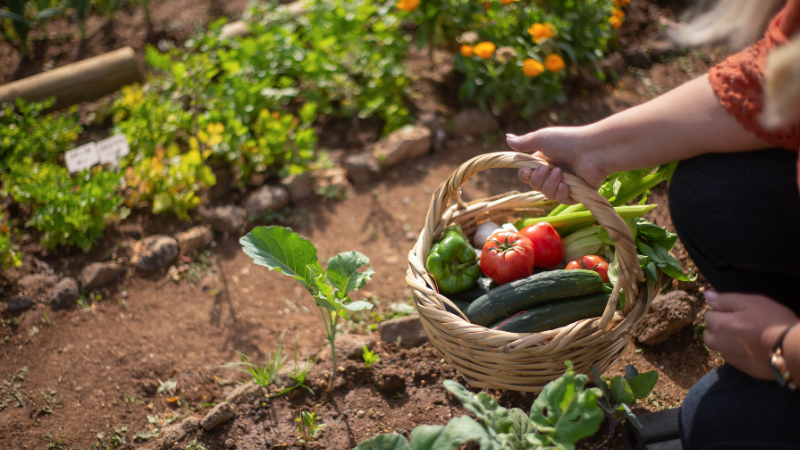
The first step in starting a home vegetable garden is selecting the right location. Vegetables need plenty of sunlight to thrive, so choose a spot that receives at least 6-8 hours of direct sunlight each day. South-facing areas are ideal for maximizing sun exposure.
If you’re short on space, consider alternative locations like balconies, patios, or even windowsills for container gardening. Ensure the area has good air circulation and is easily accessible for watering, weeding, and harvesting.
Keep in mind that vegetables also need protection from strong winds and pests. If necessary, use fencing, netting, or raised beds to shield your plants while maintaining their access to sunlight and air.
Planning Your Garden Layout
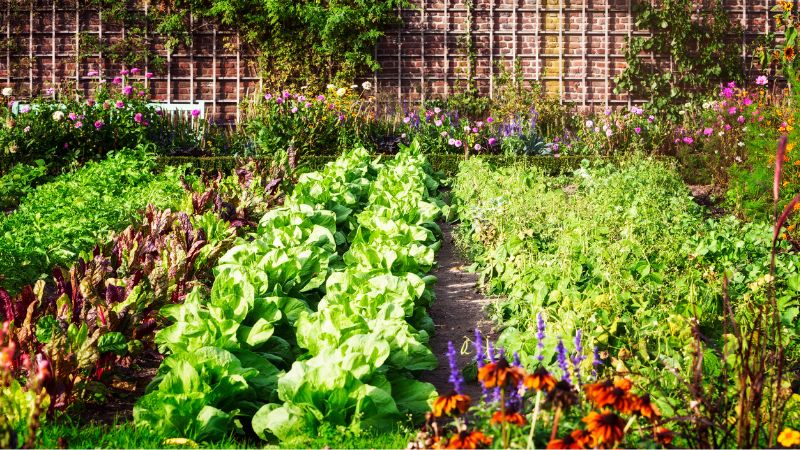
A well-planned garden layout is key to maximizing your harvest. Start by sketching a simple plan of your garden space, taking note of sunlight patterns and available area. Group vegetables with similar sunlight and water needs together for easier maintenance.
Raised beds or rows are excellent options for outdoor gardens, as they provide better drainage and soil control. For smaller spaces, vertical gardening techniques like trellises, hanging baskets, or wall-mounted planters can help you make the most of limited room.
Consider companion planting to enhance growth and deter pests. For instance, pairing carrots with onions can repel carrot flies, while marigolds planted alongside tomatoes can ward off harmful nematodes.
Preparing the Soil
Healthy soil is the foundation of a successful vegetable garden. Start by testing your soil to determine its pH level and nutrient content. Most vegetables prefer slightly acidic to neutral soil with a pH of 6.0 to 7.0. You can adjust the pH with lime (to raise it) or sulfur (to lower it) if needed.
Enrich your soil with organic matter such as compost, aged manure, or peat moss to improve fertility and structure. Loosen the soil to allow roots to penetrate easily and enhance aeration and drainage.
If your garden soil is poor, consider using raised beds or containers filled with high-quality potting mix. This ensures that your plants have the nutrients they need to grow strong and healthy.
Best Vegetables for Home Gardening

Leafy Greens
Leafy greens like lettuce, spinach, and kale are some of the easiest and most productive crops to grow at home. They thrive in small spaces, grow quickly, and can be harvested multiple times throughout the season. Plus, they’re packed with vitamins and minerals.
Plant leafy greens in nutrient-rich soil and ensure they receive consistent moisture. For a continuous supply, sow seeds every two weeks to stagger your harvest. Greens also grow well in partial shade, making them a great choice for areas with less sunlight.
These vegetables are perfect for beginners, as they’re resilient and require minimal care. You’ll enjoy fresh salads, smoothies, and garnishes straight from your garden.
Tomatoes and Peppers
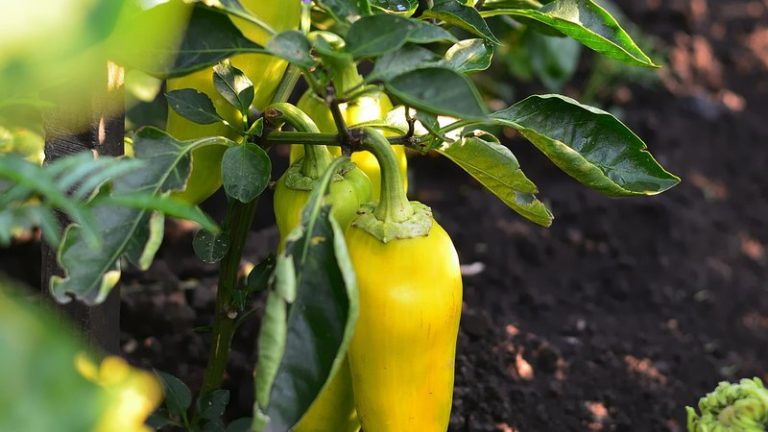
Tomatoes and peppers are popular choices for home gardens due to their versatility and high yield. These sun-loving plants require warm temperatures and consistent watering to thrive. Choose compact or dwarf varieties if you’re working with limited space.
Support tomato plants with cages or stakes to prevent them from toppling under the weight of their fruit. Peppers, on the other hand, are more compact but may benefit from staking as well. Both plants perform well in containers, provided they have adequate sunlight and drainage.
Tomatoes and peppers add flavor and color to your meals, making them indispensable for home gardeners. With proper care, you’ll enjoy a bountiful harvest throughout the growing season.
Root Vegetables
Root vegetables like carrots, radishes, and beets are excellent additions to any home garden. They’re easy to grow, require little maintenance, and are perfect for small spaces or containers. These crops prefer loose, well-draining soil free of rocks and debris.
Directly sow seeds into the ground or containers, spacing them according to the instructions on the seed packet. Keep the soil consistently moist but not waterlogged, as overly wet conditions can cause rot.
Root vegetables are nutrient-dense and versatile, making them a practical choice for home gardening. From fresh salads to hearty soups, they’re a delicious way to enjoy the fruits of your labor.
Tips for a Thriving Home Vegetable Garden

Consistent Watering
Watering is critical for vegetable growth, but it’s essential to strike the right balance. Overwatering can lead to root rot, while underwatering can stress plants and reduce yields. Aim to water deeply and infrequently, allowing the soil to dry slightly between sessions.
Invest in a drip irrigation system for efficient watering or use a watering can for precise application. Early morning is the best time to water, as it reduces evaporation and allows plants to absorb moisture before the heat of the day.
Pest and Disease Management
Pests and diseases are common challenges in home vegetable gardening, but they can be managed with preventative measures. Inspect plants regularly for signs of trouble, such as yellowing leaves, holes, or discoloration.
Use natural pest control methods like introducing beneficial insects (e.g., ladybugs or lacewings) or planting pest-repellent herbs like basil and mint. Rotate crops each season to prevent soil-borne diseases and reduce pest infestations.
If problems persist, consider organic solutions like neem oil or insecticidal soap to protect your plants without harming the environment.
Seasonal Planting
Maximize your garden’s productivity by planting crops suited to each season. Cool-season vegetables like peas, broccoli, and cabbage thrive in spring and fall, while warm-season crops like cucumbers, zucchini, and eggplant flourish in summer.
Plan your planting schedule carefully to ensure a continuous harvest throughout the year. Use succession planting techniques to grow multiple crops in the same space over time.
By following these tips, you’ll create a thriving home vegetable garden that provides fresh, delicious produce all year long.