Vegetables to Plant in February

Gardening enthusiasts often view February as an off-season month, but it can actually be an ideal time to start planting certain vegetables. While the cold weather persists in many regions, February offers a unique opportunity for gardeners to get a head start on the growing season.
Many vegetables can be sown indoors or in greenhouses during this time, which allows them to develop robustly by the time warmer spring weather arrives. This approach not only extends the growing season but also maximizes yield and efficiency for both small and large gardens.
Choosing the right vegetables to plant in February is crucial, as these should be varieties that can tolerate the cooler temperatures or benefit from an early start. The list below includes a variety of vegetables that range from root crops to leafy greens, each with specific growth requirements and benefits. By starting these vegetables in February, gardeners can enjoy an early harvest and make the most of their gardening space throughout the year.
Onions
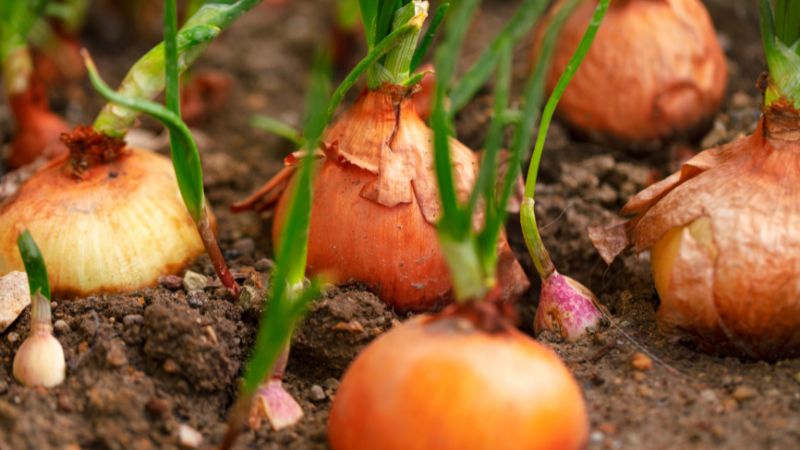
Onions are a staple in many kitchens and can be planted early in the year. Starting onions from seed in February requires a warm, indoor environment as they take a long time to grow. Planting them now ensures they will be ready for transplanting into the garden when the soil warms up in spring. Onions need plenty of light, so placing them near a sunny window or under grow lights can help them develop strong, healthy bulbs.
The process involves sowing seeds in a well-draining soil mix, barely covering them with soil. Watering should be consistent but not excessive, as onions do not thrive in soggy conditions. As they grow, thinning the seedlings is necessary to avoid overcrowding, which can hinder their development. This also allows the remaining plants to receive adequate nutrients and space to mature.
Once the outdoor temperatures are consistently above freezing, and the seedlings have grown several sets of leaves, they can be transplanted into the garden. It’s important to harden off the plants by gradually introducing them to outdoor conditions over a week or two. This reduces shock and improves their chances of thriving in their new environment.
Peas
Peas are perfect for early planting as they prefer cooler weather. February is an ideal time to start peas indoors if your region still experiences frosts, or directly in the ground if the weather allows. They need a well-draining soil and a location that receives full sun to partial shade. Peas are climbing plants, so providing support with trellises or stakes as soon as they start growing is crucial.
Sow the seeds about an inch deep and a few inches apart to allow for easy growth. Water them regularly to keep the soil moist, as peas need consistent moisture to develop properly. Avoid overwatering, however, as this can lead to root rot and other fungal diseases. Peas are relatively low-maintenance but should be monitored for pests such as aphids and powdery mildew.
As the pea plants grow, they will begin to vine and should be gently guided towards the support structures. Harvesting can begin as soon as the pods are plump and feel firm to the touch. Regular harvesting encourages the plants to produce more pods, extending the production period and increasing your yield.
Broad Beans
Broad beans, also known as fava beans, are hardy and can be started directly outdoors in February if the soil is workable. They can tolerate some frost, which makes them suitable for early sowing. Before planting, choosing a sunny site and working some compost into the soil to provide nutrients and improve drainage is beneficial.
Plant the seeds two inches deep and about six inches apart, in double rows to optimize space and support each other as they grow. Water them thoroughly at planting and regularly during dry spells, as consistent moisture is important for their development. Broad beans need little care apart from occasional weeding and checking for pests like blackfly.
Staking may be necessary if the plants grow tall and begin to flop over. This support prevents damage to the stems and ensures that the plants receive adequate sunlight. Harvest the pods when they are well-filled but before they become hard, as younger pods are more tender and flavorful. Regular picking also encourages further pod production.
Garlic
Garlic is another excellent choice for planting in February. It requires a long growing season and planting it now allows for a harvest in early summer or autumn, depending on the variety. Garlic prefers a well-draining soil rich in organic matter. It should be planted in areas receiving full sun, as this is crucial for bulb development.
To plant garlic, separate the cloves from the bulb and plant them pointy-end up, about two inches deep and six inches apart. Cover with soil and mulch to help maintain even soil temperatures and moisture levels. Water the cloves after planting and during dry periods in spring to promote healthy growth without waterlogging the soil.
Garlic needs little maintenance once established, but keeping the area weed-free is important. Weeds can compete with garlic for nutrients and sunlight, reducing the size and quality of the bulbs. As the weather warms, the garlic will begin to shoot up green leaves. Once these leaves begin to brown at the tips and fall over, it’s typically time to harvest.
Lettuce
Lettuce can be started indoors in February to get a jump on the spring salad season. It thrives in cooler temperatures and can be moved outdoors when the frost threat has passed. Planting lettuce in pots or trays allows for easy control over the environment, ensuring that the young plants are protected from harsh conditions.
Sow lettuce seeds thinly in trays filled with a light, seed-starting mix. Cover the seeds lightly with soil and water gently. Lettuce seeds require light to germinate, so placing the trays in a well-lit area or under grow lights is essential. Keep the soil moist but not soggy to encourage uniform germination.
As the lettuce seedlings develop, thin them out to prevent overcrowding. This gives each plant enough space to grow robust leaves. Gradual hardening off by exposing the plants to outdoor conditions for a few hours each day will prepare them for transplanting. Once acclimated, they can be planted in the garden or containers, spaced according to the variety’s requirements. Regular harvesting of the outer leaves encourages continuous production and extends the harvest period.
Spinach
Spinach is a nutrient-rich green that can be sown directly into the ground in February if the soil can be worked. It prefers cool temperatures and can germinate in soil as cool as 35°F. Select a site that receives partial shade, as spinach will bolt and produce seeds quickly if exposed to too much heat.
Plant spinach seeds about half an inch deep and a couple of inches apart. Water the area well after planting and keep the soil consistently moist throughout the growth period. Spinach grows quickly and can be harvested as soon as the leaves reach a desirable size.
Harvesting spinach regularly by cutting the outer leaves encourages the plant to produce more foliage instead of bolting to seed. This cut-and-come-again method can significantly extend the harvest period from a single planting. Additionally, ensuring that the spinach has adequate nitrogen can improve leaf production, so consider applying a balanced, slow-release fertilizer after the initial planting.
Spinach can be susceptible to pests like leaf miners and diseases such as downy mildew, especially in damp conditions. To mitigate these issues, maintain good air circulation around the plants and practice crop rotation. Removing affected leaves promptly and using organic pest control methods can help keep the plants healthy and productive throughout the season.
When the weather begins to warm, spinach plants may start to bolt. To extend the harvesting window, choose bolt-resistant varieties and provide some shade during the hottest part of the day. This can help prevent the plants from maturing too quickly, allowing for a longer harvesting period and more yield from your garden.
Radishes
Radishes are one of the quickest growing vegetables, making them an excellent choice for early planting in February. They can be harvested as soon as three weeks after planting, providing a crisp, peppery addition to salads and dishes early in the season. Radishes prefer cooler temperatures and can be planted directly outdoors if the ground is not frozen.
To plant radishes, sow the seeds about half an inch deep and an inch apart in rows or scattered in a bed. They require well-drained soil and consistent moisture to develop well-rounded, tender bulbs. Avoid overcrowding by thinning seedlings to about two inches apart once they have a couple of true leaves.
Radishes do not need much maintenance, but keeping the soil moist can prevent the roots from becoming woody and overly spicy. They also benefit from a light application of a high-potassium fertilizer to encourage robust root development without promoting excessive leaf growth. Watch for pests like root maggots and flea beetles, which can damage the plants. Using row covers can protect radishes from insects and reduce damage.
Harvest radishes when they are about the size of a large marble, depending on the variety. Pulling them up while they are young ensures they are at their most flavorful and tender. Regular harvesting also prevents them from becoming too large and pithy, which can negatively affect their taste and texture.
Carrots
Carrots planted in February need to be started indoors in colder regions or directly sown into the garden in areas with milder winters. They require a deep, loose, and well-draining soil to develop properly. Sowing carrot seeds directly into the ground can be challenging due to their small size, so careful handling is essential.
Plant carrot seeds sparingly to minimize thinning later, covering them with just a thin layer of soil. Water gently but thoroughly to keep the soil moist, which is crucial for germination. Carrots can take up to three weeks to germinate, so patience is necessary. Once the seedlings appear, thin them to about three inches apart to allow ample room for root growth.
Carrots benefit from regular watering, especially during dry spells, to ensure deep and uniform root development. Avoid using high nitrogen fertilizers, as these can cause carrots to fork and develop poorly. Instead, use a phosphorus-rich fertilizer to encourage strong root growth.
As carrots mature, they can be harvested at the desired size. Young carrots are tender and sweet, making them perfect for fresh eating. Leaving carrots in the ground longer can result in larger sizes but may affect their sweetness and texture. Regular harvesting not only provides a continuous supply but also prevents overcrowding and stunted growth.
Potatoes
Potatoes are a robust crop that can be started early in the year. While traditionally planted later in the spring, starting potatoes in February indoors or in a greenhouse can extend the growing season. They require a sunny location and well-draining soil enriched with compost or well-rotted manure.
Begin by chitting your potatoes—this means allowing them to sprout in a cool, light place before planting. This process can speed up growth once they are planted. Once the sprouts are about an inch long, they are ready to be planted. Place them in the soil with the sprouts pointing upwards, about four inches deep and twelve inches apart.
Water potatoes regularly to keep the soil moist but not waterlogged, as excessive moisture can lead to rot. As the plants grow, earth up soil around the stems to cover the growing tubers. This prevents them from being exposed to sunlight, which can turn them green and make them toxic.
Harvesting potatoes can begin once the flowers have bloomed and the foliage starts to die back. For new potatoes, harvest them earlier when the plants begin to flower. For larger, storage potatoes, wait until the plant completely dies back. Carefully dig around the plants with a fork to avoid damaging the tubers.
Cauliflower
Cauliflower can be started indoors in February, with plans to transplant them into the garden when stable warmer weather arrives. This vegetable prefers cooler temperatures and can bolt if exposed to too much heat too soon. Starting indoors allows you to control the environment and ensure stronger, more resilient plants.
Plant cauliflower seeds in seed trays with a quality seed-starting mix. Keep the soil moist and provide plenty of light—supplement with grow lights if natural light is insufficient. Cauliflower seedlings are ready to transplant when they have at least two sets of true leaves, but hardening off by gradually introducing them to outdoor conditions is crucial for acclimation.
When transplanting, choose a cloudy day or late afternoon to reduce stress on the plants. Space the seedlings about 18 inches apart in rows that are 30 inches apart. This spacing allows ample room for growth and airflow, which is important for preventing fungal diseases. Water the plants regularly, especially during dry spells, to promote steady growth and prevent the heads from splitting.
Feed cauliflower with a balanced fertilizer throughout the growing season to support its heavy nutrient demands. Mulching around the plants can help retain moisture and suppress weeds. As the heads begin to form, blanch them by tying the leaves over the head to protect them from sunlight; this ensures they remain tender and white.