
10 Houseplants for Basement

Having houseplants in your basement can brighten up the space and improve air quality, even if there’s little natural light. Many plants thrive in low-light, high-humidity conditions, making them perfect for basements. The key is to choose species that don’t require direct sunlight and can handle the temperature fluctuations common in lower levels of a home.
From air-purifying greens to striking foliage that adds life to dark corners, these ten houseplants are perfect for basements. They’re easy to care for and will help transform your space into a more inviting and refreshing environment.
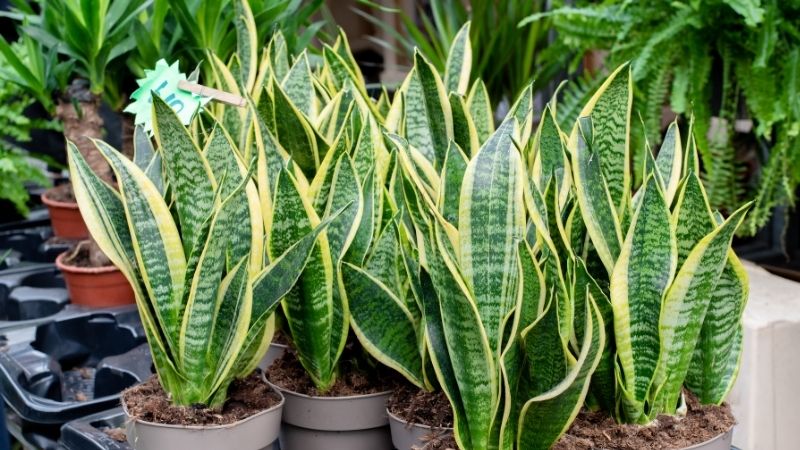
Snake Plant (Sansevieria)
The snake plant is one of the toughest houseplants you can get. It thrives in low light and can go weeks without water, making it perfect for a basement. Its upright, sword-like leaves give it a modern look that works well in any space.
This plant is also known for its air-purifying qualities. It removes toxins like formaldehyde and benzene, helping to improve indoor air quality. Since basements can sometimes feel stuffy, having a snake plant around can make a noticeable difference.
Water it only when the soil is completely dry, and be careful not to overwater—it prefers dry conditions. Even in artificial light, it will grow steadily without much attention.
ZZ Plant (Zamioculcas zamiifolia)
If you want a nearly indestructible plant for your basement, the ZZ plant is a great choice. It can tolerate low light, dry air, and infrequent watering while still looking vibrant. Its glossy, deep-green leaves add a touch of elegance to any space.
The ZZ plant grows slowly but requires little maintenance. It stores water in its rhizomes, so it can survive for weeks without watering. This makes it ideal for homeowners who don’t want to worry about daily care.
Although it prefers indirect light, it can survive under fluorescent or LED lighting. Just make sure not to overwater it, as its roots can rot if left in soggy soil.
Pothos (Epipremnum aureum)
Pothos is one of the easiest plants to grow, and it adapts well to basement conditions. It has trailing vines with heart-shaped leaves, which can be green, variegated, or golden. It’s a fast grower and works well in hanging baskets or on shelves.
This plant tolerates low light but will grow faster with some indirect light. It’s also great at purifying the air and removing common household toxins. If your basement tends to have musty air, a pothos can help freshen things up.
Water it when the soil feels dry to the touch, and trim the vines occasionally to keep them from getting too long. It’s a low-maintenance plant that still adds a lot of greenery to your space.
Spider Plant (Chlorophytum comosum)
The spider plant is another easy-to-care-for option that thrives in basement environments. Its long, arching leaves and small plantlets make it a visually interesting choice. It’s also one of the best air-purifying plants, known to remove toxins and improve air circulation.
Spider plants prefer indirect light, but they can survive in low-light conditions. They do well in hanging baskets, making them a great way to add greenery to a basement without taking up floor space.
Water them when the soil starts to dry out, but avoid overwatering. If you notice brown tips on the leaves, try using filtered water instead of tap water, as they can be sensitive to fluoride.
Cast Iron Plant (Aspidistra elatior)
True to its name, the cast iron plant is nearly indestructible. It can handle low light, irregular watering, and temperature fluctuations, making it ideal for basements. Its dark green, elongated leaves give it a lush, tropical appearance.
This plant is slow-growing but extremely resilient. It doesn’t need much attention beyond occasional watering and wiping down the leaves to remove dust. It’s also non-toxic to pets, making it a safe choice for homes with animals.
Place it in a shady corner, and it will continue to thrive with minimal care. Water it only when the soil is dry, and avoid placing it near vents or drafts that could dry it out too quickly.
Peace Lily (Spathiphyllum)
The peace lily is a great basement plant because it does well in low light and high humidity. Its dark green leaves and elegant white flowers add a nice decorative touch to any space. Plus, it’s excellent at filtering air pollutants.
One of the best things about peace lilies is that they’ll tell you when they need water—if the leaves start drooping, it’s time for a drink. They prefer consistently moist soil, but be careful not to overwater, as that can lead to root rot.
Peace lilies can survive with artificial lighting, but they bloom best with some indirect light. If your basement doesn’t get much natural light, consider using a grow light to encourage blooming.
Chinese Evergreen (Aglaonema)
Chinese evergreens are one of the best low-light houseplants available. They come in different varieties, with leaves featuring shades of green, silver, pink, or red. Their striking patterns make them a great decorative addition to any basement.
This plant prefers warm, humid conditions, which makes it well-suited for basement environments. It’s also very forgiving if you forget to water it occasionally. Water it when the top inch of soil feels dry, and avoid placing it in cold drafts.
Although it tolerates low light, it will produce more vibrant foliage in moderate indirect light. If your basement lacks natural light, consider using LED grow lights to keep it looking its best.
Dracaena (Dracaena spp.)
Dracaena plants are excellent choices for basements because they thrive in low to moderate light. Their long, sword-like leaves come in different colors, including green, yellow, and red-striped varieties. Some even resemble small indoor trees.
These plants prefer slightly moist soil but can tolerate periods of dryness. Since they help remove toxins from the air, they’re great for improving indoor air quality in enclosed spaces.
Keep them away from direct sunlight and avoid overwatering. If the leaves start turning brown at the tips, it could be due to fluoride in tap water, so using filtered water can help.
Boston Fern (Nephrolepis exaltata)
Ferns love humidity, making them a great choice for basements with a damp or musty feel. The Boston fern, in particular, thrives in indirect light and adds a soft, lush touch to any room.
This plant requires consistently moist soil, so be sure to water it regularly. It also benefits from occasional misting to maintain humidity levels. If your basement is dry, consider using a pebble tray or humidifier to keep it comfortable.
Since ferns shed leaves over time, trim any dead fronds to keep the plant looking healthy. Place it on a shelf or in a hanging basket for a decorative look.
Parlor Palm (Chamaedorea elegans)
The parlor palm is a fantastic low-maintenance plant that does well in basements. It tolerates low light and adds a tropical feel with its feathery, arching fronds. Unlike some palms, it grows well indoors without much fuss.
This plant prefers evenly moist soil but doesn’t like sitting in water. Water it when the top inch of soil feels dry, and avoid letting it dry out completely. Since it grows slowly, it won’t require frequent repotting.
It’s also pet-friendly, making it a great choice if you have animals at home. Even with minimal light, the parlor palm can thrive and bring greenery to your basement.