Optimal Spacing for Emerald Green Arborvitae

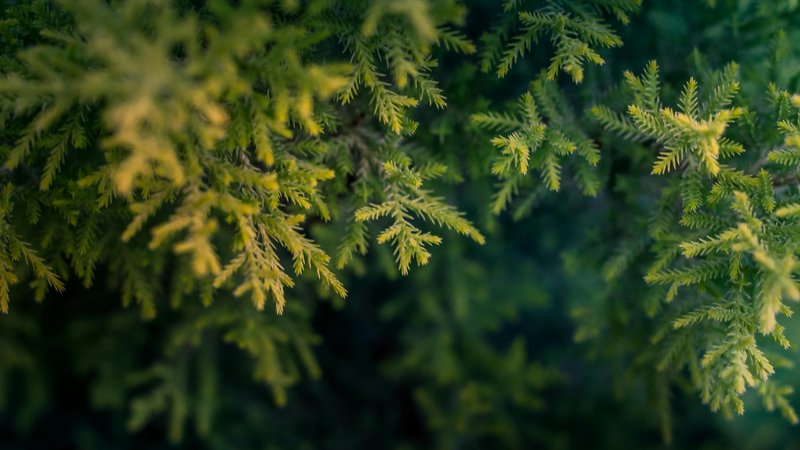
Getting emerald green arborvitae spacing right from the very beginning is one of the most important decisions you will make in your entire landscaping project. Plant them too close together and you risk suffocating root systems, triggering disease, and forcing costly removal down the road. Plant them too far apart and you may wait years longer than necessary for the dense, seamless privacy screen you envisioned.
The good news is that emerald green arborvitae are remarkably forgiving and adaptable trees when given the right conditions. Plant finder data confirms this variety typically reaches 10 to 15 feet tall and 3 to 4 feet wide at full maturity, which serves as the foundational measurement behind every spacing recommendation in this guide. Understanding how soil quality, regional climate, and your personal timeline interact with those mature dimensions will help you make a confident, well-informed decision.
Understanding Emerald Green Arborvitae Growth Characteristics
Emerald green arborvitae, botanically known as Thuja occidentalis ‘Smaragd’, is a slow to moderate grower that typically adds 6 to 9 inches of height per year under ideal conditions. Its naturally narrow, columnar form makes it one of the most popular choices for tight spaces and formal hedges.
Unlike many other arborvitae cultivars, this variety holds its rich emerald color through winter without significant bronzing. That year-round visual consistency is a major reason homeowners and landscapers consistently choose it for permanent privacy plantings.
Its root system is relatively shallow and fibrous, spreading outward rather than deep. This shallow root architecture means competition for nutrients and moisture between closely planted trees is a genuine concern that directly influences how far apart you should place them.
Standard Spacing Guidelines for Hedge Formation
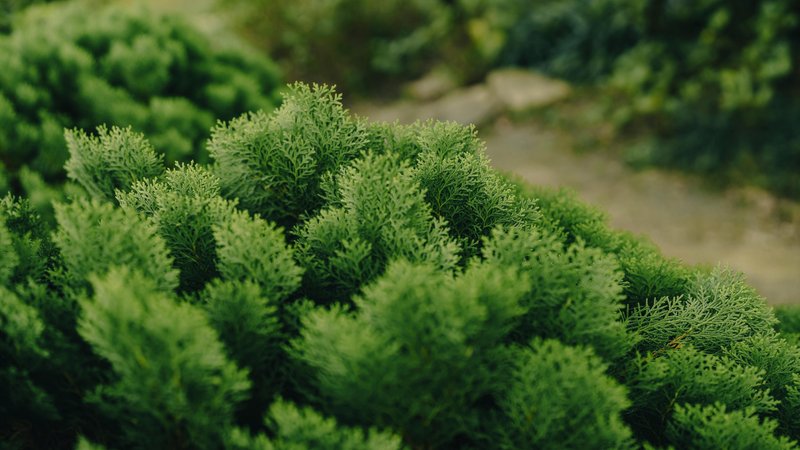
For a tight privacy hedge that fills in relatively quickly, most landscaping professionals recommend spacing emerald green arborvitae 2 to 3 feet apart, measured center to center. This allows canopies to merge within a few growing seasons while still permitting adequate airflow at the base.
For a more open, specimen-style planting or a looser screen, spacing of 3 to 4 feet center to center gives each tree room to express its full natural width. You will wait longer for full coverage, but each individual tree will be structurally healthier in the long run.
Never space them less than 2 feet apart unless you are intentionally creating a very formal, sheared hedge and plan to maintain it aggressively. Overcrowding below that threshold almost always leads to interior browning and root competition stress.
Soil Conditions and Their Impact on Spacing Requirements
Soil depth and quality are the biggest factors that determine proper plant spacing. Plant spacing research shows that when soil is deep, well-draining, high in humic content and compost, and has the right pH for that plant’s development, roots can grow quickly and trees can be spaced slightly closer without suffering.
In compacted, clay-heavy, or shallow soils, you should add at least 6 inches to your standard spacing recommendation. Poor soil dramatically slows root expansion and increases the risk of waterlogging around tightly grouped trees.
Amending your planting beds with quality compost before installation is one of the smartest investments you can make. If you are looking to improve your soil amendment process at home, a reliable compost bin can make that process far more consistent and efficient.
Emerald green arborvitae prefer a soil pH between 6.0 and 8.0. Testing your soil before planting allows you to correct pH imbalances that would otherwise stunt root development and force you to compensate with wider spacing.
Regional Climate Considerations for Spacing Decisions
Your local climate plays a significant role in how closely you can safely plant these trees. In humid regions with high rainfall, closer spacing increases the risk of fungal disease by trapping moisture between dense canopies.
In arid or semi-arid zones, the challenge flips entirely. Climate zone data from NOAA notes that in dry climates, potential evaporation and transpiration exceed precipitation, placing enormous water stress on closely spaced plants competing for limited soil moisture.
In dry climates, adding a full extra foot to your standard spacing is strongly advisable. Reduced competition for soil moisture can make the difference between thriving trees and a hedge that slowly declines despite regular irrigation.
In cold northern climates where heavy snow loads are common, slightly wider spacing also helps prevent branches from being crushed or splayed by accumulated snow pressing between tightly merged canopies. Shifting climate adaptation strategies are increasingly relevant to long-term planting decisions like these.
Spacing Variations Based on Timeline Goals
If your primary goal is fast privacy, planting at 2 feet apart will give you a visually solid screen in roughly 3 to 5 years depending on your growing conditions. The tradeoff is increased long-term maintenance and a higher upfront plant cost.
If you are planning for a 10-plus year landscape and want structurally sound, low-maintenance trees, spacing at 3 to 4 feet is the smarter long-term choice. Trees given adequate room from the start rarely need corrective pruning or removal, saving significant money over time.
A popular compromise used by experienced landscapers is to plant at 2 feet apart initially, then remove every other tree once canopies begin to crowd. This strategy delivers early privacy while protecting long-term tree health, though it does require the discipline to actually remove those trees when the time comes.
Air Circulation and Disease Prevention Through Proper Spacing
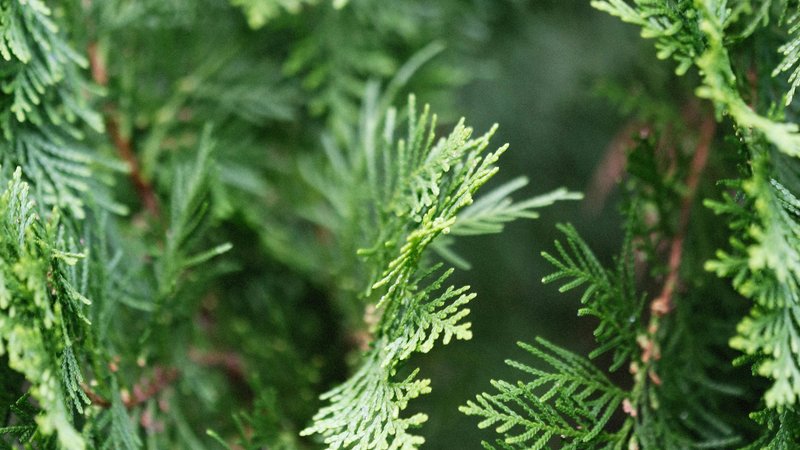
Adequate airflow between trees is not optional — it is a core disease prevention strategy. Fungal problems like tip blight and canker thrive in stagnant, humid microclimates created by overcrowded hedges.
Maintaining at least 18 to 24 inches of clear space between canopy edges at planting time significantly reduces fungal disease pressure. As the trees grow and canopies naturally merge, that initial buffer will have already allowed root systems to establish independence.
Orienting your hedge row to run perpendicular to your prevailing winds whenever possible also improves passive airflow through the planting. This simple site-planning step costs nothing but can dramatically reduce disease incidence over the life of the hedge.
Maintenance and Pruning Techniques for Different Spacing Distances
Trees planted at 2 feet apart will require shearing at least once per year to prevent excessive outward growth from crowding neighboring trees. Without consistent pruning, closely spaced arborvitae will develop dead interior zones from light exclusion.
Trees planted at 3 to 4 feet apart can often be maintained with light annual shaping rather than hard shearing. This preserves the natural form of the tree and reduces the labor investment over time.
Never cut back into old, brown wood on emerald green arborvitae — this variety does not regenerate from bare wood the way some other evergreens do. Always keep pruning within the green, actively growing portions of each branch.
Calculating Plant Quantity and Cost Considerations
Before purchasing, measure your total hedge run in feet and divide by your chosen spacing distance to determine how many plants you need. Always add 10% to that number to account for planting losses and future gap filling.
Emerald green arborvitae are widely available in 1-gallon, 3-gallon, and balled-and-burlapped sizes. Larger balled-and-burlapped specimens establish faster but cost significantly more per tree, so your spacing choice directly impacts your total project budget.
Tighter spacing multiplies plant costs quickly. A 100-foot hedge planted at 2 feet apart requires roughly 50 trees, while the same hedge at 3 feet apart requires only about 34. That difference in plant count can represent hundreds of dollars in savings.
Emerald Green Versus Other Arborvitae Varieties for Hedging
Compared to Green Giant arborvitae, which can reach 40 to 60 feet tall and 12 to 20 feet wide, emerald green is dramatically more compact and manageable in residential settings. Green Giant requires spacing of 5 to 6 feet or more, making it a very different calculation.
Techny arborvitae is another common alternative with a broader, more pyramidal form. Its wider natural spread means it typically needs 4 to 5 feet of spacing to avoid crowding, even though it reaches a similar height to emerald green.
For most suburban privacy hedges under 15 feet tall, emerald green remains the most space-efficient arborvitae option available. Its narrow mature width is the primary reason it can be planted at tighter intervals than nearly any competing variety. If you are exploring other permanent plantings for your property, the guide on trees every homesteader should plant offers excellent complementary options.
Transplant Shock Recovery and Spacing Adjustments
Newly planted arborvitae commonly experience a period of transplant shock during which growth slows or appears to stall entirely. This is normal and typically resolves within the first full growing season.
Do not adjust spacing based on how trees look in their first year — make spacing decisions based on mature dimensions, not establishment-phase appearance. Premature repositioning of stressed trees dramatically increases the risk of losing them entirely.
Providing consistent, deep watering during the first two growing seasons is the single most effective way to accelerate recovery from transplant shock. Shallow, frequent watering encourages the shallow root spread that makes these trees more vulnerable to drought and wind.
Watering and Fertilization Needs Relative to Spacing
Closely spaced trees compete aggressively for both water and nutrients, which means tighter plantings require more attentive irrigation and fertilization management. Trees planted at 2 feet apart may need up to 30% more supplemental water than those planted at 3 to 4 feet apart during dry periods.
A slow-release, balanced fertilizer applied in early spring supports steady growth without triggering the excessive soft growth that attracts pests and increases disease vulnerability. Avoid high-nitrogen formulas that push fast, weak growth at the expense of root development.
Drip irrigation or soaker hose systems are far more efficient than overhead sprinklers for arborvitae hedges. Keeping foliage dry reduces fungal pressure, which is especially important in tightly spaced plantings where airflow is already restricted.
Long-Term Cost-Benefit Analysis of Spacing Decisions
The upfront savings of wider spacing are real, but so is the patience required to wait for full hedge coverage. Mapping out a realistic timeline for your specific spacing choice before committing helps set accurate expectations and prevents costly mid-project changes.
Tighter spacing costs more initially in plant material and ongoing maintenance, but delivers faster visual results and faster property value enhancement. Wider spacing costs less upfront and less in long-term pruning labor, but requires more patience and may need supplemental screening during the establishment years.
The most cost-effective approach for most homeowners is 2.5 to 3 feet of center-to-center spacing — a genuine middle ground that balances establishment speed, tree health, maintenance burden, and total plant cost. Whatever spacing you choose, committing to it fully and supporting those trees with proper soil preparation, consistent watering, and appropriate fertilization will always deliver better results than any shortcut ever could.