
Best Vegetables That Can Be Grown Indoors: 15 Top Picks for Your Home Garden


Gardening indoors has become an increasingly popular way to enjoy fresh, home-grown produce regardless of outdoor space or climate limitations. Whether you live in an apartment, have a small balcony, or simply prefer the convenience of indoor gardening, growing vegetables inside your home is a rewarding and sustainable endeavor. Indoor vegetable gardening not only provides you with fresh ingredients for your kitchen but also enhances the aesthetic appeal of your living space and contributes to a healthier indoor environment.
Successfully growing vegetables indoors involves selecting the right varieties that thrive in confined spaces, managing light and water effectively, and providing the necessary nutrients and care. With the proper setup and attention, you can cultivate a diverse range of vegetables that flourish within your home, offering both beauty and functionality. This guide explores 15 of the best vegetables that can be grown indoors, providing insights into their care requirements and tips for achieving a bountiful indoor harvest.
1. Lettuce

Lettuce is one of the easiest and most rewarding vegetables to grow indoors, making it a favorite among indoor gardeners. With its relatively short growing cycle and minimal space requirements, lettuce thrives in containers placed near windows or under grow lights. Varieties such as loose-leaf, butterhead, and romaine are particularly well-suited for indoor cultivation, offering a continuous supply of fresh greens for salads and sandwiches.
To grow lettuce indoors, choose containers with good drainage and use a high-quality potting mix rich in organic matter. Consistent watering is crucial, as lettuce prefers evenly moist soil. Providing ample light, either from natural sources or supplemental grow lights, ensures that the plants remain healthy and vibrant. Regular harvesting by cutting the outer leaves encourages new growth, allowing you to enjoy a steady supply of crisp, tender lettuce throughout the growing season.
Lettuce benefits from cooler temperatures, making it ideal for indoor environments where temperature fluctuations are minimal. Additionally, using a shallow container reduces the risk of root crowding and promotes better air circulation around the plant base. By incorporating lettuce into your indoor garden, you can enjoy the satisfaction of harvesting your own fresh greens, enhancing both your culinary creations and your indoor living space.
2. Spinach

Spinach is another excellent vegetable for indoor gardening, known for its nutritional value and versatility in the kitchen. Rich in vitamins A, C, and K, spinach is a powerhouse leafy green that thrives in cool, moist conditions. It grows well in containers with ample light and can be harvested multiple times by cutting leaves as needed, promoting continuous growth and productivity.
When growing spinach indoors, select a container that allows for good drainage and use a fertile potting mix to support robust growth. Spinach prefers temperatures between 60-70°F (15-21°C), making it well-suited for indoor environments. Regular watering is essential, as spinach requires consistent moisture to prevent wilting and promote healthy leaf development. Additionally, providing sufficient light, either through natural windowsills or artificial grow lights, ensures that the plants receive the energy they need to thrive.
Harvesting spinach at the right time enhances its flavor and nutritional content. Young, tender leaves are more flavorful and can be harvested by cutting individual leaves or by taking entire plants once they reach maturity. By incorporating spinach into your indoor garden, you can enjoy a steady supply of fresh, nutrient-dense greens that support a healthy diet and add vibrant color to your home-grown meals.
3. Kale

Kale is a hardy and versatile vegetable that adapts well to indoor gardening, offering both aesthetic and nutritional benefits. Known for its robust leaves and rich flavor, kale is packed with vitamins, minerals, and antioxidants, making it a valuable addition to any diet. Kale thrives in containers and can be grown successfully in various indoor settings, from sunny windowsills to dedicated indoor garden spaces.
To grow kale indoors, choose a container that accommodates the plant’s root system and provides ample drainage. Use a nutrient-rich potting mix to support healthy growth and ensure that the soil remains consistently moist but not waterlogged. Kale prefers cooler temperatures, making it ideal for indoor environments where temperatures are controlled and stable. Providing sufficient light, whether natural or artificial, is essential for promoting strong, leafy growth and preventing the plants from becoming leggy.
Kale benefits from regular harvesting, allowing you to pick the outer leaves while encouraging new growth from the center. This method of harvesting extends the plant’s life and ensures a continuous supply of fresh, tender leaves for salads, smoothies, and cooked dishes. Additionally, kale’s striking foliage adds visual interest to your indoor garden, making it both a practical and decorative plant choice. By growing kale indoors, you can enjoy the dual benefits of fresh, nutritious greens and a beautiful, vibrant addition to your home’s greenery.
4. Radishes

Radishes are a fast-growing and low-maintenance vegetable that excels in indoor gardening, providing a quick and satisfying harvest for eager gardeners. With some varieties maturing in as little as three weeks, radishes are perfect for those looking to enjoy fresh, crisp roots without a long wait. Their compact size makes them well-suited for container gardening, even in small spaces.
To grow radishes indoors, select containers that are at least 6 inches deep to accommodate the root development, and use a loose, well-draining potting mix to prevent waterlogging. Radishes prefer cooler temperatures, typically between 50-65°F (10-18°C), making indoor environments ideal for their growth. Providing sufficient light, either from natural windows or artificial grow lights, ensures that the plants receive the energy needed to develop quickly and healthily.
Consistent watering is crucial for radishes, as they require even moisture levels to prevent split or misshapen roots. Aim to keep the soil evenly moist throughout the growing period, but avoid overwatering to prevent root rot. Radishes also benefit from thinning, where overcrowded seedlings are spaced out to allow each plant adequate room to mature. Harvesting radishes at the right size ensures optimal flavor and texture, making them a delightful and rewarding addition to your indoor vegetable garden.
5. Carrots

Carrots are a popular root vegetable that can be successfully grown indoors, providing sweet and crunchy roots for a variety of culinary uses. While they require a bit more attention and space compared to some other vegetables, with the right setup, carrots can thrive in an indoor garden environment. Compact varieties such as ‘Thumbelina’ or ‘Paris Market’ are particularly well-suited for container gardening, making them ideal for indoor cultivation.
To grow carrots indoors, choose deep containers with a minimum depth of 12 inches to accommodate the root growth, and use a loose, sandy potting mix to facilitate easy root expansion. Carrots prefer cooler temperatures, typically between 60-70°F (15-21°C), which aligns well with indoor climates. Providing ample light, either through bright windows or supplemental grow lights, ensures that the plants receive the necessary light intensity for robust growth and vibrant roots.
Consistent watering is essential for carrots, as they require even moisture levels to develop straight and uniform roots. Avoid overwatering, which can cause the roots to become waterlogged and prone to disease. Additionally, thinning the seedlings once they are a few inches tall helps prevent overcrowding and allows each carrot to grow properly. Harvesting carrots when they reach the desired size ensures that they retain their sweetness and crispness, making them a satisfying and nutritious addition to your indoor garden.
6. Cherry Tomatoes

Cherry tomatoes are a favorite among indoor gardeners due to their sweet flavor, vibrant color, and prolific fruit production. Compact and bushy varieties such as ‘Tiny Tim’ or ‘Red Robin’ are well-suited for container gardening, making them perfect for indoor cultivation. With the right care and conditions, cherry tomatoes can flourish indoors, providing a continuous harvest of delicious, juicy fruits for your kitchen.
To grow cherry tomatoes indoors, select large containers with good drainage and use a high-quality potting mix enriched with organic matter to support healthy growth. Cherry tomatoes require ample sunlight, ideally receiving at least 6-8 hours of direct light each day. If natural light is insufficient, supplementing with grow lights can ensure that the plants receive the necessary light intensity for robust fruit production.
Consistent watering is crucial for cherry tomatoes, as they require steady moisture levels to prevent blossom end rot and other water-related issues. Ensure that the soil remains evenly moist without becoming soggy, and consider using a drip irrigation system or self-watering containers to maintain consistent hydration. Additionally, supporting the tomato plants with stakes, cages, or trellises helps manage their growth and prevents the heavy fruits from causing the stems to break. Pruning the lower leaves and any excessive growth encourages better air circulation and more focused energy on fruit production, resulting in a bountiful and rewarding indoor tomato harvest.
7. Bell Peppers

Bell peppers are a versatile and colorful vegetable that can thrive indoors with the right conditions, offering sweet and crisp fruits for a variety of dishes. Compact and dwarf varieties such as ‘Mini Bell’ or ‘Sweet Banana’ are particularly well-suited for indoor container gardening, making them an excellent choice for those looking to grow peppers in confined spaces. Bell peppers not only enhance the visual appeal of your indoor garden but also provide a steady supply of nutritious and flavorful fruits.
To grow bell peppers indoors, choose containers that are at least 12 inches deep and provide ample drainage to prevent waterlogging. Use a nutrient-rich potting mix that supports strong root growth and overall plant health. Bell peppers require warm temperatures, typically between 70-80°F (21-27°C), making indoor environments with stable temperatures ideal for their growth. Providing at least 6 hours of direct sunlight each day, either from a sunny window or supplemental grow lights, ensures that the plants receive the necessary light for robust fruit production.
Consistent watering is essential for bell peppers, as they require evenly moist soil to prevent blossom end rot and to promote healthy fruit development. Avoid overwatering, which can lead to root rot and other water-related problems. Additionally, fertilizing the plants regularly with a balanced fertilizer supports strong growth and abundant fruiting. Supporting the plants with stakes or cages helps manage their growth and prevents the heavy fruits from causing the stems to break. By incorporating bell peppers into your indoor garden, you can enjoy a vibrant and productive harvest of sweet and colorful fruits that add flavor and nutrition to your meals.
8. Green Onions

Green onions, also known as scallions, are a quick-growing and low-maintenance vegetable that excels in indoor gardening, providing a fresh and mild onion flavor for a variety of dishes. Their slender, edible green stems add a fresh and versatile ingredient to salads, soups, and garnishes, making them a favorite among indoor gardeners. Green onions are particularly well-suited for container gardening, requiring minimal space and thriving in bright light conditions, whether from natural sunlight or grow lights.
To grow green onions indoors, choose small containers with good drainage and use a light, well-draining potting mix. Green onions prefer cooler temperatures, typically between 55-75°F (13-24°C), making them ideal for indoor environments. Providing at least 4-6 hours of direct sunlight each day ensures that the plants receive the necessary light for healthy growth and vibrant green stems.
Consistent watering is important for green onions, as they require evenly moist soil to prevent wilting and promote continuous growth. However, avoid overwatering, which can lead to root rot and other moisture-related issues. Green onions benefit from regular harvesting, where the green tops are trimmed, allowing the plants to continue producing new growth from the base. This method of harvesting ensures a continuous supply of fresh, flavorful additions to your culinary creations while maintaining the health and productivity of your indoor garden.
9. Swiss Chard

Swiss chard is a hardy and versatile vegetable that thrives in indoor gardening environments, offering vibrant, colorful stems and nutrient-rich leaves. Known for its attractive appearance and mild, earthy flavor, Swiss chard is a popular choice for indoor gardens, adding both beauty and functionality to your living space. It is well-suited for container gardening, requiring minimal space and adapting well to a variety of indoor conditions.
To grow Swiss chard indoors, select containers that are at least 12 inches deep and use a fertile, well-draining potting mix to support robust root growth. Swiss chard prefers cooler temperatures, typically between 60-70°F (15-21°C), making indoor environments with stable temperatures ideal for its cultivation. Providing ample light, either from bright windows or supplemental grow lights, ensures that the plants receive the energy needed for healthy and vibrant growth.
Consistent watering is crucial for Swiss chard, as it requires evenly moist soil to prevent wilting and promote lush, green leaves. Mulching around the plants helps retain soil moisture and suppresses weed growth, creating a more stable and productive growing environment. Regular harvesting of the outer leaves encourages new growth and ensures a continuous supply of fresh, tender greens. Additionally, Swiss chard benefits from occasional fertilization to replenish nutrients and support sustained growth throughout the growing season.
Swiss chard’s striking stems, which come in shades of red, yellow, and white, add a pop of color to your indoor garden, enhancing its aesthetic appeal. Its resilience and adaptability make it a reliable and rewarding vegetable to grow indoors, providing both beauty and nutrition. By incorporating Swiss chard into your indoor garden, you can enjoy a steady supply of fresh, flavorful greens that enrich your meals and elevate your gardening experience.
10. Bok Choy

Bok choy, also known as Chinese cabbage, is a popular vegetable for indoor gardening, valued for its tender leaves and crisp stalks. It is a staple in many Asian cuisines and offers a mild, slightly sweet flavor that complements a variety of dishes. Bok choy is well-suited for container gardening, thriving in cooler indoor environments and producing a bountiful harvest with minimal effort.
To grow bok choy indoors, choose containers that are at least 8-10 inches deep and use a rich, well-draining potting mix to support healthy root development. Bok choy prefers cooler temperatures, typically between 60-65°F (15-18°C), making indoor environments with consistent temperatures ideal for its growth. Providing sufficient light, either through bright windows or supplemental grow lights, ensures that the plants receive the energy needed for robust growth and vibrant foliage.
Consistent watering is essential for bok choy, as it requires evenly moist soil to prevent wilting and support healthy leaf development. Avoid overwatering, which can lead to root rot and other moisture-related issues. Bok choy benefits from regular fertilization with a balanced fertilizer to ensure that it receives the necessary nutrients for vigorous growth and productivity. Additionally, thinning the seedlings once they are a few inches tall helps prevent overcrowding and allows each plant to develop properly.
Harvesting bok choy when the leaves are young and tender ensures optimal flavor and texture. Regular harvesting encourages continuous growth and allows the plants to produce new leaves, extending the harvest period. Bok choy’s attractive, lush green leaves and crisp stalks add both aesthetic appeal and nutritional value to your indoor garden, making it a rewarding and practical vegetable choice for indoor cultivation.
11. Microgreens

Microgreens are young, tender seedlings of various vegetables and herbs, harvested just after the first true leaves develop. They are highly nutritious, packed with vitamins, minerals, and antioxidants, making them a popular choice for indoor gardening. Microgreens are incredibly easy to grow, requiring minimal space and time, making them perfect for indoor environments such as kitchens, balconies, or dedicated indoor garden setups.
To grow microgreens indoors, use shallow containers with good drainage and fill them with a fine, well-draining potting mix or seed-starting soil. Microgreens prefer bright light, ideally receiving at least 4-6 hours of direct sunlight each day. If natural light is insufficient, supplemental grow lights can provide the necessary intensity for optimal growth. Ensure that the soil remains consistently moist but not waterlogged, as microgreens require adequate moisture to germinate and thrive.
Microgreens can be harvested in as little as 7-21 days, depending on the variety, making them a quick and rewarding addition to your indoor garden. Popular microgreens include radish, broccoli, sunflower, and arugula, each offering unique flavors and nutritional benefits. Harvesting is done by snipping the seedlings just above the soil line when they reach the desired height, typically around 2-3 inches tall.
Growing microgreens indoors provides a continuous supply of fresh, nutrient-dense greens that can be used in salads, sandwiches, smoothies, and garnishes. Their compact size and rapid growth cycle make them an ideal choice for indoor gardeners looking to maximize space and enjoy fresh produce with minimal effort. By incorporating microgreens into your indoor garden, you can enjoy a steady supply of flavorful and nutritious greens that enhance your meals and support a healthy lifestyle.
12. Cucumbers (Dwarf Varieties)
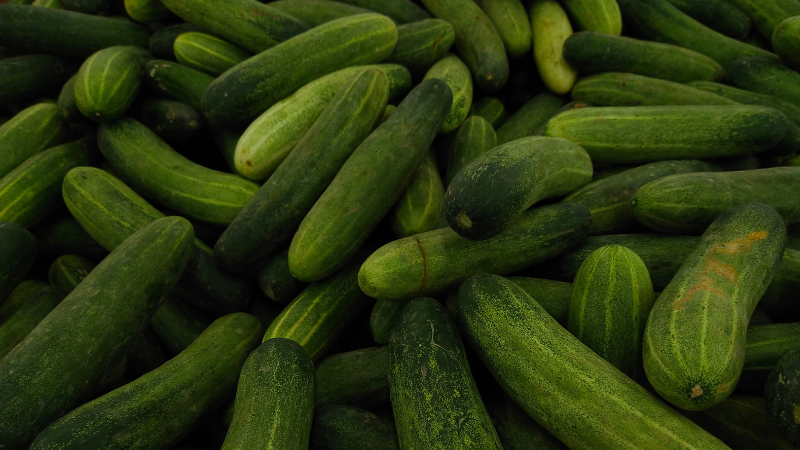
Cucumbers are a refreshing and versatile vegetable that can thrive indoors, especially when grown as dwarf or compact varieties designed for container gardening. Varieties such as ‘Bush Champion’ or ‘Spacemaster’ are well-suited for indoor cultivation, offering manageable growth habits and prolific fruit production. Indoor cucumbers provide fresh, crisp vegetables for salads and snacks, enhancing the culinary experience with their vibrant flavor and texture.
To grow cucumbers indoors, choose a large container with ample drainage and use a high-quality potting mix rich in organic matter. Cucumbers require a warm environment, typically between 70-85°F (21-29°C), making indoor settings with stable temperatures ideal for their growth. Providing at least 6-8 hours of direct sunlight each day, either from a bright windowsill or supplemental grow lights, ensures that the plants receive the energy needed for healthy development and fruit production.
Consistent watering is crucial for cucumbers, as they require evenly moist soil to prevent issues such as blossom end rot and to support the development of large, juicy fruits. Using a drip irrigation system or self-watering containers can help maintain consistent moisture levels without overwatering. Additionally, providing support for the cucumber plants, such as trellises or cages, encourages vertical growth and improves air circulation around the plants, reducing the risk of fungal diseases and promoting healthier fruit production.
Regular fertilization with a balanced fertilizer supports robust growth and abundant fruiting, ensuring that the plants receive the necessary nutrients for optimal performance. Pruning the side shoots and removing any yellowing or damaged leaves helps maintain plant health and directs energy towards fruit development. By incorporating dwarf cucumber varieties into your indoor garden, you can enjoy a steady supply of fresh, flavorful cucumbers while adding a touch of greenery and productivity to your indoor living space.
13. Beans (Bush Varieties)

Beans are a popular and productive vegetable that can be successfully grown indoors, particularly when selecting bush varieties that are well-suited for container gardening. Varieties such as ‘Bush Blue Lake’ or ‘Contender’ are ideal for indoor cultivation, offering compact growth habits and prolific pod production. Indoor beans provide a steady supply of fresh, nutritious pods that can be used in a variety of dishes, enhancing both the health and flavor of your meals.
To grow beans indoors, choose a large container with good drainage and use a nutrient-rich potting mix that supports strong root development. Beans require warm temperatures, typically between 70-80°F (21-27°C), making indoor environments with stable temperatures ideal for their growth. Providing at least 6 hours of direct sunlight each day, either from a bright windowsill or supplemental grow lights, ensures that the plants receive the necessary light for vigorous growth and pod production.
Consistent watering is essential for indoor beans, as they require evenly moist soil to prevent wilting and support the development of healthy pods. Using a drip irrigation system or self-watering containers can help maintain consistent moisture levels without overwatering. Additionally, providing support for the bean plants, such as stakes or trellises, helps manage their growth and keeps the plants upright, promoting better air circulation and reducing the risk of disease.
Regular fertilization with a balanced fertilizer supports strong growth and abundant pod production, ensuring that the plants receive the necessary nutrients for optimal performance. Pruning any excessive or leggy growth helps maintain plant health and directs energy towards productive pod development. By incorporating bush bean varieties into your indoor garden, you can enjoy a continuous harvest of fresh, flavorful beans while adding a touch of greenery and productivity to your indoor living space.
14. Eggplants (Dwarf Varieties)

Eggplants, also known as aubergines, are a flavorful and versatile vegetable that can be successfully grown indoors, particularly when selecting dwarf or compact varieties. Varieties such as ‘Fairy Tale’ or ‘Patio Baby’ are well-suited for container gardening, offering manageable growth habits and abundant fruit production. Indoor eggplants provide fresh, succulent fruits that enhance a variety of culinary dishes, from stir-fries to roasted vegetables.
To grow eggplants indoors, choose a large container with ample drainage and use a high-quality potting mix enriched with organic matter to support robust root growth. Eggplants require warm temperatures, typically between 70-85°F (21-29°C), making indoor environments with consistent warmth ideal for their growth. Providing at least 6-8 hours of direct sunlight each day, either from a bright windowsill or supplemental grow lights, ensures that the plants receive the energy needed for healthy development and fruit production.
Consistent watering is crucial for indoor eggplants, as they require evenly moist soil to prevent issues such as blossom end rot and to support the development of large, juicy fruits. Using a drip irrigation system or self-watering containers can help maintain consistent moisture levels without overwatering. Additionally, providing support for the eggplant plants, such as stakes or cages, helps manage their growth and prevents the heavy fruits from causing the stems to break.
Regular fertilization with a balanced fertilizer supports strong growth and abundant fruiting, ensuring that the plants receive the necessary nutrients for optimal performance. Pruning any excessive or leggy growth helps maintain plant health and directs energy towards productive fruit development. By incorporating dwarf eggplant varieties into your indoor garden, you can enjoy a steady supply of fresh, flavorful fruits while adding a touch of elegance and productivity to your indoor living space.
15. Peas

Peas are a delightful and productive vegetable that can thrive indoors, particularly when selecting dwarf or bush varieties that are well-suited for container gardening. Varieties such as ‘Little Marvel’ or ‘Tom Thumb’ are ideal for indoor cultivation, offering manageable growth habits and prolific pod production. Indoor peas provide fresh, tender pods that are perfect for snacking, cooking, and adding to a variety of dishes, enhancing both the flavor and nutritional value of your meals.
To grow peas indoors, choose a large container with good drainage and use a rich, well-draining potting mix to support healthy root development. Peas require cool temperatures, typically between 60-70°F (15-21°C), making indoor environments with stable temperatures ideal for their growth. Providing at least 6 hours of direct sunlight each day, either from a bright windowsill or supplemental grow lights, ensures that the plants receive the energy needed for robust growth and pod production.
Consistent watering is essential for indoor peas, as they require evenly moist soil to prevent wilting and support the development of healthy pods. Using a drip irrigation system or self-watering containers can help maintain consistent moisture levels without overwatering. Additionally, providing support for the pea plants, such as trellises or stakes, helps manage their growth and keeps the plants upright, promoting better air circulation and reducing the risk of disease.
Regular fertilization with a balanced fertilizer supports strong growth and abundant pod production, ensuring that the plants receive the necessary nutrients for optimal performance. Pruning any excessive or leggy growth helps maintain plant health and directs energy towards productive pod development. By incorporating dwarf pea varieties into your indoor garden, you can enjoy a continuous harvest of fresh, flavorful peas while adding a touch of greenery and productivity to your indoor living space.
By carefully selecting and nurturing these 15 vegetables, you can create a thriving indoor garden that not only enhances the beauty of your living space but also provides a continuous supply of fresh, nutritious produce. Whether you’re a seasoned gardener or just starting out, these vegetables offer a range of flavors, textures, and health benefits that can transform your indoor environment into a vibrant and productive oasis. With the right care, attention, and the appropriate setup, your indoor vegetable garden can flourish, bringing the joys of gardening and the benefits of home-grown produce right to your fingertips.


