Easy Vegetables to Grow for Beginners

Growing your own vegetables can be an incredibly rewarding experience, especially for beginners looking to start a garden. Whether you have a small balcony, a backyard, or just a few pots, there are plenty of vegetables that are simple to grow, require minimal maintenance, and thrive in a variety of conditions.
Gardening not only provides a satisfying sense of accomplishment but also ensures fresh, healthy produce right at your fingertips. If you’re just starting out, it’s important to choose the right vegetables that are forgiving and easy to care for.
The key to success with beginner gardening is selecting vegetables that are well-suited to your growing conditions and have simple care requirements. Starting with the basics, such as leafy greens, root vegetables, and easy-to-grow herbs, can set you on the path to success. With a little patience and the right approach, you can soon enjoy a bountiful harvest with minimal effort.
Lettuce and Salad Greens
Lettuce and other salad greens are among the easiest vegetables to grow for beginners. They thrive in cooler temperatures, making them perfect for spring or fall gardens. Lettuce varieties such as Romaine, Butterhead, or loose-leaf are simple to grow from seed and can be harvested in as little as 30 days. They require just a few basic conditions: well-draining soil, moderate sunlight, and regular watering.
One of the great things about growing lettuce is that you can grow it in containers, raised beds, or directly in the ground. These greens don’t require much space, making them ideal for smaller gardens or even windowsills. If you’re planting in containers, make sure the pots are large enough to allow the roots to spread. For the best results, keep the soil consistently moist, and if possible, avoid extreme heat as lettuce tends to bolt (go to seed) when the weather gets too hot.
Another advantage of growing lettuce and salad greens is that you can harvest them as needed. Simply pick the outer leaves, and the plant will continue to produce new growth. This “cut-and-come-again” method ensures a steady supply of fresh greens throughout the growing season.
Radishes
Radishes are one of the quickest-growing vegetables, often ready to harvest in as little as three to four weeks. This makes them a great choice for beginners looking for fast results. They thrive in loose, well-draining soil, and they require minimal care. Whether you’re growing them in the ground or in containers, radishes don’t need much space to grow.
To get the best results, plant your radish seeds directly into the soil, ensuring they’re spaced a few inches apart to allow the roots to develop properly. Radishes prefer cooler temperatures and can be grown in both spring and fall. Consistent watering is key to ensuring the roots grow evenly and don’t become too tough or woody. If you notice the radishes growing too quickly and becoming spicy, you may need to adjust the watering or harvest them early.
Radishes can be harvested when they are about the size of a marble, but don’t wait too long, as they can become bitter. Radishes are not only easy to grow, but they also add a zesty crunch to your salads and dishes.
Tomatoes
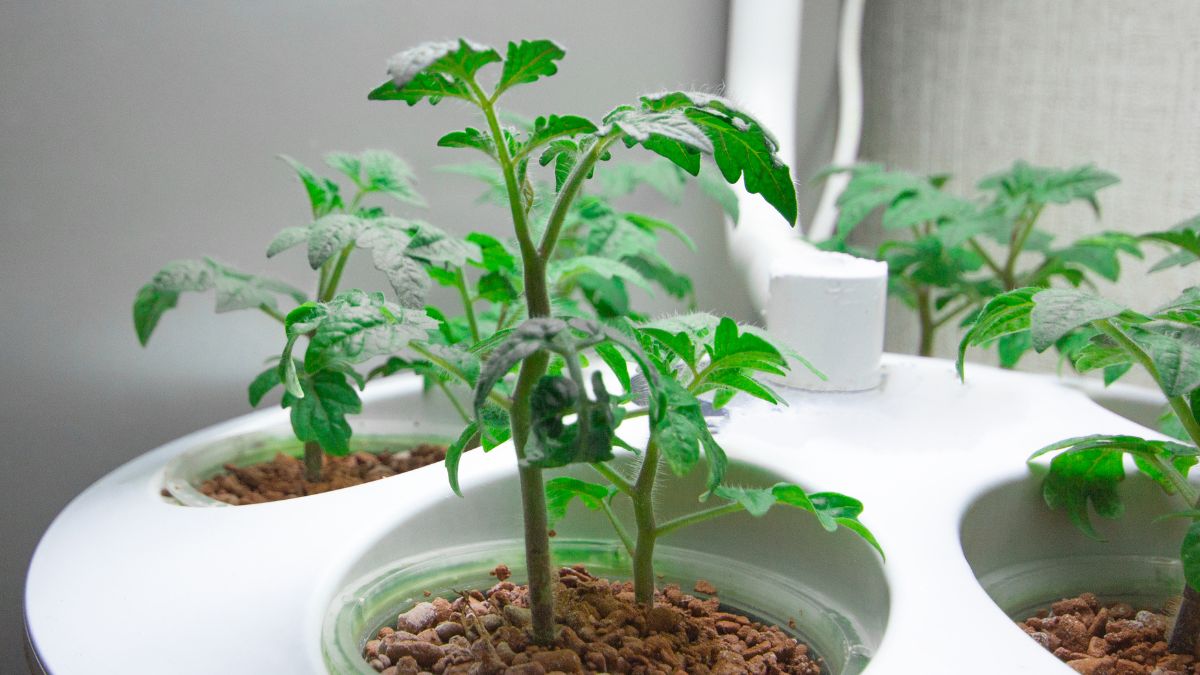
Tomatoes are a classic garden favorite, and many beginner gardeners find them relatively easy to grow. Whether you’re planting determinate (bush) varieties that don’t need much pruning or indeterminate (vining) varieties that continue to grow throughout the season, tomatoes offer versatility. They grow well in full sun, and regular watering ensures healthy fruit production. Start with disease-resistant varieties to make things easier, as they tend to require less attention and are more robust in various conditions.
When growing tomatoes, make sure the soil is rich in organic matter to support healthy plant growth. Raised beds or containers work especially well for tomatoes, as they offer excellent drainage. For those growing in the ground, make sure the soil is well-prepared and not too compact. Staking or using cages will help the plants grow upward and keep the fruit off the ground, reducing the risk of rot.
Tomatoes are great for beginners because they can be grown in containers, hanging baskets, or directly in the soil. Once they start producing fruit, you’ll be rewarded with a steady supply of homegrown tomatoes perfect for salads, sauces, or just snacking.
Carrots
Carrots are another beginner-friendly vegetable that is perfect for growing in a garden. They thrive in loose, sandy soil, which allows their roots to grow deep and develop a smooth texture. Carrots can be grown in both raised beds and containers, but they require space for the roots to expand. Growing them from seeds is easy, and they don’t require constant attention once planted.
To get started, plant carrot seeds directly into the soil, spacing them evenly. Carrots need cool, consistent temperatures to grow well, so they’re great for spring or fall gardening. Ensure the soil stays moist during the germination process, as dry soil can cause the seeds to fail. As the carrots grow, thin them out so the remaining plants have enough space to form long, straight roots.
One of the benefits of growing carrots is that they’re relatively low-maintenance, requiring just a little attention in terms of watering and weeding. When the roots are ready to harvest, simply pull them from the ground and enjoy the sweet, fresh flavor.
Zucchini
Zucchini is a prolific plant that’s perfect for beginner gardeners, and it can yield a significant amount of produce. With large, broad leaves and fast-growing vines, zucchini plants can cover a lot of space, making them ideal for those with larger gardens. Zucchini prefers full sun and well-draining soil with plenty of nutrients, so make sure to fertilize the soil before planting.
Zucchini plants require regular watering to ensure they stay hydrated, especially when the fruits begin to develop. These plants are known for producing an abundance of vegetables, and harvesting them regularly helps prevent them from becoming too large and tough. Pick zucchinis when they are still young and tender, as they will be more flavorful.
Zucchini is a great vegetable to grow because it’s versatile in the kitchen and easy to prepare. Whether you’re adding it to stir-fries, baking zucchini bread, or grilling it, this vegetable is a great addition to any garden. Plus, it’s often one of the most productive vegetables, ensuring you get a continuous harvest throughout the growing season.
Spinach
Spinach is another excellent vegetable for beginners, especially if you’re looking for leafy greens that grow quickly. It thrives in cooler temperatures and can be grown in both spring and fall. Spinach is a hardy plant that tolerates partial shade and can even grow in containers or small garden spaces. It also grows well in a variety of soils, as long as they are rich in organic matter.
Spinach needs consistent watering to keep the soil moist, but it’s important not to let it become waterlogged. Like lettuce, spinach is a cut-and-come-again vegetable, meaning you can harvest the outer leaves while the plant continues to grow. Spinach leaves are packed with nutrients, making them a great addition to salads, smoothies, or cooked dishes.
If you’re planting spinach in a garden bed, be sure to space the plants properly to allow for ample airflow and reduce the risk of disease. Regular harvesting not only provides fresh spinach but also encourages the plant to continue producing throughout the season.
Green Beans
Green beans are an easy vegetable to grow and can be very productive, especially if you plant them in the right conditions. They require full sun and well-drained soil. Beans are ideal for beginners because they grow relatively quickly and require little attention. You can either grow bush varieties, which don’t need staking, or climbing varieties, which do better with some form of support, like trellises or poles.
To start, plant your green bean seeds directly into the soil after the last frost date in your area. Beans are nitrogen-fixers, meaning they can actually improve the soil they grow in by adding nitrogen, making them an excellent companion plant for other vegetables. Be sure to water regularly and keep the soil moist, especially during dry spells.
Green beans are a great choice for beginners because they’re easy to pick when they’re ready and don’t require a lot of maintenance. Harvest them when they’re young and tender, and enjoy them fresh or in a variety of dishes. Whether you steam, sauté, or pickle them, green beans are a delicious and rewarding vegetable to grow.
Peas
Peas are another vegetable that’s simple to grow and can be very rewarding for beginner gardeners. These cool-season plants grow well in early spring or fall and can be planted directly in the ground. Peas grow best in well-drained, fertile soil with plenty of sunlight. They’re an excellent option for small spaces or gardens with limited room because they can be grown vertically on a trellis or fence.
To grow peas, plant the seeds about an inch deep, spacing them a few inches apart. Keep the soil moist, but avoid over-watering, as peas are prone to root rot. As the plants begin to grow, support them with stakes or a trellis to help them climb upward, making them easy to harvest. Regularly pick the pods when they’re young and tender to encourage more production.
Peas are a great addition to any garden, as they are nutritious and versatile in cooking. You can enjoy them fresh from the vine, add them to soups and salads, or freeze them for later use. The plants are also great for companion planting, as they help improve soil nitrogen levels.
By starting with these easy-to-grow vegetables, beginners can enjoy a successful and rewarding gardening experience. Whether you have a small container garden or a larger plot of land, these vegetables will thrive with minimal care and provide plenty of fresh produce for your kitchen. Happy gardening!