
The Complete Guide to Vertical Gardening Systems: How to Maximize Space and Grow More

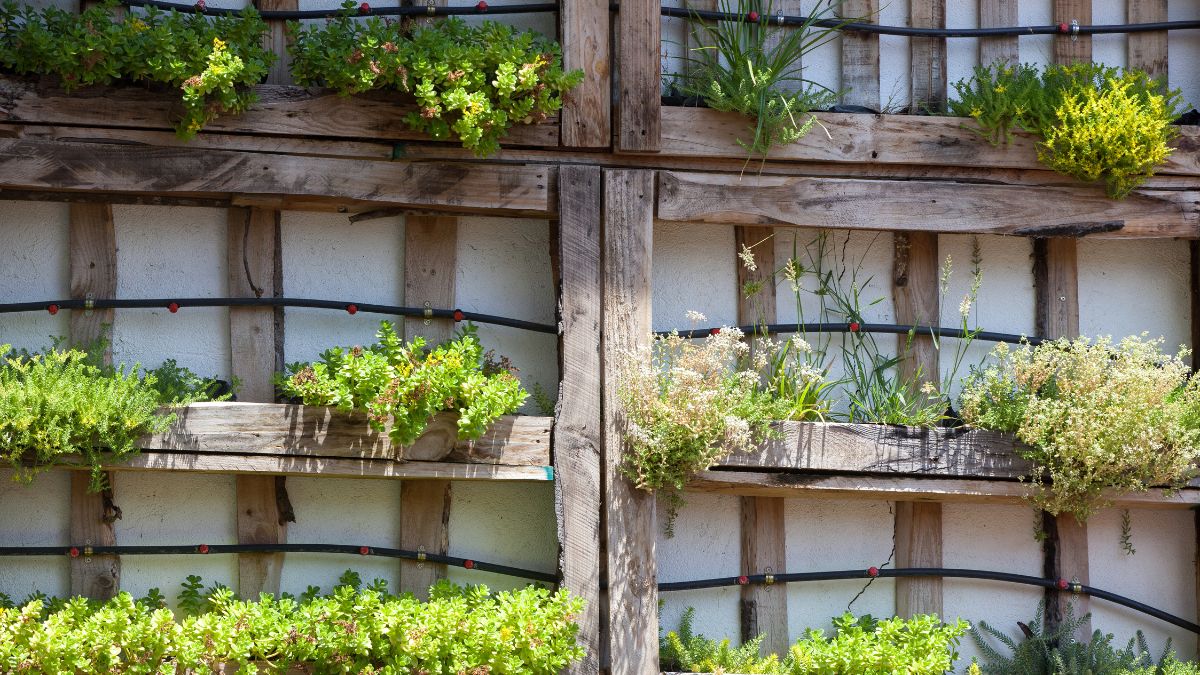
As urban areas expand and living spaces shrink, gardening enthusiasts are turning to vertical gardening systems to maximize space and grow lush, productive plants. Vertical gardening is an innovative approach that allows you to cultivate vegetables, herbs, flowers, and even fruits in compact spaces, such as balconies, patios, and small yards. By growing upward instead of outward, these systems make gardening accessible to people living in apartments or homes with limited outdoor areas.
Vertical gardening systems aren’t just space-saving—they also bring aesthetic appeal, better plant health, and easier maintenance. Whether you’re a seasoned gardener or a complete beginner, vertical gardening offers endless possibilities. In this guide, we’ll explore various vertical gardening systems, their benefits, and how you can create one to suit your needs.
Wall-Mounted Planters

Wall-mounted planters are one of the most popular vertical gardening systems, especially for small spaces like balconies or urban backyards. These systems involve attaching planter boxes or pockets to a wall, allowing plants to grow upward while saving floor space.
Wall-mounted planters come in various styles and materials, from wooden boxes to fabric pockets. To set up this system, start by choosing a sturdy wall that receives sufficient sunlight. Install hooks or brackets, then attach your chosen planters. Fill them with soil and plant your desired crops, such as herbs, flowers, or small vegetables. Ensure the wall can handle the weight of the planters and watered soil to avoid damage.
One of the main advantages of wall-mounted planters is their versatility. You can create intricate designs by arranging the planters in patterns, turning a plain wall into a green masterpiece. However, keep in mind that plants in wall-mounted systems may dry out faster, so regular watering and monitoring are essential for success.
Trellises and Arbors
Trellises and arbors are classic vertical gardening systems that work beautifully for climbing plants like tomatoes, beans, cucumbers, and ornamental flowers. These structures provide sturdy support for plants to grow upward, improving air circulation and sunlight exposure while preventing soil-borne diseases.
To create a trellis, you can use materials like wood, metal, or even repurposed items such as old ladders. Position the trellis near your planting area and train your plants to climb using soft ties or clips. For an arbor, place the structure over a walkway or garden entrance and grow climbing plants along its sides to create a stunning, natural arch.
The key to successful trellis or arbor gardening is selecting plants that naturally grow upward or can be trained to do so. These systems not only save space but also make harvesting easier and enhance your garden’s aesthetic appeal. For heavier crops like melons, consider adding slings or nets for extra support to avoid damaging the vines.
Vertical Hydroponic Systems

Vertical hydroponic systems are a high-tech solution for growing plants without soil, making them ideal for urban gardeners looking for efficiency and innovation. These systems use water mixed with nutrient solutions to nourish plants, which are grown in stacked containers or pipes.
Setting up a vertical hydroponic system requires some initial investment. You’ll need materials like PVC pipes, a water reservoir, a pump, and a growing medium like coconut coir or rockwool. Plants are placed in individual holes along the vertical pipes, and nutrient-rich water is circulated through the system. LED lights can also be used to supplement natural sunlight in indoor setups.
The main advantage of vertical hydroponics is its ability to grow a large number of plants in a small space while conserving water and eliminating soil-borne pests. This system is perfect for tech-savvy gardeners who want to grow year-round. However, it does require regular monitoring of water levels, pH, and nutrient concentrations to ensure optimal plant growth.
Living Walls
Living walls, also known as green walls or vertical gardens, are stunning vertical gardening systems that can transform indoor or outdoor spaces into lush, green oases. These systems use modular panels or frames filled with plants to cover entire walls, offering a combination of functionality and visual appeal.
To create a living wall, start with a frame or panel system designed to hold soil or hydroponic growing media. Attach the structure to a sturdy wall and plant a mix of ornamental flowers, succulents, or even edible plants like lettuce and herbs. Living walls often include built-in irrigation systems to ensure even watering and reduce maintenance.
Living walls are excellent for improving air quality, insulating buildings, and enhancing the aesthetic value of your space. They’re commonly used in commercial buildings, but smaller versions can be created for home use. Keep in mind that maintaining a living wall requires regular pruning, watering, and monitoring for pests or diseases.
Stackable Planters

Stackable planters are an affordable and space-efficient vertical gardening solution that works well for beginners and experienced gardeners alike. These systems consist of tiered pots or containers stacked on top of one another, creating a compact tower of plants.
To set up stackable planters, start by purchasing or assembling a planter tower. Fill each tier with soil and plant herbs, strawberries, flowers, or leafy greens. Ensure the base of the planter is stable to prevent tipping, especially if placed in windy areas. Some stackable systems also include built-in watering reservoirs to simplify irrigation.
One of the best things about stackable planters is their portability. You can easily move them to different locations to optimize sunlight exposure. These systems are ideal for patios, balconies, or small yards, offering a simple way to grow multiple plants in a small footprint.
Hanging Gardens
Hanging gardens are a creative and visually appealing way to incorporate vertical gardening into your home. This system uses hanging pots, baskets, or grow bags suspended from ceilings, railings, or sturdy beams to create cascading greenery.
Choose lightweight containers with drainage holes to prevent overwatering, and hang them at varying heights to create a layered effect. Popular plants for hanging gardens include ferns, trailing vines, and small flowering plants. For edible options, consider herbs like mint, basil, or parsley, which thrive in smaller containers.
Hanging gardens are perfect for adding greenery to balconies, patios, or even indoor spaces. They’re easy to set up and maintain, but you’ll need to ensure the hanging points are strong enough to support the weight of the plants and soil. Regular watering and occasional fertilization will keep your hanging garden thriving.
Pallet Gardens

Pallet gardens are an upcycled vertical gardening system that’s both eco-friendly and budget-conscious. Wooden pallets are repurposed into vertical planters by attaching pockets or lining the slats with fabric to hold soil and plants.
To create a pallet garden, start by selecting a clean, untreated pallet. Secure landscaping fabric or plastic sheeting to the back and sides to create planting pockets. Fill these pockets with soil and plant herbs, flowers, or small vegetables. Lean the pallet against a sturdy surface or mount it on a wall for added stability.
Pallet gardens are highly customizable and can be painted or decorated to match your outdoor aesthetic. They’re perfect for small spaces and allow you to grow multiple plants without taking up much room. However, ensure proper drainage to prevent waterlogging and inspect the pallet regularly for signs of rot or pests.
Tiered Garden Beds
Tiered garden beds are a step-like vertical gardening system that maximizes planting space while providing easy access for maintenance. These beds are typically built using wood, metal, or stone, with each tier dedicated to different types of plants.
To construct a tiered garden bed, choose a sunny location and decide on the number of tiers based on the available space and your gardening goals. Start with the largest tier at the base and gradually build smaller tiers upward. Fill each section with soil and plant a mix of vegetables, herbs, or flowers to create a visually appealing and productive garden.
Tiered garden beds are ideal for gardeners with uneven terrain or sloped yards, as they can help prevent soil erosion and improve water retention. They’re also a great way to organize plants by size or growth habits, ensuring that all receive adequate sunlight.
Conclusion
Vertical gardening systems offer endless opportunities to grow more plants in less space while adding beauty and functionality to your home. Whether you opt for wall-mounted planters, living walls, hydroponic systems, or tiered beds, each method provides unique benefits and can be tailored to your needs. With a little creativity and effort, you can transform even the smallest space into a thriving garden.


