
Balcony Vegetable Gardening

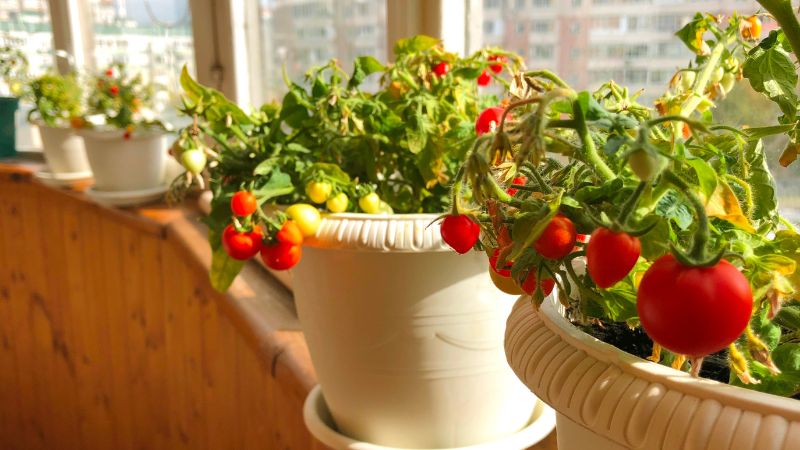
Balcony vegetable gardening is a fantastic way to grow fresh, organic produce even if you have limited space. Whether you live in an apartment or a home without a yard, a balcony can serve as a mini garden where you cultivate your favorite vegetables. With some planning, the right containers, and a bit of creativity, you can transform your balcony into a productive and beautiful space.
To make the most of your balcony garden, consider factors like sunlight, wind exposure, and space constraints. Choose vegetables that thrive in smaller spaces and adapt well to container gardening. By using vertical gardening techniques and maximizing your available area, you can grow a surprising amount of produce right outside your door.
Choosing the Right Containers for Balcony Gardening
Selecting the right containers is crucial for a successful balcony vegetable garden. Containers should provide enough space for roots to grow and allow proper drainage to prevent waterlogging. Popular options include pots, grow bags, and even repurposed items like buckets or crates.
Plastic pots are lightweight and easy to move, making them ideal for balconies. They come in various sizes and colors, allowing you to customize your garden’s look. Grow bags are another excellent option, especially for larger vegetables like tomatoes or potatoes. These fabric containers promote healthy root development and are reusable season after season.
Terracotta pots are aesthetically pleasing and durable, but they can dry out quickly in sunny locations. To retain moisture, consider using a plastic liner or selecting self-watering containers. No matter the type of container, ensure it has drainage holes to avoid root rot and waterlogged soil.
Sunlight Requirements for Balcony Gardens
Understanding sunlight exposure is essential for growing vegetables on a balcony. Most vegetables require at least six hours of direct sunlight per day, though some leafy greens and herbs can tolerate partial shade.
If your balcony faces south or west, you’ll have ample sunlight for sun-loving crops like tomatoes, peppers, and cucumbers. East-facing balconies receive gentle morning light, which is suitable for greens like spinach and lettuce. North-facing balconies, with limited sunlight, are best suited for shade-tolerant crops such as kale and parsley.
To optimize sunlight, consider using reflective surfaces or hanging mirrors to direct light to shaded areas. You can also rotate your pots periodically to ensure even exposure. Understanding your balcony’s light conditions will help you select the right vegetables and position them for optimal growth.
Vertical Gardening for Small Spaces
Vertical gardening is an excellent technique for maximizing space on a small balcony. By growing vegetables upward instead of outward, you can increase your planting area without crowding the floor space.
Trellises and stakes are great for supporting climbing vegetables like beans, peas, and cucumbers. These structures are easy to install and can be customized to fit your balcony’s layout. Hanging baskets are another space-saving option, perfect for growing trailing plants like cherry tomatoes or strawberries.
Wall-mounted planters and vertical gardening towers are modern solutions for small spaces. These systems allow you to grow multiple plants in a compact area, making them ideal for balconies with limited floor space. With vertical gardening, you can create a lush, productive garden even in tight quarters.
Best Vegetables for Balcony Gardening
Choosing the right vegetables is key to a successful balcony garden. Look for crops that grow well in containers and don’t require extensive root space. Popular choices include tomatoes, peppers, lettuce, and radishes.
Tomatoes are a staple for balcony gardens and come in compact varieties like cherry or dwarf tomatoes. They thrive in containers and produce abundant fruit when provided with adequate sunlight and water. Peppers, both sweet and spicy, are another excellent choice, offering vibrant colors and a rich flavor.
Leafy greens like lettuce and spinach grow quickly and can be harvested multiple times throughout the season. Radishes are perfect for beginners, as they mature rapidly and require minimal space. By selecting versatile, easy-to-grow vegetables, you can enjoy a productive balcony garden.
Soil and Fertilizer for Balcony Gardens
Healthy soil is the foundation of any successful garden, and balcony gardening is no exception. Use high-quality potting soil that is lightweight and well-draining, as traditional garden soil is often too heavy for containers.
To ensure nutrient-rich soil, consider adding compost or organic fertilizers. Compost provides essential nutrients while improving soil structure and water retention. Liquid fertilizers, applied every few weeks, can boost plant growth and productivity. Look for fertilizers tailored to vegetable gardening for the best results.
Regularly check your soil’s moisture levels, as containers can dry out faster than garden beds. Mulching the surface of the soil can help retain moisture and regulate temperature. With proper soil care, your balcony garden will flourish.
Watering Techniques for Balcony Gardening
Watering is one of the most important aspects of balcony gardening. Containers dry out more quickly than garden beds, especially in sunny or windy conditions, so consistent watering is essential.
Water your plants early in the morning to reduce evaporation and ensure they have enough moisture to withstand the day. Use a watering can with a narrow spout to target the base of plants and avoid wetting the foliage, which can lead to fungal diseases.
For added convenience, consider installing a drip irrigation system. These systems deliver water directly to the roots and can be automated for consistent watering. Monitoring soil moisture and adjusting your watering routine will keep your plants healthy and thriving.
Dealing with Wind and Weather on Balconies
Balconies are often exposed to wind and weather, which can impact your vegetable garden. Strong winds can damage plants, dry out soil, and make it challenging for crops to thrive.
To protect your plants, use windbreaks such as lattice screens, fabric barriers, or strategically placed furniture. Secure taller plants to stakes or supports to prevent them from toppling over. For delicate crops, consider using cloches or mini greenhouses to shield them from harsh weather.
If your balcony is exposed to heavy rain, ensure your containers have adequate drainage to prevent waterlogging. By preparing for weather challenges, you can create a stable environment for your vegetables.
Pest Management in Balcony Gardens
Even balcony gardens are not immune to pests. Common issues include aphids, whiteflies, and caterpillars, which can damage your plants if left unchecked.
Introduce beneficial insects like ladybugs or use organic pest control methods, such as neem oil or insecticidal soap. Regularly inspect your plants for signs of pests, such as holes in leaves or sticky residue. Removing affected leaves or spraying with a homemade soap solution can also help control infestations.
Encourage natural pest deterrents by planting companion crops like marigolds or basil, which repel harmful insects. By staying vigilant, you can keep your balcony garden pest-free and healthy.
Herbs for Balcony Gardens
Herbs are a wonderful addition to any balcony garden, offering fresh flavors and aromatic scents. Many herbs grow well in containers and require minimal maintenance, making them ideal for small spaces.
Basil is a popular choice for balcony gardens, thriving in warm, sunny conditions. It pairs well with vegetables like tomatoes and can be harvested throughout the growing season. Mint is another excellent option, but it’s best grown in its own container as it can spread aggressively.
Chives and parsley are versatile herbs that grow well in partial shade and add a fresh touch to dishes. With a variety of herbs, your balcony garden can provide both culinary and decorative benefits.
Companion Planting on Balconies
Companion planting is a gardening technique that involves pairing plants to benefit each other. On a balcony, this can maximize space and improve plant health.
For example, planting marigolds alongside vegetables can deter pests and enhance growth. Basil and tomatoes are another classic pairing, with basil repelling pests and improving the flavor of tomatoes. Lettuce and radishes grow well together, as lettuce provides shade for radish roots.
Experiment with different combinations to find what works best for your space and crops. Companion planting can create a harmonious and productive balcony garden.
Extending the Growing Season
With the right strategies, you can extend the growing season and enjoy fresh vegetables for longer. Season extenders like row covers, cloches, or portable greenhouses protect plants from cold temperatures and frost.
Consider planting cold-hardy vegetables like kale or spinach, which can withstand cooler weather. You can also start seeds indoors and transfer seedlings to your balcony when conditions are favorable. By planning ahead, you can maximize your garden’s productivity well into the colder months.
Benefits of Balcony Vegetable Gardening
Balcony vegetable gardening offers numerous benefits beyond fresh produce. It promotes sustainability, reduces food waste, and provides a sense of accomplishment.
Gardening also improves mental health, reducing stress and increasing mindfulness. Having a green space on your balcony enhances your living area and creates a relaxing environment. Whether you’re growing for food, decoration, or personal satisfaction, balcony gardening is a rewarding hobby for any space.