Home Vegetable Garden ROI: 2026 Statistics & Savings

Growing your own food is one of the most practical financial decisions a household can make, and understanding home vegetable garden ROI transforms gardening from a hobby into a measurable investment. Every seed planted, every bed prepared, and every harvest collected has a dollar value attached to it — and when tracked carefully, the numbers are often surprisingly favorable. The gap between what you spend at a grocery store and what you spend growing the same produce at home is where real savings live.
This guide breaks down the economics of home vegetable gardening from every practical angle. Whether you have a sprawling backyard plot or a few containers on a balcony, the principles of return on investment apply equally. Understanding your costs, your yields, and your timing is the foundation of a garden that genuinely pays for itself — and then some.
Understanding Home Vegetable Garden Economics
A vegetable garden is an investment vehicle with inputs and outputs, just like any financial asset. Your inputs are seeds, soil, water, tools, and time — your outputs are harvested produce with a direct market equivalent value.
The core calculation is straightforward: total the retail price of everything you harvest, then subtract your total costs. Most experienced gardeners report positive returns within the first full growing season, with returns improving dramatically in subsequent years as infrastructure costs are already paid.
Tracking every harvest by weight and comparing it to current grocery store prices is the most accurate method. Even rough tracking consistently reveals that homegrown produce delivers strong value per square foot of growing space.
High-Yield Vegetables for Maximum Returns
Not all vegetables deliver equal financial returns. Crops like tomatoes, zucchini, lettuce, and herbs consistently rank among the highest-value plants relative to their growing cost and space requirements.
Herbs are particularly exceptional performers. A single basil plant purchased for under two dollars can produce enough leaves to replace dozens of store-bought packages worth several dollars each throughout a season.
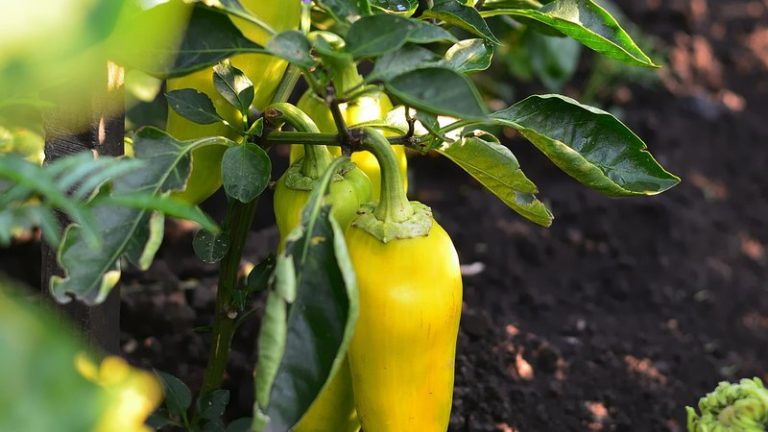
Tomatoes and peppers also deliver outstanding value, especially heirloom and specialty varieties that command premium prices at retail. Specialty squash varieties, such as those offered by Row 7 Seeds, can yield produce that sells for significantly more than commodity vegetables, making them smart choices for ROI-focused gardeners.
Initial Investment and Startup Costs
First-year costs are always the highest, and this is the primary reason many gardeners underestimate their long-term ROI. Raised bed lumber, soil, tools, irrigation hardware, and fencing are one-time or multi-year expenses that skew the first season’s numbers.
A basic raised bed setup for a beginner might cost between $200 and $600 in the first year. However, those same beds can produce harvests for ten or more years with minimal additional structural investment.
Amortizing your startup costs across multiple growing seasons reveals a far more favorable financial picture. Year two and beyond often show dramatically improved returns because the heavy infrastructure costs are already absorbed.
Cost Comparison: Homegrown Versus Store-Bought Produce
The price gap between homegrown and store-bought produce is substantial for many vegetables. Organic produce prices at retail are often two to four times higher than conventional equivalents, making organic home gardening especially profitable.
Canadian food price data consistently shows that fresh vegetables are among the most volatile grocery categories, with prices spiking seasonally. Growing your own insulates you from those spikes entirely.
The comparison becomes even more favorable when you account for quality. Homegrown produce is harvested at peak ripeness, which means less waste and higher nutritional density per dollar spent.
Space Efficiency and Cost Per Square Foot
Measuring ROI per square foot of growing space is one of the most useful metrics for home gardeners. It allows you to compare different crops and different garden configurations on equal footing.
Vertical growing methods dramatically improve space efficiency. Climbing vegetables like pole beans, cucumbers, and peas can produce yields per square foot of ground space that far exceed their sprawling counterparts.
Intensive planting methods, such as square foot gardening, can increase yields by up to four times compared to traditional row planting in the same area. This directly multiplies your return per square foot of invested space.
Container Gardening Versus In-Ground ROI
Container gardening typically has higher ongoing costs due to the need for potting mix, more frequent watering, and fertilization. However, it eliminates the need for land preparation and can be done virtually anywhere.
In-ground gardens generally deliver better long-term ROI because soil improves over time and water retention increases. The initial investment in soil amendment pays dividends across many seasons.
For renters or those with limited outdoor space, balcony vegetable gardening offers a viable path to positive returns. Focusing on high-value, compact crops like herbs, lettuce, and cherry tomatoes maximizes container garden profitability.
Time Investment and Labor Value
Labor is the most debated variable in home garden ROI calculations. If you assign your time a high hourly dollar value, many gardens appear unprofitable on paper.
However, most gardeners correctly treat their time as a recreational activity with a financial bonus, not as billable work hours. The health, stress-relief, and educational benefits are real but difficult to quantify in a spreadsheet.
Efficient garden design reduces labor dramatically. Mulching, drip irrigation, and raised beds can cut weekly maintenance time to under two hours for a moderately sized garden, making the time-to-value ratio highly favorable.
Pest Management and Its Impact on Profitability
Pest damage is a direct threat to garden ROI. A single aphid infestation or slug problem can wipe out an entire crop, eliminating weeks of potential harvest value in days.
Preventive pest management is far more cost-effective than reactive treatment. Companion planting, physical barriers, and regular scouting cost very little and protect significantly more value than they consume.
For gardeners dealing with persistent wildlife pressure, understanding rabbit resistant plants can help you design a garden that naturally defends itself, reducing both crop losses and the cost of protective measures.
Seasonal Price Fluctuations and Strategic Timing
Grocery store produce prices fluctuate significantly throughout the year. Growing crops that peak in price during their natural season maximizes the value of your harvest against market alternatives.
Tomatoes and peppers, for example, often command their highest retail prices in early summer before local farm supply catches up with demand. Timing your harvests to coincide with peak retail prices amplifies your effective savings.
Late-season and off-season crops also offer strong ROI opportunities. Cool-weather greens grown in fall and early spring often face less competition from local supply, keeping grocery prices elevated when your garden is still producing.
Preservation Methods for Extended Value
Preservation transforms a seasonal surplus into year-round savings. Canning, freezing, fermenting, and dehydrating extend the financial value of your harvest far beyond the growing season.
A single large tomato harvest, properly canned, can supply a household with crushed tomatoes, sauce, and whole tomatoes through the entire winter. The retail equivalent of a well-stocked preservation pantry can easily exceed $300 to $500 in grocery savings.
The equipment costs for preservation are also largely one-time investments. A quality canning setup or chest freezer pays for itself over multiple seasons of use.
Succession Planting for Continuous Harvests
Succession planting is one of the most powerful tools for maximizing garden ROI. By staggering planting dates, you extend your harvest window and avoid the feast-or-famine cycle of a single large planting.
Instead of planting all your lettuce at once, planting a new row every two to three weeks delivers fresh harvests continuously rather than one overwhelming glut. This directly translates to more consistent grocery savings throughout the season.
A well-executed succession planting plan can extend your harvest season by six to eight weeks compared to a single-planting approach, significantly increasing your total annual return.
Climate-Specific Vegetable Selection
Choosing crops well-suited to your local climate is essential for achieving strong ROI. Growing vegetables that struggle in your conditions leads to poor yields, wasted inputs, and negative returns.
Research on vegetable crops confirms that these plants are highly sensitive to temperature changes, and that selecting heat-resistant varieties is increasingly important as growing conditions shift. Aligning your crop selection with your local climate reality is a foundational ROI decision.
For gardeners in warming regions, exploring climate adaptation strategies can help identify which crops will continue to perform well and which may need to be replaced with more resilient alternatives over time.
Seed Saving Economics for Repeat Seasons
Seed saving is one of the most underutilized strategies for improving long-term garden ROI. Open-pollinated and heirloom varieties produce seeds that can be saved, dried, and replanted the following season at zero additional cost.
A packet of quality heirloom tomato seeds might cost $4 to $6. A single saved seed envelope from one season’s harvest can supply all the seeds needed for the next season and beyond, effectively reducing your seed costs to near zero over time.
Hybrid varieties do not reliably reproduce true to type from saved seeds, which is why selecting open-pollinated varieties is a deliberate financial strategy for ROI-conscious gardeners.
Year-Round Indoor Gardening with Hydroponics and Grow Lights
Indoor growing systems extend the productive season to twelve months, dramatically increasing annual yield and ROI potential. Hydroponic setups and grow lights have become far more affordable and energy-efficient in recent years.
The key to positive ROI with indoor systems is focusing on high-value crops. Lettuce, herbs, and microgreens grow quickly, require minimal space, and carry high retail prices relative to their production cost indoors.
Energy costs are the primary variable to manage in indoor growing. LED grow lights now consume roughly half the energy of older HID systems while delivering equivalent or superior plant growth, significantly improving the economics of year-round indoor production.
Soil Amendment Costs and Multi-Year ROI Calculations
Soil is your garden’s most important long-term asset. Investing in soil quality upfront through compost, organic matter, and balanced amendments creates compounding returns across many growing seasons.
A well-maintained composting system dramatically reduces ongoing soil amendment costs. Using a dedicated compost bin at home converts kitchen and garden waste into premium soil amendment at essentially zero cost, replacing bagged compost that can cost $15 to $30 per cubic foot at retail.
Soil that has been improved over three or more seasons consistently outperforms new soil in yield, water retention, and disease resistance — all of which directly improve your financial returns without proportional increases in cost.
Microgreens and Specialty Crops for Higher Margins
Microgreens represent one of the highest-margin crops available to home gardeners. They grow in one to two weeks, require minimal space, and carry retail prices of $25 to $50 per pound at specialty grocery stores.
Sunflower, pea, radish, and broccoli microgreens are among the most productive and flavorful varieties for home production. A single 10-by-20-inch tray can produce a harvest worth $15 to $25 at retail prices.
Microgreens deliver more financial return per square foot than virtually any other vegetable crop, making them an ideal addition for any gardener focused on maximizing ROI in limited space.
Beginner Versus Experienced Gardener Returns
First-year gardeners typically see lower returns due to learning curves, crop failures, and overbuying supplies. This is normal and expected — it does not mean the garden is a poor investment.
Experienced gardeners who have optimized their crop selection, timing, and soil management often report returns of $500 to $1,500 or more per season from a modest backyard plot. The learning curve itself has measurable financial value as each season’s lessons translate directly into higher yields and lower costs.
Avoiding common errors from the start accelerates the path to profitability. Reviewing vegetable gardening mistakes before you plant can save significant money and frustration in your first and second seasons.
Measuring Your Garden’s Financial Performance
Tracking your garden’s performance does not require complex software. A simple spreadsheet recording your costs, harvest weights, and equivalent retail prices gives you all the data needed to calculate your real return.
Household demographic data shows that a significant portion of households have access to outdoor space suitable for food production, yet most of that potential growing area remains unused. The opportunity cost of unplanted space is real and quantifiable.
The most important metric is your net savings per growing season, calculated year over year. As your soil matures, your skills sharpen, and your infrastructure costs disappear into the past, that number should grow consistently — turning your garden into one of the most reliable financial assets on your property.