25 Crops You Can Grow In Buckets All Year Round

Growing crops in buckets is an easy and space-saving way to enjoy fresh produce year-round, no matter where you live. Whether you have a small balcony, a backyard, or just a sunny indoor spot, buckets provide a flexible and portable gardening solution. With the right soil, drainage, and care, many vegetables, fruits, and herbs thrive in containers.
Buckets allow you to control soil quality, minimize weeds, and even extend your growing season by moving plants indoors during colder months. From leafy greens to root vegetables, here are 25 crops that can grow successfully in buckets throughout the year.
Tomatoes
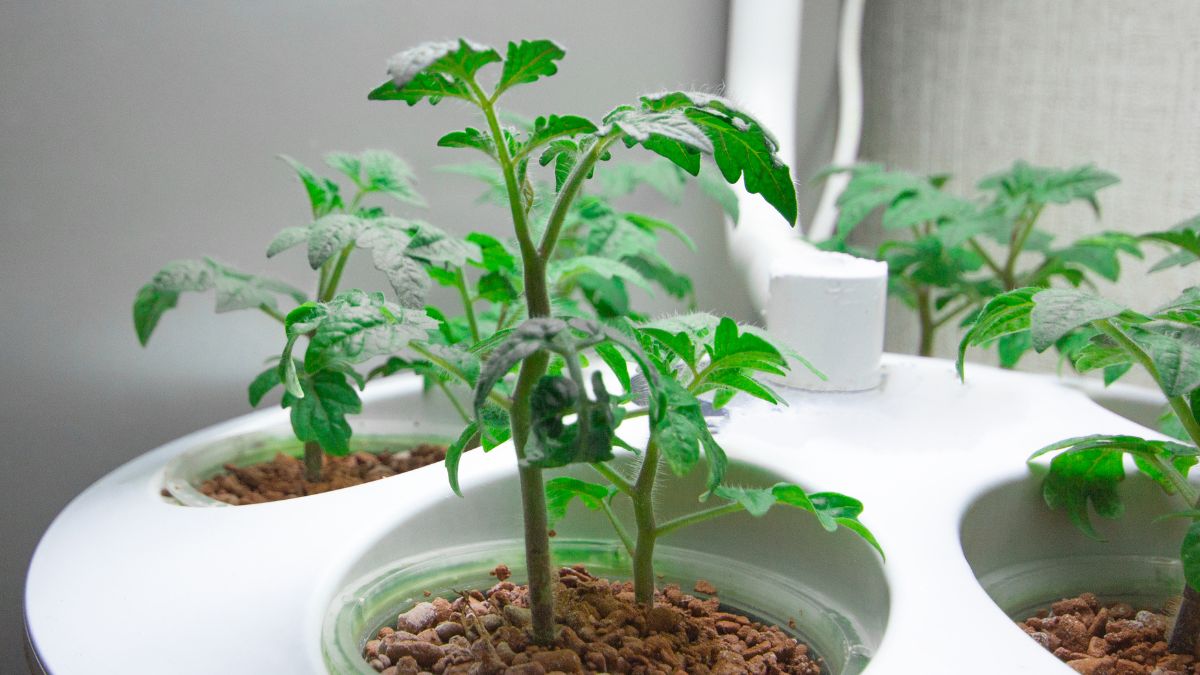
Tomatoes are one of the best crops for bucket gardening. They grow well in containers, provided they have enough space for their roots and support for their vines. Use a five-gallon bucket with drainage holes and plant determinate (bush) varieties for easier management.
Make sure to place the bucket in a sunny location and water consistently to prevent cracking and blossom end rot. Adding a stake or cage will help keep the plant upright as it grows.
Tomatoes thrive in warm temperatures and can produce fruit year-round indoors with sufficient light. Cherry and patio varieties work exceptionally well for container gardening.
Lettuce
Lettuce grows quickly and easily in buckets, making it an excellent choice for year-round harvesting. It doesn’t require deep soil, so even a smaller bucket can support healthy growth.
Plant different varieties like romaine, butterhead, or loose-leaf to enjoy a mix of textures and flavors. Keep the soil moist and place the bucket in partial sunlight for the best results.
Since lettuce grows fast, you can harvest leaves as needed, allowing the plant to continue producing new growth for weeks.
Carrots
Carrots do well in buckets, especially shorter or round varieties that don’t require deep soil. Use a well-draining soil mix and make sure your bucket is at least 12 inches deep.
Sow seeds directly into the soil and keep it consistently moist until germination occurs. Carrots need full sun to develop properly, so position the bucket in a bright spot.
Growing carrots in buckets helps protect them from pests and soil-borne diseases, giving you cleaner and healthier produce.
Spinach
Spinach is a great leafy green that thrives in buckets, especially in cooler temperatures. It doesn’t require much space and grows quickly, allowing for multiple harvests throughout the year.
Provide nutrient-rich soil and water regularly to keep the leaves tender and fresh. A bucket placed in partial sun or light shade will encourage steady growth.
Harvest outer leaves as needed, and the plant will continue producing new ones, ensuring a continuous supply of fresh spinach.
Peppers
Peppers, both sweet and hot varieties, grow well in buckets as long as they have enough warmth and sunlight. A five-gallon bucket is ideal, providing sufficient room for root development.
Peppers need at least six hours of sunlight daily and consistent watering to produce healthy fruits. Supporting the plant with a small stake can help prevent it from tipping over.
With proper care, pepper plants can produce fruit continuously, making them an excellent choice for bucket gardening.
Radishes
Radishes are fast-growing root vegetables that thrive in shallow soil, making them perfect for bucket gardening. A container at least six inches deep is enough to support healthy root development.
These crops mature quickly, often within 30 days, allowing for multiple harvests throughout the year. Keep the soil moist and position the bucket in a sunny or partially shaded spot.
Radishes are great for small spaces and add a peppery crunch to salads and dishes.
Green Onions
Green onions are one of the easiest crops to grow in buckets. They don’t require much space, and you can start them from kitchen scraps by placing the white root ends in soil or water.
These onions grow well in partial sun and need regular watering to stay fresh. You can harvest them as needed by cutting the green tops while allowing the roots to continue producing.
Since they regrow quickly, green onions provide a continuous supply of fresh flavor for cooking.
Cucumbers
Cucumbers can thrive in buckets, especially smaller bush varieties that don’t require a lot of space. Use a deep container and provide a trellis or stake to support the vines.
Ensure the plant gets plenty of sunlight and consistent watering, as cucumbers need moisture to develop properly. Fertilizing occasionally will help encourage better fruit production.
Harvest cucumbers regularly to keep the plant producing fresh, crisp fruits.
Kale
Kale is a hardy leafy green that does well in containers, growing best in cooler temperatures. A deep bucket with well-draining soil will support its growth year-round.
This nutrient-rich green needs full to partial sunlight and regular watering to keep the leaves tender. Harvest outer leaves as needed while allowing the inner ones to continue growing.
Kale is packed with vitamins and antioxidants, making it a great addition to homegrown meals.
Strawberries
Strawberries adapt well to bucket gardening, producing fresh fruit year-round when given proper care. Use a wide bucket and plant everbearing or day-neutral varieties for continuous harvests.
These plants need plenty of sunlight and well-draining soil to thrive. Keep them watered consistently, but avoid overwatering to prevent root rot.
Strawberries can be grown indoors near a sunny window or outdoors during warmer months for the best results.
Potatoes
Potatoes grow well in buckets, especially when using a deep container. Start by planting seed potatoes in nutrient-rich soil and covering them with a few inches of dirt.
As the plant grows, continue adding soil around the stems to encourage more tuber development. Keep the bucket in a sunny location and water regularly.
After a few months, you can harvest fresh potatoes by simply dumping out the soil and collecting your crop.
Zucchini
Zucchini is another crop that thrives in buckets, provided it has enough space for root development. Choose a large container and place it in a sunny area for the best results.
This fast-growing vegetable needs regular watering and occasional fertilizing to support fruit production. Supporting the plant with a small trellis can help manage its sprawling vines.
Harvest zucchinis when they’re small for the best texture and flavor.
Garlic
Garlic can be grown in buckets by planting individual cloves in well-draining soil. A deep container is best, as garlic develops underground bulbs over several months.
Ensure the bucket gets full sunlight, and keep the soil consistently moist but not soggy. Garlic takes time to mature, but the fresh, homegrown bulbs are worth the wait.
You can also harvest garlic greens for a mild onion-like flavor while waiting for the bulbs to develop.
Beets
Beets grow well in buckets, especially round varieties that don’t need deep soil. Use a container at least 10 inches deep and provide consistent watering for proper root formation.
Beets prefer cool temperatures, making them ideal for year-round growing. Ensure the bucket gets enough sunlight for steady growth.
Both beet roots and greens are edible, providing a dual-purpose crop for home gardeners.
Celery
Celery is another crop that can grow in buckets, either from seeds or kitchen scraps. It needs a deep container and plenty of moisture to develop crisp stalks.
Position the bucket in a sunny area and water frequently, as celery prefers consistently damp soil. Harvest stalks as needed, allowing new growth to continue.
Growing celery at home ensures a steady supply of fresh, flavorful stalks for cooking.
Peas
Peas are an excellent crop for bucket gardening, especially when given a trellis or stake to climb. They don’t require deep soil, but they do need support to grow vertically, making them a great choice for saving space.
For best results, place your bucket in a sunny location and keep the soil moist but not waterlogged. Peas prefer cooler temperatures, so they thrive in early spring and fall, but they can also grow indoors year-round with sufficient light.
Once the plants begin to produce, pick the pods regularly to encourage continued growth. Homegrown peas taste incredibly sweet and fresh, making them a great addition to salads, stir-fries, or eaten straight off the vine.
Eggplant
Eggplant grows well in deep containers, making buckets an ideal growing environment. A five-gallon bucket provides enough space for the roots to spread, while good drainage ensures healthy development.
This crop loves warm temperatures and plenty of sunlight, so place your bucket in a sunny spot. Water consistently to keep the soil moist, but avoid overwatering to prevent root rot. Eggplants also benefit from occasional fertilization for strong growth.
With proper care, eggplant plants produce an abundance of fruit throughout the growing season. Compact varieties like ‘Patio Baby’ or ‘Fairy Tale’ are great for container gardening.
Basil
Basil is one of the easiest herbs to grow in a bucket, providing fresh leaves for cooking year-round. It thrives in warm conditions and doesn’t require deep soil, making a small to medium-sized bucket sufficient.
Keep your basil in a sunny location, preferably near a window if growing indoors. Water it regularly and pinch off flowers to encourage more leaf production. Basil can also be grown alongside tomatoes for a complementary pairing.
This herb is perfect for making fresh pesto, adding to salads, or enhancing pasta dishes. Having a constant supply of basil means you can enjoy its fragrant flavor whenever you need it.
Swiss Chard
Swiss chard is a nutrient-rich leafy green that grows well in containers. It doesn’t require much space, making it perfect for a bucket garden. A deep container with good drainage will allow for healthy root development.
This crop can tolerate both cool and warm temperatures, making it a great year-round option. Swiss chard needs consistent watering and partial to full sunlight to thrive. Regularly harvesting outer leaves will encourage continued growth.
With its vibrant stems and nutritious leaves, Swiss chard is an excellent addition to soups, sautés, and salads. It’s also packed with vitamins, making it a superfood worth growing.
Bell Peppers
Bell peppers are a great bucket-friendly crop, producing colorful, sweet fruits when given proper care. They require a five-gallon bucket for optimal root space and plenty of sunlight to develop properly.
These plants need warm temperatures and regular watering to thrive. Using a stake or small cage can help support their growth, especially when the fruits start to form. Fertilizing occasionally will also improve fruit production.
Bell peppers come in a variety of colors, including red, yellow, orange, and green, making them a versatile and tasty addition to homegrown meals.
Broccoli
Broccoli is a cool-weather crop that can grow in buckets as long as the container is deep enough to accommodate its roots. A five-gallon bucket is ideal for a single plant, providing space for proper growth.
Place your broccoli bucket in a sunny area and keep the soil evenly moist. Since broccoli prefers cooler temperatures, it does best in early spring or fall but can be grown indoors with sufficient lighting.
Harvesting broccoli at the right time ensures the best flavor. If left too long, the florets will start to flower, so pick them when they are still tight and firm.
Cauliflower
Cauliflower is another cool-season vegetable that does well in bucket gardening. Like broccoli, it requires a deep container and plenty of room for root development.
Provide consistent watering and place the bucket in full sun for optimal growth. Since cauliflower heads are sensitive to too much sunlight, you can loosely tie the leaves over the developing head to protect it.
Once the head reaches the desired size, harvest it before the florets start to spread. Homegrown cauliflower is delicious in roasted dishes, soups, and even mashed as a low-carb alternative.
Parsley
Parsley is a hardy herb that grows quickly in buckets and continues producing fresh leaves when harvested regularly. It doesn’t require much space, making it perfect for small container gardens.
This herb prefers full to partial sun and consistent moisture. Keep the soil well-drained to prevent waterlogging, and trim the outer leaves as needed to encourage new growth.
Fresh parsley enhances the flavor of soups, salads, and sauces. Growing your own ensures a steady supply of this versatile herb right at your fingertips.
Dill
Dill thrives in buckets when placed in a sunny location with well-draining soil. It grows quickly and produces flavorful leaves that can be used fresh or dried for seasoning.
Since dill has a long taproot, a deep bucket is recommended for best results. Water regularly, but avoid overwatering to prevent root rot. The plant can become top-heavy, so providing some light support may help.
Dill is great for pickling, seasoning fish, and adding a fresh, tangy taste to salads. Harvesting leaves regularly encourages continued growth, ensuring a steady supply of this aromatic herb.
Cilantro
Cilantro is an easy-to-grow herb that does well in buckets, providing fresh leaves for cooking. It prefers cooler temperatures, so growing it indoors can extend its harvest season.
Plant cilantro in a well-draining soil mix and place the bucket in a location with partial to full sun. Water consistently to keep the leaves fresh and flavorful. Since cilantro grows quickly, regular harvesting will help prevent it from bolting too soon.
This herb is a staple in Mexican, Indian, and Asian cuisine, adding a bold, citrusy flavor to dishes. Freshly grown cilantro is far more flavorful than store-bought varieties.