Can Geraniums Live in Water? Complete Guide

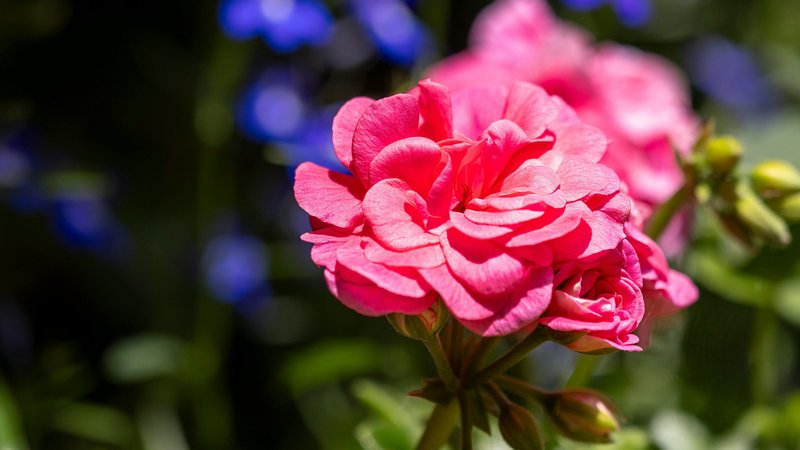
Many gardeners wonder: can geraniums live in water? The short answer is yes — and with the right setup, they can do remarkably well. Whether you are rooting a cutting or exploring a full hydroponic system, water-based growing offers a surprisingly practical path for these popular flowering plants.
Geraniums are adaptable plants that respond well to moisture-rich environments as long as their roots receive adequate oxygen. Understanding their specific needs — from nutrient balance to aeration — is what separates a thriving water-grown geranium from one that struggles. This guide walks you through everything you need to know.
Understanding Geranium Water Requirements
Geraniums prefer consistently moist conditions but are highly sensitive to waterlogged roots. Their need for well-drained, aerated growing conditions is the key factor that makes hydroponic systems a viable alternative to traditional soil.
Research on zonal geraniums shows that irrigation levels directly impact growth, photosynthesis, stomatal conductance, and water potential. This means water quantity and quality are not trivial details — they are central to plant performance.
Overwatering in soil causes root suffocation, which is why water-based systems with proper oxygen delivery can actually outperform poorly managed soil setups. The goal is always moist roots, never stagnant ones.
Hydroponic Growing Systems for Geraniums
Geraniums are excellent candidates for hydroponic cultivation because they need plenty of air, water, and nutrients — all of which a well-designed hydroponic system delivers efficiently. Deep water culture (DWC) and nutrient film technique (NFT) are two of the most effective systems for these plants.
In a DWC system, roots are suspended in an oxygenated nutrient solution. An air pump keeps the water moving, preventing stagnation and delivering the oxygen geraniums need to thrive.
If you enjoy growing other plants indoors using water-based methods, explore this guide on herbs grown in water for complementary inspiration.
Transitioning Geraniums from Soil to Water
Moving a geranium from soil to a water-based system requires careful root preparation. Rinse all soil from the roots completely — even small amounts of residual soil can introduce bacteria and disrupt the nutrient solution.
After cleaning, allow the roots to air-dry briefly before submerging them. This short drying period helps harden the root tips slightly, reducing the risk of shock or rot during the initial transition phase.
Expect a short adjustment period of one to two weeks where growth may slow. This is normal as the plant adapts its root structure from a soil-based form to a water-adapted form.
Nutrient Solutions and Fertilization in Water Systems
In soil, nutrients are naturally present and slowly released. In water systems, you must supply them directly through a balanced liquid nutrient solution. A general-purpose hydroponic fertilizer with nitrogen, phosphorus, and potassium is the foundation of healthy water-grown geraniums.
Geraniums are moderate feeders. Avoid over-fertilizing, as excess nutrients cause salt buildup that can burn roots and stunt growth. Flushing the system with plain water every two to three weeks helps prevent this.
Monitor the electrical conductivity (EC) of your solution regularly. Watering resources from trusted gardening authorities recommend keeping EC levels within a moderate range suitable for flowering plants.
Oxygen and Aeration in Water-Based Cultivation
Oxygen is arguably the most critical factor in water-grown geranium success. Without adequate dissolved oxygen, roots suffocate quickly — a problem that does not exist in well-aerated soil.
An aquarium air pump with an air stone is the simplest and most reliable way to oxygenate your nutrient solution. Run it continuously, especially in warmer environments where oxygen dissolves less readily in water.
Water temperature also affects oxygen levels. Cooler water holds more dissolved oxygen, so keeping your reservoir between 65°F and 72°F (18°C–22°C) creates optimal root zone conditions.
Preventing Root Rot and Disease in Water Environments
Root rot is the most common threat to water-grown geraniums and is almost always caused by insufficient oxygen or contaminated water. Keep your reservoir clean, dark, and well-aerated at all times to prevent fungal and bacterial growth.
Light exposure to the nutrient solution promotes algae growth, which competes with roots for oxygen. Use an opaque container or wrap your reservoir to block light entirely.
If you notice slimy, brown, or foul-smelling roots, act immediately. Remove affected roots, clean the reservoir thoroughly, and refresh the nutrient solution before reintroducing the plant.
Propagation Success Rates in Water Versus Soil
Water propagation is one of the easiest and most reliable ways to root geranium cuttings. A healthy cutting placed in a clean glass of water will typically develop visible roots within two to four weeks under bright indirect light.
Use cuttings that are three to five inches long, taken just below a leaf node, and remove all lower leaves before placing them in water. This prevents leaf decay from contaminating the water.
Compared to soil propagation, water rooting offers a clear visual advantage — you can monitor root development directly. This makes it especially beginner-friendly and ideal for those new to plant propagation.
Long-Term Viability of Water-Grown Geraniums
Geraniums can live and bloom in water-based systems for extended periods when conditions are properly maintained. Many growers report healthy plants thriving in hydroponic setups through multiple growing seasons.
The key to long-term success is consistency — regular nutrient replenishment, stable temperatures, and proactive pest and disease monitoring. Neglect in a water system tends to escalate faster than in soil, so attentiveness matters more.
If you are exploring other low-maintenance indoor growing options, this list of large indoor plants for beginners offers excellent companion ideas for your growing space.
Temperature and Humidity Control for Water Systems
Geraniums prefer daytime temperatures between 65°F and 75°F (18°C–24°C). In water-based systems, temperature fluctuations affect both the plant and the nutrient solution stability.
Avoid placing your hydroponic setup near heating vents, cold drafts, or direct sun that could rapidly warm the reservoir. Warm water depletes oxygen faster and creates conditions favorable for harmful microorganisms.
Moderate humidity — around 40% to 60% — is ideal for water-grown geraniums. Excessively humid environments increase the risk of fungal issues on foliage, even when the root system is healthy.
Variety-Specific Performance in Water Growing
Not all geranium varieties respond identically to water-based growing. Zonal geraniums, the most widely cultivated type, are well-studied in controlled irrigation environments and adapt reliably to hydroponic conditions.
Ivy-leaved geraniums also perform well in water systems due to their naturally trailing growth habit and tolerance for moist conditions. Regal geraniums tend to be more temperamental and may require more precise nutrient management in water setups.
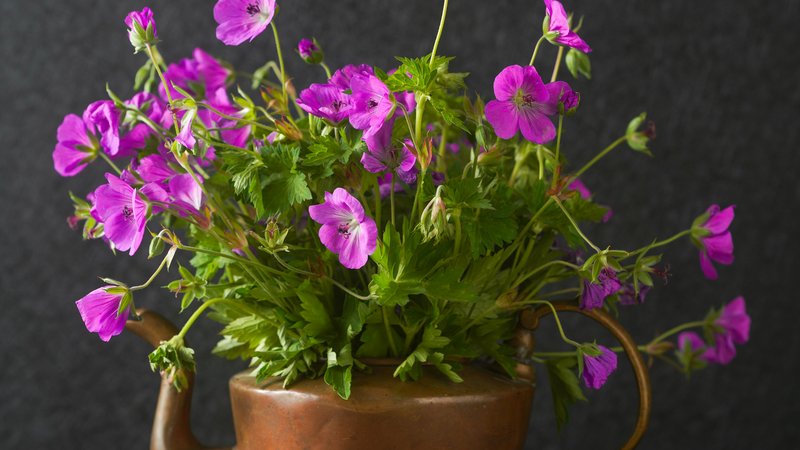
Scented geraniums are another variety worth experimenting with in water propagation. They root readily and can be maintained in simple vase setups for weeks before transplanting or kept in a full hydroponic system.
Cost-Benefit Analysis of Water Growing Versus Traditional Soil Methods
Starting a basic hydroponic setup for geraniums requires an initial investment in a reservoir, air pump, air stone, and nutrient solution. However, these costs are offset over time by reduced soil purchases and more controlled growing conditions.
Water-based systems typically use significantly less water than traditional container gardening because the closed-loop reservoir recirculates the solution rather than allowing runoff. This makes them a practical choice for resource-conscious gardeners.
The trade-off is time investment. Water systems require more frequent monitoring than a simple potted plant. For gardeners who enjoy hands-on plant care, this is often seen as a benefit rather than a drawback.
Pest and Disease Management for Water-Cultivated Geraniums
Hydroponic geraniums are generally less susceptible to soil-borne pests like fungus gnats and root aphids. However, they can still attract common foliage pests such as spider mites, whiteflies, and aphids.
Inspect leaves regularly, especially the undersides. A diluted neem oil spray applied to foliage — never to the nutrient solution — is an effective organic intervention for most common pests.
For disease prevention, gardening guidance from established horticultural sources consistently emphasizes good airflow around plants as one of the most effective and overlooked preventive measures.
Seasonal Adjustments for Water-Based Geranium Care
Geraniums grown in water indoors are largely insulated from seasonal extremes, but light availability changes significantly throughout the year. Shorter winter days may require supplemental grow lighting to maintain healthy growth and flowering.
During warmer months, monitor reservoir temperature more closely, as ambient heat can push water temperatures into ranges that deplete oxygen and encourage harmful microbial activity.
Nutrient uptake also shifts with the seasons. Plants grow more actively in longer light periods and may require slightly more frequent nutrient replenishment during peak growing seasons compared to the slower winter months.
Botanical Distinctions Between Geraniums and Pelargoniums
A common source of confusion in gardening discussions is the interchangeable use of “geranium” and “pelargonium.” True geraniums are hardy perennials in the Geraniaceae family, while the plants most commonly sold as geraniums in garden centers are actually Pelargoniums — tender perennials native to South Africa.
Most water-growing guides — including this one — refer to Pelargoniums when discussing “geraniums.” Both genera can be propagated in water, but Pelargoniums are far more commonly cultivated as ornamental plants and are the primary subject of hydroponic geranium research.
Understanding this distinction matters when sourcing plants or researching growing methods. If a technique is described for “geraniums,” it almost certainly applies to Pelargoniums, which are the plants most home gardeners are actually growing.
Water-growing geraniums is a rewarding practice that rewards careful attention and a basic understanding of plant physiology. Whether you are rooting your first cutting in a glass jar or managing a full hydroponic system, these plants are far more adaptable to water environments than most gardeners expect.
Start simple, observe closely, and adjust based on what your plants tell you. With the right balance of oxygen, nutrients, and light, geraniums grown in water can be among the most vibrant and satisfying plants in any indoor growing space.