How to Keep Cut Flowers Fresh Longer

Knowing how to keep cut flowers fresh is one of the most rewarding skills any flower lover can develop. Whether you’ve just received a gorgeous bouquet or harvested blooms straight from your garden, a few simple habits can dramatically extend their vase life and keep them looking vibrant for days longer than expected.
The secret lies in understanding what actually causes flowers to wilt and die prematurely. From bacterial buildup in the water to improper stem cuts and poor placement choices, most freshness problems are entirely preventable. This guide walks you through every factor that matters, so your flowers stay beautiful from the moment they’re cut to their very last petal.
Understanding Cut Flower Lifespan
Cut flowers begin declining the moment they’re separated from the plant. Their cells continue to respire, consuming stored sugars and moisture at a rapid rate.
Different flower species have dramatically different natural lifespans. Carnations and chrysanthemums can last two to three weeks, while tulips and poppies may only hold for a few days under the same conditions.
Understanding your flower’s natural lifespan sets realistic expectations and helps you prioritize care efforts where they matter most. The goal is always to slow cellular breakdown and prevent bacterial contamination from shortening that window further.
Water Chemistry and pH Balance for Optimal Freshness
Water quality plays a surprisingly powerful role in how long cut flowers survive. Tap water chemistry varies significantly by region, and those variations directly affect how well stems can absorb moisture.
pH is one of the most critical water variables to consider. EPA water criteria suggest a freshwater pH range of 6.5 to 9, and most cut flowers absorb water most efficiently at the lower end of that range, around 3.5 to 5.0.
Adding a small splash of lemon juice or white vinegar to your vase water can gently lower the pH and improve stem uptake. Slightly acidic water also inhibits bacterial growth, giving your flowers a double benefit.
Stem Preparation and Cutting Techniques
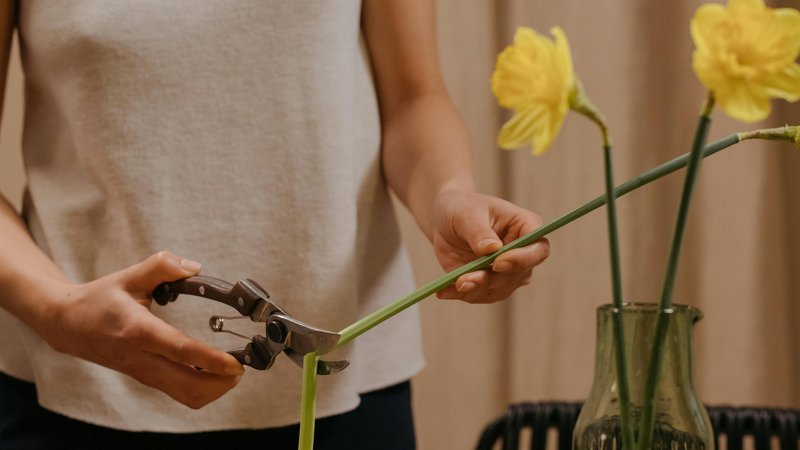
How you cut flower stems makes an enormous difference in water absorption. A clean, angled cut exposes more surface area and prevents the stem from sitting flat against the vase bottom, which would block uptake.
Always cut stems at a 45-degree angle using sharp, clean scissors or floral shears. Dull blades crush vascular tissue rather than slicing cleanly through it, impairing the flower’s ability to drink.
Re-cut stems every two to three days, ideally while holding them under running water. This removes any sealed or callused tissue that forms at the cut end and refreshes the flower’s ability to hydrate.
Preventing Bacterial Growth in Vases
Bacterial colonies are the number one enemy of cut flower longevity. They multiply rapidly in stagnant vase water, clog stem vessels, and produce gases that accelerate wilting.
Change vase water completely every two days and rinse the vase thoroughly each time. Even a thin biofilm on the inside of a vase can reintroduce bacteria to fresh water almost immediately.
A small copper coin, a few drops of bleach, or a crushed aspirin tablet added to the water can all help suppress bacterial growth between changes. Each method works slightly differently, but all reduce the microbial load that threatens stem health.
Temperature and Environmental Control
Heat is one of the fastest ways to shorten a flower’s vase life. Warm temperatures accelerate respiration, cause water to evaporate more quickly, and speed up the natural aging process in petals.
Keep cut flowers in the coolest room available, ideally between 65°F and 72°F (18°C–22°C). Avoid placing them near heating vents, sunny windowsills, or appliances that radiate heat.
Placing bouquets in the refrigerator overnight is a professional florist trick that genuinely works. Even a few hours of cool storage can meaningfully extend petal life, especially for roses and lilies.
Flower Food Alternatives and Ingredient Breakdown
Commercial flower food packets typically contain three active components: a sugar for energy, an acidifier to lower pH, and a biocide to kill bacteria. You can replicate all three at home with common household items.
A popular DIY flower food recipe combines one tablespoon of sugar, one tablespoon of white vinegar, and a few drops of bleach per quart of water. The sugar feeds the flower, the vinegar lowers pH, and the bleach controls bacteria.
Lemon-lime soda mixed with water at a 1:3 ratio is another widely used alternative. The citric acid and sugar content closely mimic commercial packets, making it a surprisingly effective substitute.
Vase Material Selection and Its Impact on Longevity
Not all vases are created equal when it comes to flower care. The material your vase is made from can influence water temperature, bacterial growth, and even light exposure to the water itself.
Glass vases are the most hygienic choice because they’re non-porous and easy to clean thoroughly. Avoid porous materials like unglazed ceramic or certain plastics, which harbor bacteria even after washing.
Dark or opaque vases help keep water cooler and reduce algae growth caused by light exposure. If you love clear glass for the aesthetic, simply place the vase away from direct light sources.
Ethylene Gas Exposure and Prevention Strategies
Ethylene is a natural plant hormone that triggers ripening and aging in both fruits and flowers. Many common fruits, including apples, bananas, and pears, release significant amounts of ethylene as they ripen.
Never place cut flowers near a fruit bowl. Even low concentrations of ethylene gas can cause petals to drop, buds to fail to open, and overall vase life to shorten by several days.
Flowers themselves also produce ethylene as they age, so removing dead or dying blooms from a mixed arrangement promptly protects the healthier flowers still in the vase.
Humidity Control for Extended Freshness
Flowers lose moisture through their petals continuously, a process called transpiration. In low-humidity environments, this moisture loss outpaces what the stem can absorb from vase water.
Lightly misting petals with room-temperature water once or twice daily can help compensate for dry indoor air. Avoid misting flowers like roses heavily, as standing water on petals can encourage mold and botrytis fungal infection.
If you live in a particularly dry climate, placing a small humidifier nearby or grouping several vases together can create a slightly more humid microenvironment that benefits all the flowers.
Flower-Specific Preservation Needs
Different flower families have unique care requirements that go beyond general best practices. Treating every flower the same way is one of the most common mistakes people make.
Tulips, for example, continue to grow after being cut and are highly phototropic, meaning they bend toward light. Rotate tulip vases regularly and keep water levels low to prevent overgrowth and stem softening.
Woody-stemmed flowers like lilacs benefit from having their stem ends lightly crushed with a hammer before placing them in water. This increases surface area and dramatically improves water uptake in stems that would otherwise resist absorption. For broader plant care tips, it’s worth exploring how general maintenance principles apply across different plant types.
Reviving Wilted Flowers Recovery Methods
Wilted flowers aren’t always a lost cause. Many blooms can be revived with a few targeted interventions if caught before the damage becomes irreversible.
The most effective revival method is a full submersion soak. Submerge the entire flower, stem and bloom, in a tub of cool water for one to two hours. This rehydrates petals directly through osmosis rather than relying solely on stem uptake.
After soaking, re-cut the stems at a sharp angle and place them immediately into fresh, treated water. Many flowers that appeared beyond saving will show noticeable improvement within a few hours of this treatment.
Post-Harvest Handling Best Practices
The window between cutting a flower and placing it in water is critically important. Even brief air exposure to a freshly cut stem allows an air bubble to form inside the vascular tissue, blocking water uptake.
Always have a bucket of water ready before you cut, and transfer stems immediately. Professional florists cut stems underwater for this exact reason, eliminating any chance of air embolism forming.
Strip all foliage that would sit below the waterline before placing flowers in a vase. Submerged leaves decompose rapidly, feeding bacterial colonies and dramatically reducing water quality within hours.
Seasonal Variations in Cut Flower Care
The season in which you’re caring for cut flowers changes nearly every variable involved. Summer heat, winter dryness, and spring humidity all require slightly different approaches to maximize freshness.
In warmer months, water changes should happen more frequently, sometimes daily, because heat accelerates both bacterial growth and water evaporation. Consider using chilled water during summer to keep vase temperatures lower for longer.
In winter, indoor heating systems create very dry air that pulls moisture from petals rapidly. Increasing misting frequency and moving flowers away from heat sources becomes especially important during cold-weather months.
If you’re passionate about reducing waste in your gardening and flower care routines, exploring zero-waste gardening practices can offer creative ways to repurpose spent blooms and trimmings rather than simply discarding them.
For those who want to preserve flowers beyond their vase life entirely, preservation techniques like air drying and pressing offer beautiful long-term alternatives. Air drying works especially well for roses, lavender, and hydrangeas, while pressing suits delicate blooms like pansies and violets.
Ultimately, keeping cut flowers fresh comes down to consistency. Small, daily habits, fresh water, clean vases, cool temperatures, and attentive stem care, compound over time into significantly longer-lasting arrangements that stay beautiful far beyond what most people expect.