Can Goats Eat Cilantro? Safety & Nutrition Guide

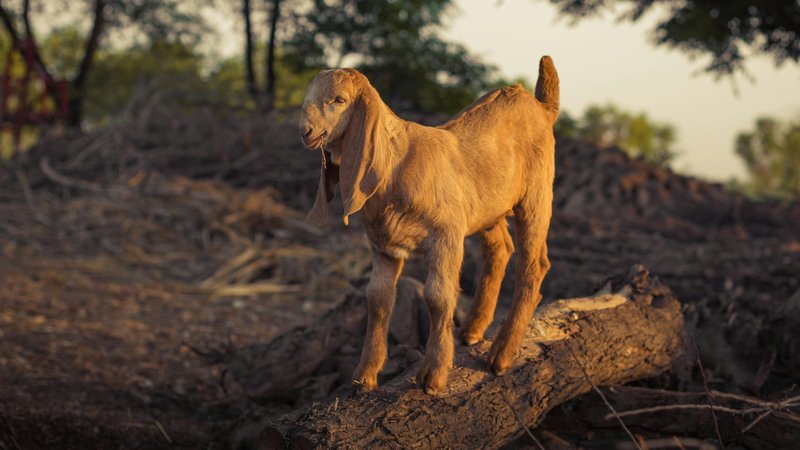
If you’ve ever wondered can goats eat cilantro, the straightforward answer is yes — and it’s actually a nutritious addition to their diet. Cilantro is safe for goats to eat, and many goat owners report that their animals enjoy it eagerly. Like most supplemental foods, it works best when introduced thoughtfully and fed in appropriate amounts alongside a balanced diet.
Cilantro, also known as coriander, is a fragrant herb packed with vitamins and antioxidants that can genuinely support goat health. Understanding how to feed it correctly — from the right quantities to the best preparation methods — helps you get the most out of this simple, natural supplement. This guide covers everything you need to know, from safety and nutrition all the way to long-term health outcomes.
Safety and Digestibility of Cilantro for Goats
Cilantro poses no known toxicity risk to goats and is considered a safe herb across all life stages. Its fibrous leaves and stems are easy for goats to chew and digest without causing blockages or irritation.
Goats have a naturally robust digestive system designed to process a wide variety of plant matter. Cilantro fits comfortably within that range, making it one of the lower-risk herbs you can offer your herd.
Nutritional Benefits and Immune Support
Cilantro contains vitamin C, vitamin K, and a range of antioxidants that actively support immune function in goats. These nutrients help the body fight off common infections and reduce oxidative stress at the cellular level.
Vitamin C in particular plays a key role in boosting the immune system, which is especially valuable during periods of stress or illness. Research on goat immune function highlights how micronutrient intake directly influences disease resistance. Feeding cilantro regularly can be a simple, low-cost way to support that defense system naturally.
Proper Feeding Amounts and Introduction Methods
Always introduce cilantro gradually, starting with a small handful a few times per week before increasing frequency. Sudden dietary changes can disrupt gut flora and lead to loose stools or bloating, even with safe herbs.
A good rule of thumb is to treat cilantro as a supplement rather than a staple. It should never replace core dietary components like hay, pasture, or quality goat feed.
Cilantro as a Natural Health Supplement
Beyond basic nutrition, cilantro has long been recognized in traditional animal husbandry as a plant with natural health-promoting properties. Ethno-veterinary research documents how medicinal plants have been used for generations to support livestock health, particularly in managing parasites and infections.
While cilantro is not a replacement for veterinary treatment, its antimicrobial and anti-inflammatory compounds make it a worthwhile addition to a holistic herd management approach. Think of it as a small but meaningful layer of daily nutritional support.
Comparing Cilantro to Other Safe Herbs for Goats
Cilantro stands out among goat-safe herbs because it offers both palatability and genuine nutritional density. Herbs like parsley, basil, and mint are also safe options, but cilantro’s vitamin C content gives it a slight edge for immune support.
If you grow your own herbs, cilantro is also one of the easiest to cultivate at home. Check out these kitchen herb garden ideas if you want a steady, fresh supply for both your kitchen and your goats.
Age-Specific Feeding Guidelines for Kids and Adults
Adult goats can handle cilantro in moderate amounts without issue, provided their primary diet is already well-established. Kids under eight weeks old should not be given supplemental herbs, as their digestive systems are still maturing and are more sensitive to dietary changes.
Once kids are weaned and eating solid food consistently, small amounts of cilantro can be introduced very gradually. Always monitor young goats closely for any signs of digestive upset when adding new foods.
Organic Versus Non-Organic Cilantro Considerations
Organic cilantro is the preferred choice for goats because it carries no pesticide or herbicide residues. Non-organic cilantro may have surface chemical residues that, while generally low, can accumulate over time with regular feeding.
If organic is not available, rinse non-organic cilantro thoroughly under running water before offering it. This simple step removes the majority of surface contaminants and makes the herb considerably safer.
Seasonal Availability and Storage Strategies
Fresh cilantro is most widely available during cooler growing seasons, though it can be grown year-round in mild climates or indoors. When fresh supplies are limited, dried cilantro is a practical alternative that retains many of its nutritional properties.
Store fresh cilantro in a cool, damp environment to extend its shelf life. Wilted or moldy cilantro should never be fed to goats, as spoiled plant matter can introduce harmful bacteria into their digestive systems.
Cilantro Seeds Versus Leaves for Goat Consumption
Both the leaves and seeds of the cilantro plant are safe for goats to eat. The seeds, commonly called coriander, are slightly more concentrated in essential oils and have a stronger flavor that some goats may find less appealing.
Leaves are generally the better starting point, especially for goats being introduced to the herb for the first time. Seeds can be offered occasionally as a flavor variation once the goat is comfortable with the plant.
Potential Digestive Issues and Prevention
Overfeeding any herb, including cilantro, can lead to loose stools, bloating, or reduced appetite for more nutritionally essential foods. Moderation is the single most important principle when feeding supplemental herbs to goats.
Watch for signs like excessive gas, soft droppings, or lethargy after introducing cilantro. If any of these symptoms appear, reduce the amount immediately and allow the digestive system to stabilize before trying again.
Long-Term Health Outcomes from Regular Cilantro Feeding
Goats fed a diverse diet that includes safe herbs like cilantro tend to show stronger overall vitality over time. The consistent intake of micronutrients and antioxidants supports everything from coat quality to reproductive health.
Long-term supplementation with nutrient-rich herbs is a low-effort strategy that complements good husbandry practices. It won’t replace proper veterinary care, but it adds meaningful nutritional depth to your herd’s daily routine.
Food Interactions and Balanced Diet Integration
Cilantro pairs well with other goat-safe foods and does not interfere with standard mineral supplements or hay-based diets. The core diet should always consist of at least 80% quality forage, with herbs and treats making up the remainder.
Avoid offering cilantro at the same time as strong-flavored mineral blocks, as competing flavors may reduce intake of both. Spacing out supplemental offerings throughout the day helps maintain consistent consumption and digestive balance.
When to Consult Your Veterinarian
If your goat shows persistent digestive problems, unusual lethargy, or a sudden loss of appetite after dietary changes, a veterinarian should be consulted promptly. These signs can indicate issues that go beyond simple food sensitivity.
Cilantro is a safe and beneficial herb for goats when fed responsibly, but no dietary supplement replaces professional veterinary guidance for managing herd health. Keeping an open line of communication with your vet ensures that every addition to your goats’ diet supports — rather than undermines — their long-term wellbeing.