
How to Prevent Dogs From Digging Your Lawn

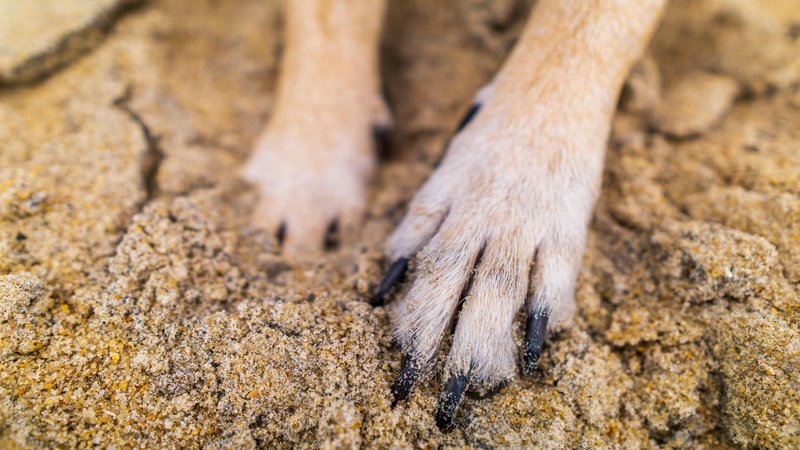
If you’ve ever stepped outside to find your lawn riddled with holes, you already know how frustrating it can be. Learning how to prevent dogs from digging is one of the most common challenges dog owners face, and the good news is that it’s entirely solvable with the right combination of strategies. Whether your dog digs out of boredom, anxiety, instinct, or habit, there are targeted approaches that can stop the behavior at its root.
The key to success is understanding that digging is rarely random. Dogs dig for specific reasons, and each reason calls for a specific response. This guide walks you through every major cause and solution so you can protect your lawn while keeping your dog happy, healthy, and mentally fulfilled.
Understanding Why Dogs Dig
Before you can stop the behavior, you need to understand what’s driving it. Dogs dig for a wide range of reasons, including boredom, excess energy, instinct, temperature regulation, anxiety, and even hunger.
Identifying the root cause is the single most important step. Applying the wrong solution to the wrong problem will only lead to frustration for both you and your dog.

Breed-Specific Digging Tendencies and Genetic Predispositions
Certain breeds have a stronger instinct to dig and bury items due to their historical roles and genetic predispositions. Terriers and hounds, for example, were bred for hunting and digging, making them far more likely to engage in this behavior regardless of their environment.
If you own a high-digging breed, you must accept that some level of digging is hardwired into their DNA. Managing rather than eliminating the behavior is often the most realistic and humane goal for these dogs.
Breeds like Dachshunds, Siberian Huskies, Beagles, and Cairn Terriers are among the most notorious diggers. Knowing your dog’s breed history helps you set realistic expectations and choose the most effective prevention strategies.
Exercise and Physical Activity Requirements
A tired dog is a well-behaved dog. One of the most overlooked causes of destructive digging is simply insufficient physical exercise.
Dogs that do not receive enough daily exercise will often redirect their excess energy into digging, chewing, or other destructive behaviors. Increasing your dog’s daily walks, play sessions, or off-leash time can dramatically reduce digging incidents.
High-energy breeds like Border Collies, Australian Shepherds, and Jack Russell Terriers may need significantly more exercise than the average dog. Tailor your activity routine to your dog’s specific breed requirements.
Mental Stimulation and Enrichment Activities
Physical exercise alone is not always enough. Dogs are intelligent animals that need mental challenges to stay satisfied and calm.
Puzzle feeders, sniff mats, interactive toys, and training sessions are all excellent ways to tire out your dog’s brain. A mentally stimulated dog is far less likely to resort to digging as a form of self-entertainment.
Rotate enrichment activities regularly to keep things fresh. Dogs can become bored with the same puzzle toy just as quickly as they become bored with an empty yard.
Anxiety and Stress-Related Digging Behavior
For some dogs, digging is a coping mechanism for anxiety or stress. Separation anxiety, noise phobias, and environmental changes can all trigger compulsive digging episodes.
If your dog digs specifically when left alone, near fences, or after stressful events, anxiety is likely the primary driver. Addressing the underlying anxiety is essential before any behavioral training can be effective.
Calming aids, structured routines, and gradual desensitization to triggers can all help reduce anxiety-driven digging. In severe cases, consultation with a veterinary behaviorist may be necessary.
Medical and Health Reasons for Excessive Digging
In some cases, a sudden increase in digging can signal an underlying medical issue. Hormonal imbalances, parasites, nutritional deficiencies, and neurological conditions have all been linked to compulsive digging behavior.
If your dog’s digging behavior appears suddenly, intensifies rapidly, or is accompanied by other behavioral changes, a veterinary examination should be your first step. Never assume a new behavior is purely psychological without ruling out a physical cause.
Seasonal Digging Patterns and Environmental Triggers
Dogs often dig more during certain seasons, and understanding these patterns can help you prepare. In hot weather, dogs dig to reach cooler soil and create a resting spot.
In spring, the presence of insects, grubs, and small animals underground can trigger digging instincts in hunting breeds. Treating your lawn for grubs and providing shaded outdoor resting areas can significantly reduce seasonal digging spikes.

Designated Digging Zones as an Alternative Outlet
One of the most effective and dog-friendly solutions is to give your dog a legal place to dig. A designated digging zone, such as a sandbox or a defined patch of loose soil, redirects the behavior without punishing the dog’s instincts.
Bury toys or treats in the zone to encourage your dog to use it. Consistently redirect your dog to the designated area every time they begin digging elsewhere, and reward them generously when they use the correct spot.
This approach is particularly effective for high-instinct breeds where complete elimination of digging is unrealistic. It gives the dog an outlet while protecting the rest of your lawn.
Environmental Modifications and Barrier Solutions
Physical modifications to your yard can make digging less accessible and less rewarding. Laying chicken wire just below the soil surface in problem areas creates an uncomfortable sensation that discourages digging.
Large rocks, pavers, or ground cover plants placed strategically along fence lines and garden beds can also block common digging spots. If you’re also protecting a vegetable or herb garden, pairing these barriers with pest prevention strategies can create a more comprehensive protective perimeter.
For dogs that dig under fences, burying L-shaped wire mesh along the fence base is one of the most reliable long-term physical deterrents available.
Supervision and Monitoring Strategies
Unsupervised outdoor time is one of the biggest contributors to a digging habit. Dogs that are left alone in the yard for extended periods have both the opportunity and the motivation to dig.
Supervise outdoor sessions whenever possible, especially during the early stages of behavior modification. Catching and redirecting the behavior in the moment is far more effective than correcting it after the fact.
Behavioral Training Approaches
Positive reinforcement training is the gold standard for modifying digging behavior. Teaching a solid “leave it” or “off” command gives you a reliable tool to interrupt digging the moment it begins.
Reward your dog immediately and generously when they respond to your cue and move away from the digging spot. Consistency is everything — every household member must respond to digging the same way every single time.
Punishment-based approaches are not only less effective but can also increase anxiety, which may worsen the digging behavior. Stick to positive, reward-based methods for the best long-term results.
Digging Deterrent Products and Sprays
Commercial deterrent sprays can be a useful supplementary tool when used alongside training and enrichment. These products typically use scents that dogs find unpleasant, such as citrus, bitter apple, or cayenne-based formulas.
Deterrent sprays work best on specific, targeted areas and must be reapplied regularly, especially after rain. They are not a standalone solution and should always be paired with addressing the root cause of the digging.
Natural alternatives like diluted vinegar or citrus peel placed around garden borders can also be effective for some dogs. Test a small area first to ensure the solution does not damage your plants or lawn.
Age-Related Changes in Digging Behavior
Puppies and adolescent dogs dig far more frequently than mature adults, largely due to their higher energy levels and exploratory nature. Many dogs naturally reduce their digging as they age and settle into calmer behavioral patterns.
However, senior dogs that suddenly begin digging after years of calm behavior should be evaluated by a veterinarian, as this can indicate cognitive dysfunction or discomfort. Age is always a relevant factor when assessing and responding to digging behavior.
Nutritional Factors Affecting Behavior
Diet plays a surprisingly significant role in overall canine behavior, including digging. Dogs fed nutritionally incomplete diets may exhibit unusual behaviors as their bodies attempt to compensate for deficiencies.
Ensure your dog is eating a high-quality, species-appropriate diet formulated for their age, size, and activity level. If you suspect nutrition is a contributing factor, consult your veterinarian before making any significant dietary changes.
When to Consult a Professional Dog Trainer or Behaviorist
If you’ve tried multiple strategies without success, it may be time to bring in a professional. A certified dog trainer or veterinary behaviorist can assess your dog’s specific situation and build a customized behavior modification plan.
Professional intervention is especially important when digging is compulsive, escalating, or linked to severe anxiety. Attempting to manage serious behavioral issues without expert guidance can sometimes make them worse.
Look for trainers who use force-free, science-based methods and have experience specifically with the type of digging behavior your dog exhibits. A few targeted sessions with the right professional can save months of frustration and protect your lawn for the long term.
Stopping a dog from digging is rarely about a single fix. It requires patience, consistency, and a genuine effort to understand what your dog is communicating through their behavior. When you address the cause rather than just the symptom, you create lasting change that benefits both your lawn and your relationship with your dog.