Gardening for Mental Health: Benefits & Survey Results (2026 Update)

Gardening for mental health has moved well beyond a casual hobby claim—it is now a subject of serious scientific inquiry, clinical practice, and growing public interest. From reducing anxiety and depression to building self-esteem and fostering community, the act of tending to plants offers a surprisingly wide spectrum of psychological benefits. Whether you have a sprawling backyard or a single windowsill pot, the therapeutic value of connecting with soil, sunlight, and living things is increasingly well-documented and accessible to almost everyone.
This guide brings together the latest research, clinical insights, real survey data, and practical advice to help you understand exactly how and why gardening supports mental wellness. You will also find guidance on adaptive techniques, urban solutions, community opportunities, and how to get started—no matter your experience level, physical ability, or available space.
The Science Behind Gardening and Mental Wellbeing
A growing body of peer-reviewed research confirms that regular gardening activity produces measurable psychological benefits. Landscape research has consistently linked green space interaction with lower cortisol levels, improved mood, and reduced cognitive fatigue.
The mechanisms are both biological and psychological. Exposure to natural environments activates the parasympathetic nervous system, shifting the body away from its stress response.
Attention Restoration Theory suggests that natural settings replenish directed attention capacity, which is depleted by modern screen-heavy, high-demand environments. Gardening is one of the most accessible ways to tap into this restorative effect daily.
Stress and Anxiety Reduction Through Gardening
Gardening interrupts the cycle of rumination that fuels anxiety. Repetitive, rhythmic tasks like weeding, watering, and pruning engage the hands and redirect mental focus outward.
Published clinical findings support the use of garden-based interventions as a complementary approach to managing anxiety disorders. Participants in structured gardening programs consistently report lower perceived stress after sessions.
Even brief gardening sessions of 20 to 30 minutes have been shown to produce significant reductions in salivary cortisol, the body’s primary stress hormone. This makes gardening one of the most time-efficient natural stress management tools available.
Building Confidence and Self-Esteem in the Garden
Successfully growing a plant from seed to harvest creates a tangible sense of achievement. This mastery experience is a well-established driver of self-efficacy and confidence.
For individuals recovering from depression, where motivation and self-worth are often depleted, the garden offers low-pressure wins. Each visible sign of growth—a seedling emerging, a blossom opening—provides immediate positive reinforcement.
Starting small is key. A small vegetable garden can deliver the same psychological rewards as a large plot, making the confidence-building benefits accessible regardless of space.
Gardening as a Mindfulness and Grounding Practice
Mindfulness—the practice of present-moment awareness—is a clinically validated approach to managing anxiety, depression, and chronic stress. Gardening is one of the most natural vehicles for achieving a mindful state.
The sensory richness of the garden—textures of soil, scent of herbs, sound of birdsong—anchors attention in the present. This makes gardening particularly effective as a grounding technique for individuals experiencing dissociation or hypervigilance.
Unlike formal meditation, gardening does not require stillness or silence. It meets people where they are, making mindfulness accessible to those who struggle with traditional contemplative practices.
Mental Health Benefits for Specific Conditions
Research has examined gardening’s impact on a range of diagnosed mental health conditions, with encouraging results across multiple disorders. The evidence base is strongest for depression, anxiety, and stress-related conditions.
Peer-reviewed evidence indicates that therapeutic gardens may help reduce stress associated with working in a therapeutic garden, which can improve outcomes in patients with schizophrenia. This highlights the potential of garden environments even in severe psychiatric contexts.
For individuals managing PTSD, the predictability and nurturing nature of plant care can provide a sense of safety and control that is often disrupted by trauma. Gardening has also shown promise in supporting recovery from addiction and eating disorders.
Horticultural Therapy: Clinical Applications and Outcomes
Horticultural therapy is a formalized clinical discipline in which trained therapists use plant-based activities as treatment modalities. It is practiced in hospitals, rehabilitation centers, psychiatric units, and community health settings.
The Journal of Environmental Horticulture has published research examining structured horticultural therapy programs and their measurable outcomes across diverse patient populations. Results consistently show improvements in mood, social functioning, and quality of life.
Registered horticultural therapists design individualized programs that align gardening tasks with specific therapeutic goals. This clinical precision distinguishes horticultural therapy from general recreational gardening.
Adaptive Gardening Solutions for Accessibility and Mobility
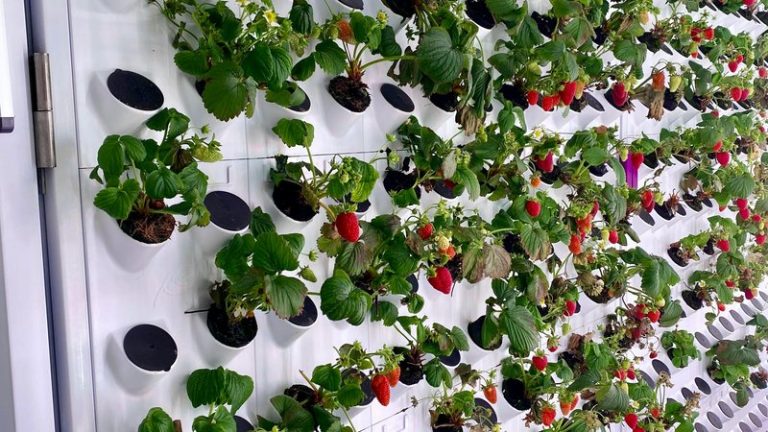
Physical limitations should never be a barrier to the mental health benefits of gardening. Raised beds, vertical planters, and container gardens allow individuals with mobility challenges to participate fully.
There are now a number of tools available for gardeners with physical limitations from specialty garden product makers like Fiskars, Corona, Gripworks, disABILITY Work Tools, Life With Ease and others. These tools are designed to reduce grip strain, extend reach, and minimize bending.
Ergonomic kneelers, long-handled tools, and lightweight watering systems make independent gardening possible for elderly individuals and those with arthritis or limited upper-body strength. Accessibility in the garden directly expands who can access its mental health benefits.
Urban and Indoor Gardening for Limited Spaces
Urban dwellers without outdoor space are not excluded from gardening’s psychological benefits. Indoor gardening, balcony growing, and container cultivation all deliver meaningful therapeutic value.
Research confirms that even caring for houseplants reduces physiological stress markers and improves mood in indoor environments. Balcony vegetable gardening is an excellent entry point for city residents seeking these benefits.
Growing edible plants indoors—herbs, microgreens, or compact vegetables—adds the additional psychological reward of food self-sufficiency. This sense of agency and provision is particularly meaningful for individuals experiencing powerlessness or low self-worth.

Community Gardens and Social Connection
Loneliness and social isolation are among the most significant risk factors for poor mental health. Community gardens directly address this by creating structured, purposeful social environments.
Shared garden spaces bring together people of different ages, backgrounds, and abilities around a common purpose. This organic social bonding reduces isolation without the pressure of formal social settings.
Published research has documented significant improvements in social connectedness, sense of belonging, and community cohesion among regular community garden participants. These social gains amplify the individual mental health benefits of gardening.
Gardening for Grief, Bereavement, and Trauma Recovery
Grief disrupts routine, identity, and sense of purpose—all of which gardening can gently restore. The cyclical nature of the garden, with its seasons of growth, dormancy, and renewal, mirrors the arc of grief itself.
Memorial gardens—spaces planted in honor of a lost loved one—are used therapeutically in bereavement programs worldwide. The act of planting and tending something living can externalize and honor grief in a constructive way.
For trauma survivors, the non-judgmental, responsive nature of plants offers a uniquely safe relational experience. Plants respond to care without unpredictability, which can be profoundly regulating for nervous systems shaped by adverse experiences.
Seasonal Affective Disorder and Gardening Interventions
Seasonal Affective Disorder (SAD) is a form of depression triggered by reduced light exposure during autumn and winter months. Gardening can serve as a meaningful intervention during these vulnerable periods.
Outdoor gardening in winter—even in cold climates—increases light exposure and physical activity, both of which are established treatments for SAD. Planning next season’s garden during winter months also sustains a sense of purpose and anticipation.
Indoor growing under grow lights during darker months delivers both the psychological benefits of plant care and supplemental light exposure. Combining light therapy principles with indoor gardening creates a dual-action intervention for seasonal mood disruption.
Gardening for Neurodivergent Populations
Individuals with ADHD, autism spectrum conditions, and sensory processing differences often find gardening particularly regulating. The multisensory, structured-yet-flexible nature of garden tasks aligns well with diverse neurological profiles.
For those with ADHD, the immediate feedback loop of gardening—plant, water, observe, adjust—satisfies the need for novelty and tangible results. Outdoor environments also reduce the overstimulation common in built, artificial spaces.
Autistic individuals often report that the predictable, low-social-demand environment of the garden is deeply calming. Sensory gardens designed with specific textures, scents, and sounds are increasingly used in therapeutic and educational settings for neurodivergent populations.
Workplace Gardening Programs for Employee Wellness
Forward-thinking employers are integrating gardening into workplace wellness programs as a response to rising rates of burnout, anxiety, and disengagement. Office gardens, rooftop growing spaces, and lunchtime gardening clubs are all emerging formats.
Employee gardening initiatives reduce stress, improve team cohesion, and increase a sense of agency and contribution. These outcomes directly address the psychological drivers of workplace burnout.
Workplaces that incorporate biophilic design—including living plant walls and indoor gardens—report measurable improvements in employee wellbeing and productivity. This makes gardening integration a sound organizational investment, not just a wellness nicety.
Intergenerational Gardening and Family Mental Health
Gardening together across generations strengthens family bonds, transfers knowledge, and creates shared memories. These relational outcomes are themselves protective factors for mental health across all age groups.
For children, gardening builds patience, responsibility, and connection to natural systems. For older adults, sharing horticultural knowledge with younger family members reinforces identity, purpose, and legacy.
Intergenerational gardening programs in care homes and schools have demonstrated reductions in loneliness among elderly participants and improvements in empathy and focus among children. The garden becomes a space where age differences dissolve into shared purpose.
Soil Health and the Microbiome Connection to Mental Wellness
One of the more surprising dimensions of gardening’s mental health benefits involves the soil itself. Mycobacterium vaccae, a bacterium naturally present in healthy soil, has been shown in animal studies to stimulate serotonin production.
Direct skin contact with soil during gardening may therefore deliver a mild neurochemical boost via this microbial pathway. This emerging area of research links gut-brain axis science with the ancient human practice of working the earth.
Healthy, living soil is not merely a growing medium—it may be an active participant in the psychological benefits of gardening. This gives added meaning to the practice of composting and organic soil management for mental health gardeners.
Overcoming Economic Barriers to Gardening Access
Cost is a real barrier for many people who might otherwise benefit from gardening. Seeds, soil, containers, and tools represent an upfront investment that not everyone can easily make.
Community seed libraries, local plant swaps, and free composting programs significantly reduce entry costs. Many municipal councils and nonprofit organizations also offer subsidized plots in community gardens specifically to improve access for low-income residents.
Starting with inexpensive, fast-growing crops is a practical strategy for budget-conscious beginners. Lettuce, radishes, and herbs can be grown in repurposed containers for minimal cost, delivering full psychological benefits without significant financial outlay.
Survey Results: Real Experiences and Outcomes
Survey data collected from regular gardeners consistently mirrors the findings of clinical research. Participants across diverse demographics report gardening as one of their most effective personal strategies for managing stress and low mood.
Common themes in survey responses include feeling calmer after gardening, experiencing a greater sense of purpose, sleeping better on days spent gardening, and feeling more connected to their local environment and community.
A recurring finding is that the mental health benefits are reported even by people who did not begin gardening with therapeutic intentions. Many respondents describe discovering the psychological rewards of gardening accidentally, through a practical interest in growing food or beautifying their space.
Survey participants with diagnosed mental health conditions report that gardening complements—but does not replace—professional treatment. They consistently describe it as a valuable daily self-management tool that enhances the effectiveness of other interventions.
Getting Started: Practical Steps for Mental Health Benefits
Beginning a gardening practice for mental health does not require expertise, space, or significant investment. The most important step is simply starting—with whatever is available to you right now.
Choose plants that match your environment and experience level. Fast-growing, forgiving plants like herbs, lettuce, and cherry tomatoes provide quick feedback and early success, which is essential for building the motivational momentum that sustains a practice.
Set a realistic, low-pressure intention—perhaps 15 minutes of garden time three times per week. Consistency matters more than duration when it comes to building the habit and accumulating mental health benefits over time.
If outdoor space is unavailable, begin indoors. A single pot of basil on a kitchen windowsill is a legitimate starting point. From there, expanding to a mini garden design gives you a structured framework to grow your practice alongside your plants.
Consider joining a local gardening group or community garden early in your journey. The social dimension amplifies the individual benefits and provides practical support, knowledge sharing, and accountability that makes it far easier to sustain the practice long-term.
The evidence is clear, the barriers are lower than most people assume, and the rewards extend far beyond the garden itself. Whether you are managing a diagnosed condition, navigating a difficult season of life, or simply looking for a more grounded daily routine, the soil is ready when you are.