
How to Discourage Blackbirds (Not Other Birds)

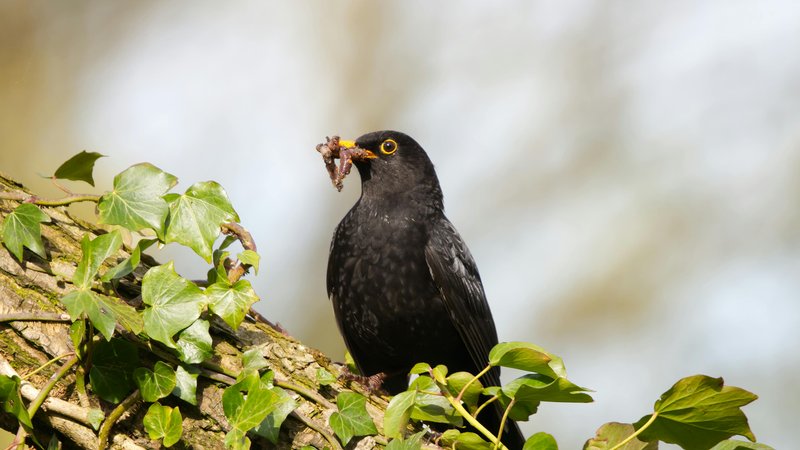
If you’ve been searching for practical ways on how to discourage blackbirds from yard spaces without sending every other bird packing, you’re not alone. Blackbirds can descend on feeders and garden beds in large, disruptive flocks, outcompeting smaller songbirds and causing real damage to seedlings, fruit, and lawn areas. The good news is that targeted, species-aware strategies can dramatically reduce blackbird presence while keeping your yard welcoming to the birds you actually want.
The key to success lies in understanding what makes blackbirds tick — their feeding habits, territorial behaviors, and habitat preferences. Blackbird species have evolved to thrive in specific environments, and exploiting the gaps between their needs and those of other birds is exactly how you gain the upper hand. Once you understand the “why” behind their behavior, every deterrent method becomes significantly more effective.
Understanding Blackbird Species and Their Behavior
Not all blackbirds are the same, and misidentifying the species in your yard can lead to wasted effort. Common culprits include the red-winged blackbird, common grackle, European starling, and brown-headed cowbird, each with distinct habits.
Red-winged blackbirds aggressively defend marsh territories and tend to forage on the ground in open areas. Grackles are bolder and more adaptable, often raiding feeders in noisy groups.
Understanding which species you’re dealing with shapes every decision you make. A deterrent that works brilliantly against one species may have zero effect on another.
Identifying Blackbird Damage Patterns in Your Garden
Blackbirds leave behind recognizable signs: scattered seed husks beneath feeders, shallow holes in lawn turf from probing beaks, and damaged fruit with characteristic peck marks. Spotting these patterns early lets you act before the problem escalates.
Ground disturbance is a particularly telling sign. Foraging behavior research confirms that blackbirds hunt earthworms through random ground searching, which explains the characteristic scattered digging patterns across lawns.
Checking your garden in the early morning hours gives you the clearest picture of activity patterns. Blackbirds are most active feeders shortly after dawn.
Seasonal Timing: When Blackbirds Pose the Greatest Threat
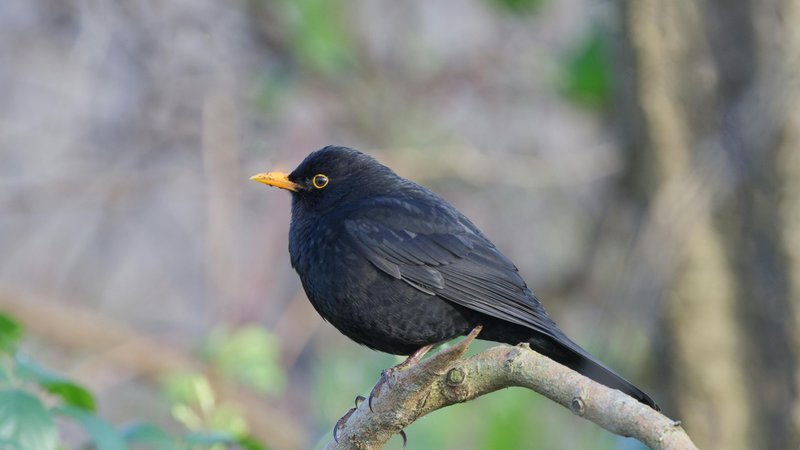
Blackbird pressure isn’t constant throughout the year — it peaks during specific windows that align with their feeding and breeding cycles. Late winter and early spring typically bring the largest flocks as migratory birds return and compete for food resources.
Drier summer conditions reduce earthworm availability, causing blackbirds to expand their foraging range significantly. This means gardens that were previously undisturbed may suddenly attract attention mid-season.
Timing your deterrent efforts to coincide with these peak windows makes them far more cost-effective. A reactive approach during high-pressure seasons beats year-round passive measures.
Feeder Design Strategies to Exclude Blackbirds
Feeder design is one of the most powerful and immediate tools available. Blackbirds are large, heavy birds that struggle to use feeders built for smaller species.
Weight-sensitive perch mechanisms are particularly effective — they close off access when a bird above a certain weight lands, blocking blackbirds while allowing chickadees and finches through. Tube feeders with short perches also physically prevent the larger body size of most blackbird species from feeding comfortably.
Cage-style feeders, where a wire mesh cage surrounds the feeder itself, are another strong option. Only smaller birds can squeeze through the gaps to reach the food inside.
Seed Selection and Food Preference Management
What you put in your feeder matters as much as the feeder’s design. Blackbirds are strongly attracted to cracked corn, millet, and bread scraps — removing these from your offering removes a major draw.
Switch to nyjer (thistle) seed, safflower, or straight sunflower chips. Blackbirds largely ignore safflower seed, while goldfinches, cardinals, and chickadees actively seek it out.
Eliminating ground-scattered seed is equally important. Avoid feeders that toss excess seed onto the ground, as this creates an open buffet that blackbirds exploit heavily.
Physical Exclusion Methods for Garden Protection
For vegetable beds and fruit-bearing plants, physical exclusion is the most reliable long-term solution. Bird netting draped over crops and secured at the base prevents access without harming birds.
Choose netting with a mesh size of 3/4 inch or smaller to effectively block blackbirds while still allowing beneficial insects through. Larger mesh sizes give determined birds enough room to push through.
Row covers made from lightweight fabric serve a dual purpose — they protect plants from birds while also moderating temperature and humidity around seedlings. If you’re also dealing with other garden intruders, our guide on preventing garden pests covers complementary protection strategies.
Visual and Auditory Deterrent Effectiveness
Reflective tape, predator decoys, and scare balloons can provide short-term relief, but their effectiveness drops sharply over time. Blackbirds are intelligent and quickly learn that stationary threats pose no real danger.
Rotating and repositioning visual deterrents every few days extends their usefulness significantly. A decoy owl that moves to a new location regularly will maintain its deterrent effect far longer than one left in the same spot.
Auditory deterrents — including distress calls and predator sounds — follow the same pattern. Varying the timing and sound types prevents habituation and keeps blackbirds on edge.
Motion-Activated Technology and Its Impact
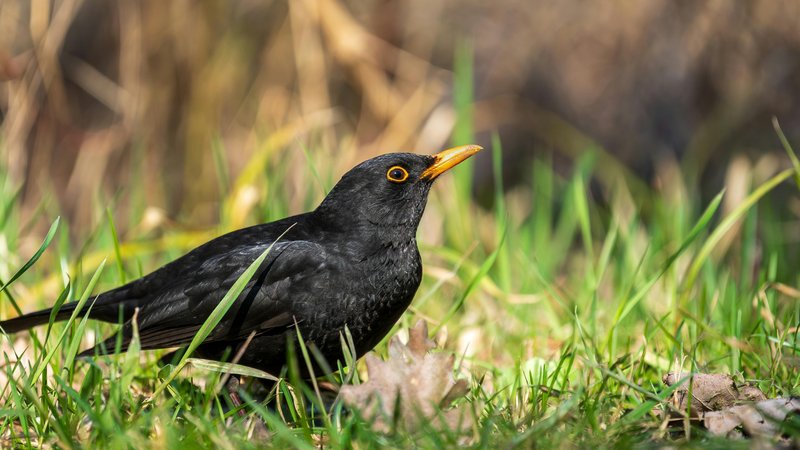
Motion-activated sprinklers and sound devices add an unpredictable element that static deterrents lack. Because the response is triggered by the bird’s own movement, it’s harder for them to identify and dismiss the threat.
Motion-activated sprinklers cover an area of up to 1,200 square feet in many models, making them practical for larger garden zones. They’re also completely harmless to birds and other wildlife.
Combining motion-activated sound with motion-activated water creates a multi-sensory deterrent that’s considerably more effective than either method alone. Blackbirds associating the area with unpredictable disturbances will begin to self-select away from it.
Habitat Modification for Long-Term Blackbird Reduction
Modifying your yard’s habitat addresses the root cause of blackbird attraction rather than just the symptoms. Blackbirds favor open, grassy areas with easy ground access — restructuring your landscape reduces its appeal.
Replacing sections of open lawn with dense ground cover plantings, raised beds, or mulched garden areas removes prime foraging ground. Habitat preferences are deeply ingrained in blackbird species, and altering the landscape fundamentally shifts the cost-benefit calculation for them.
Removing standing water sources that attract large flocks is also worth considering. While you may want to keep a bird bath for smaller songbirds, large open water features disproportionately attract blackbirds.
Protecting Seedlings and New Plantings
Newly planted seedlings are especially vulnerable because freshly turned soil signals a feeding opportunity to ground-foraging blackbirds. They probe disturbed earth looking for unearthed invertebrates and seeds.
Covering new plantings immediately with cloches, floating row covers, or individual wire guards eliminates this window of vulnerability. The first two weeks after planting represent the highest-risk period for blackbird interference.
Applying a thin layer of mulch over exposed soil also reduces the visual cues that attract ground-foraging birds. Covered soil simply looks less rewarding to a foraging blackbird scanning for feeding opportunities.
Cost-Benefit Analysis of Deterrent Methods
Not every deterrent method is worth the investment for every yard. The right choice depends on the scale of your blackbird problem, the size of your garden, and how much ongoing effort you’re willing to commit.
Feeder modifications and seed changes offer the highest return for the lowest ongoing cost — a one-time purchase that continuously filters out blackbirds. Physical exclusion netting is a higher upfront cost but provides season-long protection for high-value crops.
Visual and auditory deterrents are inexpensive but require consistent repositioning to remain effective, adding a recurring time cost. Motion-activated devices sit in the middle — moderate cost with minimal ongoing effort.
Combination Approaches and Synergistic Effects
No single method works perfectly in isolation, but layering two or three complementary strategies creates a compounding deterrent effect. Blackbirds that encounter multiple obstacles simultaneously are far more likely to abandon an area entirely.
A strong starting combination is: weight-sensitive feeders loaded with safflower seed, bird netting over garden beds, and a motion-activated sprinkler covering open lawn areas. This trio addresses the three main blackbird attractants — food, forage ground, and open space — simultaneously.
Adding a rotating visual deterrent as a fourth layer costs very little and adds another layer of unpredictability. The goal is to make your yard consistently less rewarding than neighboring areas.
Garden-Specific Strategies for Vegetable and Ornamental Areas
Vegetable gardens and ornamental flower beds require slightly different approaches because the stakes and plant types differ. In vegetable areas, physical exclusion is non-negotiable for high-value crops like berries, corn, and leafy greens.
For ornamental beds, the focus shifts more toward deterring ground disturbance. Dense planting schemes that leave little open soil are naturally less attractive to blackbirds looking for easy foraging access.
Companion planting strategies that create a full canopy at ground level also reduce the appeal of ornamental areas. A tightly planted bed simply offers less opportunity for the kind of ground probing blackbirds prefer.
Balancing Blackbird Deterrence with Native Bird Attraction
The goal isn’t a bird-free yard — it’s a yard that selectively welcomes the species you value. This balance is achievable with thoughtful planning that exploits the behavioral and physical differences between blackbirds and smaller native songbirds.
Tube feeders, nyjer sock feeders, and suet cages all cater specifically to smaller birds while being physically inaccessible or unattractive to blackbirds. Positioning these feeders near dense shrub cover gives small birds a safe retreat that blackbirds are less likely to follow them into.
Native plantings that produce small berries — such as serviceberry or native viburnums — attract a wide range of songbirds without the open-ground foraging environment that blackbirds prefer. If you’re building out a more wildlife-friendly landscape, exploring rabbit-resistant plants can help you choose species that hold up well against multiple types of wildlife pressure.
Professional Wildlife Management and Humane Relocation Options
When blackbird populations reach genuinely disruptive levels — particularly in agricultural or semi-rural settings — professional wildlife management becomes a practical consideration. Licensed wildlife specialists can assess the scale of the problem and recommend targeted interventions.
Hazing programs using trained falconry birds are among the most effective professional-grade deterrents available. The presence of a real predator creates a genuine fear response that no decoy can replicate.
Humane trapping and relocation is another option, though it requires proper licensing in most jurisdictions and is most effective as part of a broader habitat modification program. Relocation alone rarely provides lasting relief without addressing the underlying attractants.
Adapting Your Strategy Based on Local Population Density
A yard bordered by open farmland or wetland habitat will face significantly higher blackbird pressure than one in a dense suburban neighborhood. Your strategy needs to reflect the local population reality, not just general advice.
In high-density areas, passive deterrents alone are unlikely to be sufficient. Active, layered deterrence combined with habitat modification is the only reliable path to meaningful, sustained reduction in blackbird presence.
In lower-pressure environments, even simple feeder swaps and seed changes may be enough to shift blackbirds to easier feeding grounds nearby. Regularly reassessing what’s working — and adjusting accordingly — is the habit that separates gardeners who succeed from those who give up. Patience and consistency, applied with an understanding of blackbird behavior, will always outperform any single silver-bullet solution.