Vegetable Gardening Mistakes

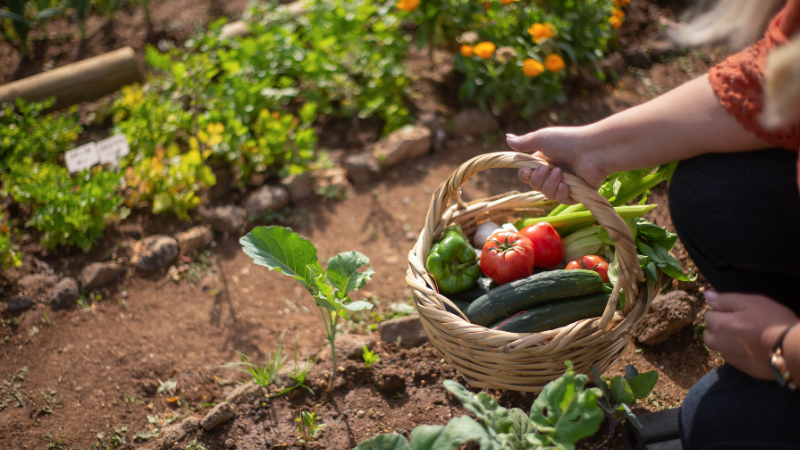
Venturing into vegetable gardening can be a rewarding experience, providing fresh produce right from your backyard. However, even the most enthusiastic gardeners can encounter challenges that hinder their crop’s success.
This article explores ten common vegetable gardening mistakes and provides guidance on how to avoid them. Understanding these pitfalls can save you time, effort, and disappointment, helping ensure a lush, productive garden.
Gardening is not just about planting seeds and waiting for them to grow; it requires careful planning and ongoing attention. Each mistake listed below highlights a crucial aspect of gardening that, if overlooked, could significantly impact the health and yield of your plants. By learning these common errors, you can set yourself up for a successful gardening season.
1. Overcrowding Plants
Planting vegetables too closely can lead to overcrowding, which stunts growth and reduces yield. Each plant needs enough space for air circulation and sunlight, which helps prevent diseases.
It’s important to read seed packets or plant tags for specific spacing recommendations. These guidelines help ensure that each plant has enough room to grow to its full potential.
Ignoring spacing requirements can also make harvesting more difficult. Overcrowded plants are harder to access and can become tangled, making it easy to damage one plant while trying to reach another.
2. Poor Soil Preparation
Soil is the foundation of your garden. Neglecting to prepare the soil properly before planting can lead to poor plant health and low yields. It’s crucial to enrich the soil with compost or manure to provide necessary nutrients.
Testing soil pH and adjusting it according to the needs of your plants is also important. Most vegetables prefer a pH between 6.0 and 7.0. Ignoring soil pH can prevent plants from absorbing nutrients efficiently.
Avoid using fresh manure or chemical-heavy products that can burn plants or disrupt soil microbiology. Instead, opt for well-aged organic matter that nourishes the soil gently.
3. Inadequate Watering
Watering too much or too little can both be detrimental to vegetable plants. Overwatering can lead to root rot and fungal diseases, while underwatering can stress plants and reduce their productivity.
Implementing a consistent watering schedule that adjusts for rainfall and temperature changes is key. Early morning is typically the best time to water, allowing plants to dry off before evening, which reduces disease risk.
Consider using a drip irrigation system or soaker hoses to deliver water directly to the soil, minimizing evaporation and waste while ensuring that plants receive adequate moisture.
4. Ignoring Pest Control
Pests can quickly destroy a vegetable garden if not managed promptly. Regular inspection of plants for signs of pests and diseases can catch problems before they escalate.
Natural or organic pest control methods, such as introducing beneficial insects or using neem oil, are preferable to chemical pesticides. These methods help maintain ecological balance in your garden.
Crop rotation and proper sanitation, like removing debris and diseased plants, can also prevent pest outbreaks by disrupting the life cycles of common garden pests.
5. Planting at the Wrong Time
Timing is crucial in vegetable gardening. Planting too early or too late in the season can expose plants to adverse weather conditions, such as frost or extreme heat, which can inhibit growth or kill young plants.
Consult local planting calendars to determine the best planting times for each type of vegetable. These guides take into account the average frost dates and climate conditions specific to your region.
Using season extenders, like cold frames or floating row covers, can help mitigate timing issues by protecting plants from unexpected weather changes.
6. Choosing the Wrong Plants
Not all vegetables thrive in all climates. Choosing plants that are unsuitable for your region’s growing conditions can lead to disappointment and wasted effort.
Research which plants are best suited to your climate, including varieties that are resistant to local pests and diseases. Local agricultural extensions or gardening clubs can be valuable resources for this information.
Experimenting with exotic or unfamiliar plants is fine, but make up the bulk of your garden with reliable, well-adapted varieties to ensure a robust harvest.
7. Neglecting to Mulch
Mulch helps retain soil moisture, suppress weeds, and maintain soil temperature. Skipping this step can make your garden more labor-intensive and less productive.
Organic mulches, such as straw, bark, or leaf litter, add nutrients to the soil as they decompose. Apply a 2-3 inch layer around plants, taking care not to pile it against the stems to avoid rot.
Refreshing mulch periodically, especially after heavy rains or as it decomposes, can continue to protect and nourish your garden throughout the growing season.
8. Failing to Rotate Crops
Crop rotation is essential for maintaining soil health and reducing pest problems. Planting the same vegetables in the same spot year after year can deplete soil nutrients and build up pests and diseases.
Rotate crops by planting vegetables from different families in different areas of your garden each year. This practice helps keep the soil balanced and pests at bay.
Plan your garden layout with crop rotation in mind, keeping records of where each type of vegetable is planted each season to ensure effective rotation.
9. Overusing Fertilizers
While fertilizers can promote plant growth, overusing them can lead to excessive leaf growth at the expense of fruit production. It can also pollute local waterways and harm beneficial soil organisms.
Use fertilizers judiciously, following package directions closely, and only apply them when tests indicate a deficiency in specific nutrients.
Opt for slow-release or organic fertilizers, which provide nutrients more steadily and reduce the risk of over-fertilization.
10. Ignoring Weather Conditions
Weather plays a significant role in the success of your vegetable garden. Ignoring weather forecasts can result in damage from storms, frosts, or heatwaves.
Install protective structures like shade cloths or windbreaks to shield plants from harsh conditions. Be prepared to cover sensitive plants if a sudden frost is forecast.
Stay adaptable and be willing to adjust your gardening practices based on current and predicted weather conditions to keep your garden thriving throughout the season.