Precision Irrigation Adoption Rates & Trends (2026 Update)

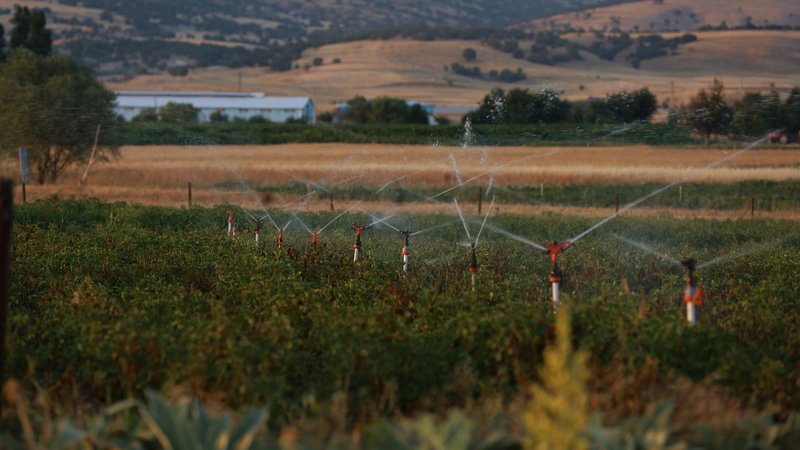
Precision irrigation adoption rates have been climbing steadily as farmers around the world confront the twin pressures of water scarcity and the demand for higher crop yields. This shift is not simply a technological trend — it represents a fundamental rethinking of how agriculture manages one of its most critical and finite resources. From large-scale commercial operations in North America to smallholder farms in South Asia, the movement toward smarter water delivery systems is reshaping the agricultural landscape at every level.
Understanding what drives — and what hinders — this adoption is essential for policymakers, agronomists, and farmers alike. The barriers are real, ranging from high upfront costs to knowledge gaps and infrastructure limitations. Yet the benefits, including measurable water savings, improved yields, and stronger return on investment, are compelling enough that momentum continues to build across diverse farming systems and geographies.
Understanding Precision Irrigation Technology and Components
Precision irrigation refers to systems that deliver water to crops based on real-time data about soil moisture, weather conditions, and plant needs. These systems typically include sensors, controllers, and automated delivery mechanisms such as drip lines or micro-sprinklers.
The goal is to match water supply precisely to crop demand, eliminating both over-irrigation and under-irrigation. This level of control can dramatically reduce water waste while simultaneously protecting or improving yield quality.
Global Adoption Disparities and Regional Variations
Adoption is far from uniform across the globe. High-income countries with established agricultural infrastructure — particularly in North America, Europe, and parts of the Middle East — have seen the fastest uptake of precision irrigation technologies.
In contrast, sub-Saharan Africa and parts of Southeast Asia lag significantly behind, largely due to limited access to capital and fragmented land ownership. Global food agencies consistently identify these regional disparities as a core challenge for equitable food security.
Water Scarcity and Climate Change as Primary Adoption Drivers
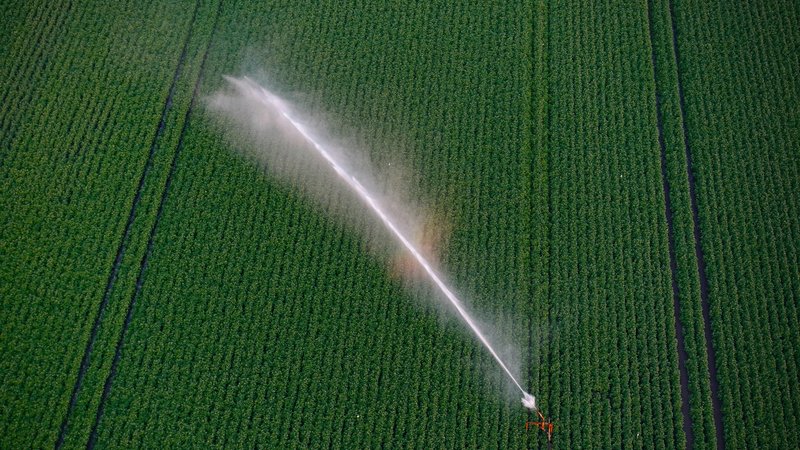
Water scarcity is arguably the single most powerful force pushing farmers toward precision irrigation. As aquifers deplete and rainfall patterns become increasingly erratic, the inefficiency of traditional flood or furrow irrigation is no longer economically or environmentally sustainable.
Climate stress reports highlight that agriculture accounts for roughly 70% of global freshwater withdrawals, making the sector both the largest consumer and the most critical target for conservation. The urgency created by climate change adaptation is accelerating investment in smarter water systems across every farming region.
Economic Barriers and Initial Investment Costs
The upfront cost of installing a precision irrigation system remains one of the most cited barriers to adoption. Drip irrigation infrastructure, soil sensors, and automated controllers require significant capital that many farmers — especially smallholders — simply do not have readily available.
The cost-to-benefit equation often only becomes favorable over a multi-year horizon, which demands a level of financial patience that is difficult for farmers operating on thin margins. Without financing support, the economics can feel prohibitive even when long-term savings are clear.
Government Subsidies and Policy Support Mechanisms
Government intervention has proven to be one of the most effective levers for accelerating adoption. Subsidy programs, tax incentives, and cost-share arrangements have helped farmers in countries like Israel, India, and the United States offset the initial investment burden.
Policy frameworks that tie water usage rights to efficiency standards are also gaining traction. Development bank programs in Asia have increasingly made precision water management a condition of agricultural lending in water-stressed regions.
Water Efficiency Benefits and Yield Improvements
The efficiency gains from precision irrigation are well-documented and significant. Drip systems, for example, can deliver water directly to the root zone, reducing evaporation losses that are inherent in surface irrigation methods.
Beyond water savings, precision delivery often translates into measurable yield improvements by ensuring crops receive consistent moisture at critical growth stages. FAO deficit irrigation research confirms that applying less water than full crop evapotranspiration requirements can still maintain yield when managed precisely, making efficient scheduling a powerful tool.
Technological Integration with IoT and Digital Agriculture
The convergence of precision irrigation with Internet of Things (IoT) technology has opened an entirely new frontier in farm water management. Sensors embedded in fields can now transmit real-time soil moisture and temperature data directly to farm management platforms.
This integration allows for automated irrigation scheduling that responds dynamically to changing field conditions. The broader role of AI in agriculture is amplifying these capabilities, enabling predictive irrigation models that go well beyond simple threshold-based triggers.
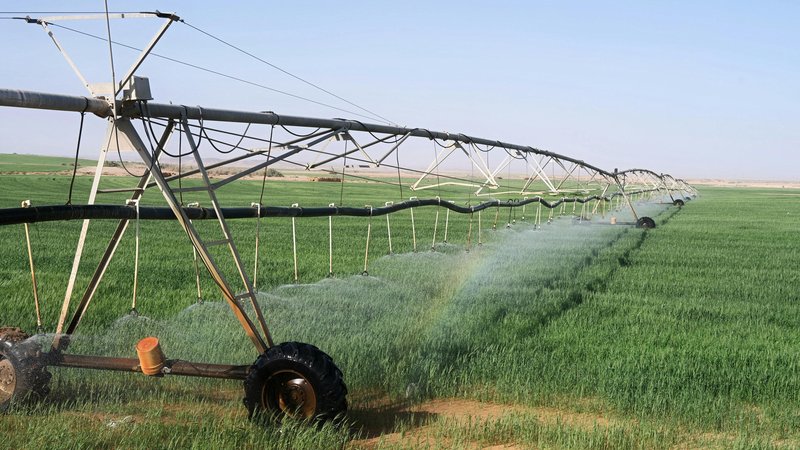
Challenges for Smallholder Farmers and Developing Regions
Smallholder farmers face a uniquely difficult set of obstacles when it comes to adopting precision irrigation. Beyond cost, issues like unreliable electricity supply, limited smartphone penetration, and lack of technical support make even basic sensor-based systems difficult to deploy and maintain.
Fragmented land parcels also reduce the economic viability of installing infrastructure that is most cost-effective at scale. Cooperative farming models and shared infrastructure programs have emerged as promising workarounds in some regions.
Cost-Benefit Analysis and Return on Investment Timelines
Return on investment for precision irrigation systems varies widely depending on crop type, water costs, and the baseline efficiency of the system being replaced. High-value crops like fruits, vegetables, and nuts tend to generate the fastest payback periods.
Research applied to continuous maize systems, such as the Butler County field analysis, demonstrated the ability to capture subfield variability in yield and return on investment across multiple years and weather conditions — underscoring that site-specific management can meaningfully improve economic outcomes over time.
Training Requirements and Technical Knowledge Gaps
Even when systems are installed, their effectiveness depends heavily on the operator’s ability to interpret data and respond appropriately. Many farmers who adopt precision irrigation tools lack the agronomic or technical training to use them to their full potential.
Extension services and on-farm training programs are critical components of any successful adoption strategy. Without ongoing support, even well-designed systems can underperform or fall into disuse within a few growing seasons.
Infrastructure Integration with Existing Farm Systems
Integrating precision irrigation into an existing farm operation is rarely a plug-and-play process. Older irrigation infrastructure, incompatible control systems, and legacy equipment can complicate installation and increase overall project costs.
Farms that plan upgrades holistically — considering water source, distribution network, and field sensors together — tend to achieve smoother integration and better long-term performance. Phased implementation strategies have helped many operations manage both cost and operational disruption.
Environmental and Sustainability Impacts
The environmental case for precision irrigation extends well beyond water conservation. Reduced runoff from over-irrigation helps protect local waterways from nutrient pollution, while lower groundwater extraction relieves pressure on stressed aquifers.
From a sustainability standpoint, more efficient water use also reduces the energy required to pump and distribute irrigation water, lowering the carbon footprint of agricultural operations. These compounding environmental benefits strengthen the case for broader adoption across all farming systems.
Precision Irrigation Effectiveness Across Crop Types
Not all crops respond equally to precision irrigation, and matching the technology to the crop is essential for maximizing returns. Horticultural crops, vineyards, and orchards consistently show the strongest yield and quality responses to precise water management.
Row crops like maize, soybean, and cotton also benefit, though the economics are more sensitive to commodity price fluctuations. Understanding crop-specific water stress thresholds is foundational to designing an effective precision irrigation strategy.
Financing Solutions and Microfinance Mechanisms
Innovative financing models are beginning to close the access gap for farmers who cannot afford upfront system costs. Equipment leasing, pay-as-you-save programs, and irrigation-as-a-service models are gaining traction in both developed and emerging markets.
Microfinance institutions in developing regions have also begun offering targeted agricultural loans specifically for water efficiency upgrades. These mechanisms are particularly important for smallholder farmers who are otherwise excluded from traditional agricultural lending.
Cybersecurity Considerations in IoT-Enabled Systems
As irrigation systems become more connected, they also become more vulnerable to cybersecurity threats. Networked sensors, cloud-based platforms, and remote control capabilities all introduce potential attack surfaces that were nonexistent in traditional irrigation setups.
Farm operators and technology vendors must treat data security as a core design requirement, not an afterthought. Breaches in irrigation control systems could disrupt water delivery at critical crop growth stages, with potentially severe yield consequences.
Long-Term Soil Health and Water Quality Implications
Sustained use of precision irrigation has been shown to support long-term soil health by reducing waterlogging, salt accumulation, and erosion associated with over-irrigation. Healthier soil structure over time can improve infiltration rates and reduce the irrigation volumes needed in subsequent seasons.
Water quality in surrounding ecosystems also benefits as nutrient leaching and agricultural runoff decline. The long-term trajectory of precision irrigation adoption will ultimately be shaped not just by economics, but by the growing recognition that soil and water health are inseparable from the future of productive farming.