Frost Seeding vs Hoof Seeding vs Tractor Seeding

When it comes to improving thin or degraded pastures, the debate around frost seeding vs hoof seeding pasture is one every livestock farmer eventually faces. Each method offers a distinct way to get seed into the ground, and choosing the right one can mean the difference between a thriving stand and a wasted season. Practical farmer questions like whether to trust frost alone, add sheep hooves, or run a tractor over the seeds reflect real decisions that require a clear understanding of the mechanics behind each approach.
This guide breaks down all three methods in detail, covering timing, seed-to-soil contact, cost considerations, species selection, and regional factors. Whether you manage a small hobby farm or a large commercial operation, understanding how each technique works will help you make a confident, informed decision before the next seeding window opens.
Understanding the Freezing-Thawing Cycle Principle
The freeze-thaw cycle is the natural engine that powers frost seeding. As soil repeatedly freezes at night and thaws during the day in late winter, it expands and contracts, creating tiny cracks and channels on the surface.
Seeds broadcast onto this unstable surface get physically worked into the soil through this movement. This natural incorporation process eliminates the need for mechanical tillage entirely, making it one of the lowest-disturbance seeding methods available.
The effectiveness of this cycle depends heavily on soil moisture and temperature fluctuations. Dry or already-thawed soils lose this incorporation advantage quickly, narrowing the optimal window significantly.
Frost Seeding: Mechanics and Optimal Timing
Frost seeding involves broadcasting seed directly onto frozen or partially frozen ground, typically in late winter or very early spring. The goal is to let natural freeze-thaw action pull the seed into the soil profile.
Frost seeding guidance from university extension programs consistently recommends targeting the period when nights still drop below freezing but daytime temperatures rise above it. This active cycling is what drives seed incorporation.
Small-seeded legumes like red clover and birdsfoot trefoil are the best candidates for frost seeding because their size allows them to be moved easily by soil movement. Large-seeded grasses are far less reliably incorporated by this method alone.
Hoof Seeding: Leveraging Livestock for Seed-to-Soil Contact
Hoof seeding uses grazing animals, most commonly sheep or cattle, to press broadcast seed into the soil surface. The mechanical action of hooves punches seed into the ground far more reliably than freeze-thaw action alone in some conditions.
This method works best when the soil is soft and slightly moist but not waterlogged. Overgrazing a pasture immediately after seeding can damage emerging seedlings, so timing livestock removal is just as important as timing their introduction.
Sheep are particularly effective because their smaller, sharper hooves create more individual contact points per square foot than cattle. This makes them a preferred tool for hoof seeding on smaller pasture blocks.
Tractor Seeding: Equipment-Based Approaches
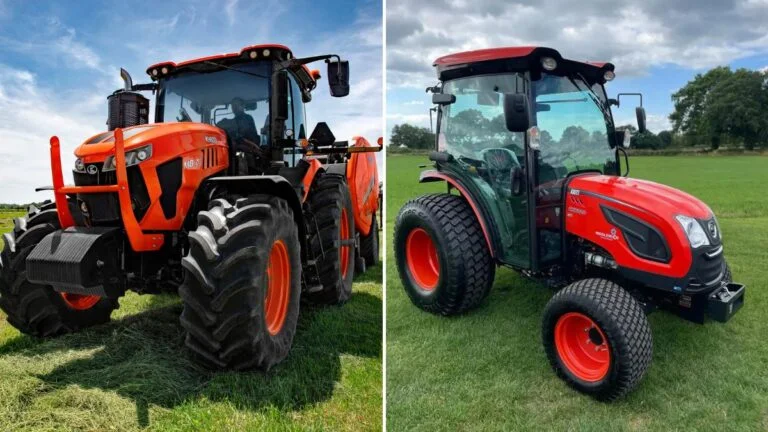
Running a tractor over broadcast seed, or using a cultipacker or roller attachment, mimics the compaction effect of hooves at a larger scale. This is especially useful on larger acreages where livestock-based incorporation is impractical.
A cultipacker creates a firm, corrugated seedbed that improves seed-to-soil contact across the entire field surface. Combining a broadcast spreader pass with a cultipacker pass is one of the most reliable no-till seeding combinations available.
The main limitation is soil compaction risk, especially on wet spring soils. Tractor passes on saturated ground can cause long-term structural damage that outweighs any short-term seeding benefit.
Cost-Benefit Analysis of Each Method
Frost seeding carries the lowest upfront cost of the three methods because it requires only a broadcast spreader and seed. There is no equipment rental, no fuel for extra tractor passes, and no labor-intensive livestock management involved.
Hoof seeding adds a layer of cost only if you do not already own the livestock. For farms with sheep or cattle already on pasture, the incremental cost is near zero, making it an excellent value-add to a frost seeding program.
Tractor-based methods carry the highest per-acre cost due to fuel, equipment wear, and time. However, as outlined in this cost-benefit analysis guide, a well-executed seeding program that improves forage yield can easily generate a strong return on that investment over multiple grazing seasons.
Species Selection for Successful Establishment
Not every forage species responds equally well to each seeding method. Species selection should be matched to the seeding technique being used, not chosen independently.
Red clover, white clover, and birdsfoot trefoil are the top performers for frost seeding because of their small seed size and tolerance for surface placement. Grasses like orchardgrass or tall fescue are better candidates for drill seeding or tractor-assisted incorporation.
If you plan to graze horses on the renovated pasture, clover selection deserves extra attention. Feeding clover to horses carries specific health considerations, particularly around slobber syndrome associated with certain fungal infections on red clover.
Seed-to-Soil Contact: The Critical Factor Across All Methods
Regardless of which seeding method you choose, seed-to-soil contact is the single most important factor determining germination success. A seed sitting on top of thatch or loose organic matter will desiccate and fail before it ever germinates.
Any technique that improves physical contact between the seed coat and moist mineral soil dramatically increases establishment rates. This is the shared principle behind all three methods discussed here.
Thatch management before seeding is therefore critical. Dense thatch layers block all three methods equally, so grazing or mowing the existing stand short before seeding is a non-negotiable preparatory step.

Soil Testing and Pasture Preparation Requirements
No seeding method will succeed on soils with extreme pH imbalances or severe nutrient deficiencies. A soil test completed the season before seeding gives you time to apply lime or fertilizer amendments that will be active by seeding time.
Legumes require a soil pH of at least 6.0 to 6.5 for reliable establishment, and lime takes months to fully react in the soil profile. Skipping this step is one of the most common reasons frost-seeded clovers fail to establish.
Weed Management During the Establishment Year
The establishment year is when new seedlings are most vulnerable to weed competition. Annual weeds that germinate at the same time as your forage seed can outcompete young plants for light and moisture.
Clipping weeds to a height of four to six inches before they shade out seedlings is a highly effective and low-input management strategy. Avoid herbicide applications during the first six weeks after germination unless the product is specifically labeled as safe for seedling-stage use.
Spring Grazing Management Post-Seeding
Grazing too early or too heavily after seeding can pull young seedlings out of the ground before their root systems are established. Patience during the establishment period pays dividends for years afterward.
Wait until new seedlings reach a height of six to eight inches before allowing any grazing pressure. The first grazing should be light and brief, giving plants time to recover and deepen their root systems before the next pass.
Regional Variations and Climate Considerations
Frost seeding is most reliable in regions with consistent late-winter freeze-thaw cycles, such as the upper Midwest, Northeast, and similar temperate zones. In warmer climates where hard freezes are rare or unpredictable, hoof seeding or tractor-based methods are more dependable.
Elevation also plays a significant role. Higher-elevation farms may have a longer frost seeding window, while valley farms can thaw earlier and lose that window faster than expected.
Integration with Rotational Grazing Systems
Pasture renovation through any seeding method works best when embedded within a rotational grazing system. Resting paddocks between grazing events gives new seedlings the recovery time they need to thrive.
Farms already using rotational grazing have a natural advantage because paddock rest periods align perfectly with seedling establishment windows. If you are new to rotational management, exploring homesteading layout strategies can help you design a system that supports both pasture health and efficient livestock movement.
Livestock Type-Specific Considerations
Different livestock species interact with seeded pastures in very different ways. Sheep and goats are light enough to use for hoof seeding without causing significant compaction, while cattle are better suited to larger-scale tractor-assisted programs.
Horses are among the most damaging grazers on newly seeded pastures due to their selective grazing habits and tendency to re-graze the same areas repeatedly. Keeping horses off newly seeded paddocks for a full growing season is strongly advisable.
Legume Inoculation and Disease Prevention
Legume seeds should be inoculated with the correct Rhizobium bacteria strain before seeding to ensure effective nitrogen fixation. Pre-inoculated seed is convenient, but inoculating yourself at the time of seeding ensures bacterial viability.
Inoculation can increase legume establishment rates and long-term productivity significantly, especially on soils that have not grown legumes in recent years. Store inoculant in a cool, dark location and never apply it with fertilizer, as the salts can kill the bacteria.
Monitoring and Assessment Metrics for Success
Evaluating seeding success requires consistent monitoring at defined intervals after germination. Walking transects across the field and counting seedlings per square foot gives you a reliable density estimate.
A stand of at least four to six clover seedlings per square foot is generally considered a successful frost seeding outcome. Stands below this threshold may need spot reseeding or a reassessment of soil conditions and timing.
Troubleshooting Common Seeding Failures
Poor germination after frost seeding is most often caused by one of three factors: seeding too late after the freeze-thaw window closes, excessive thatch blocking seed contact, or a late-winter drought that desiccates surface-placed seed.
Hoof seeding failures typically stem from soil that was too dry and hard at the time of livestock traffic. Tractor seeding failures are most commonly linked to compaction on wet soils or seed burial that is too deep for small-seeded species.
Keeping detailed records of seeding dates, weather conditions, and stand assessment results allows you to refine your approach each season and avoid repeating the same mistakes.
Broadcast vs Drill Seeding Outcomes
Broadcast seeding, which underlies all three methods discussed here, is less precise than drill seeding but far less disruptive to existing stands. Drill seeding places seed at a controlled depth with excellent soil contact but requires more equipment and disturbs the sod.
For overseeding into established pastures, broadcast methods combined with either frost action, hoof traffic, or a cultipacker pass consistently outperform drill seeding in terms of stand disturbance and input cost. The best method is ultimately the one that matches your timing window, your equipment, and your livestock management system.
Combining methods is also a legitimate strategy. Broadcasting seed just before a planned grazing event, for example, lets hoof traffic do the incorporation work without any additional equipment or passes. Each farm is different, and the most successful renovations tend to be those that layer multiple incorporation advantages together rather than relying on any single technique in isolation.