Best 6V Battery Recommendations & Buying Guide


Finding reliable 6V battery recommendations can feel overwhelming when you are staring at a wall of options at your local auto parts store or scrolling through endless product listings online. Whether you need power for a classic car, a golf cart, a piece of farm equipment, or a solar energy storage system, the right 6V battery makes all the difference in performance, longevity, and overall value.
This guide breaks down the top options on the market today, covering everything from budget-friendly picks to premium deep-cycle batteries built for demanding applications. We will also walk you through the key technical factors, maintenance tips, and environmental responsibilities every battery buyer should know before making a purchase.
1. Interstate 6V Heavy-Duty Battery for Classic Vehicles
Interstate has built a strong reputation over decades as one of the most trusted names in automotive batteries. This heavy-duty 6V option is engineered specifically for vintage and classic vehicles that require a reliable, stable power source. Its robust construction handles the unique electrical demands of older ignition systems exceptionally well.
- Key Specs: 6V, approximately 220 CCA, sealed lead-acid construction, group size compatible with most classic vehicle battery trays
- Pros: Widely available nationwide, strong brand warranty support, reliable cold-cranking performance
- Cons: Heavier than lithium alternatives, requires periodic maintenance checks on non-sealed variants
2. Exide 6V Lead-Acid Battery for Farm Equipment
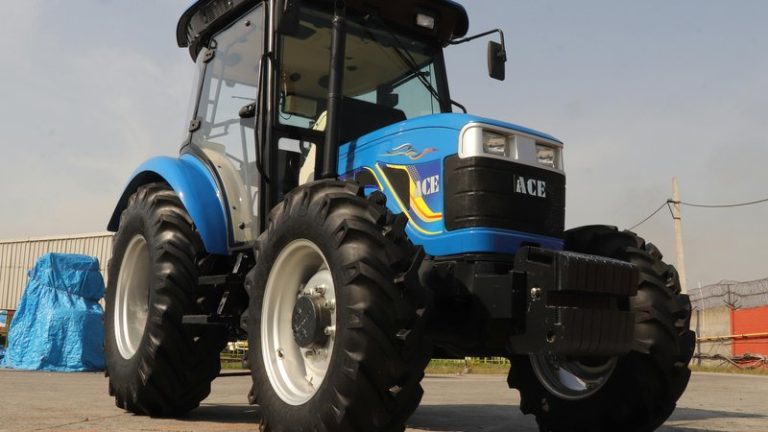
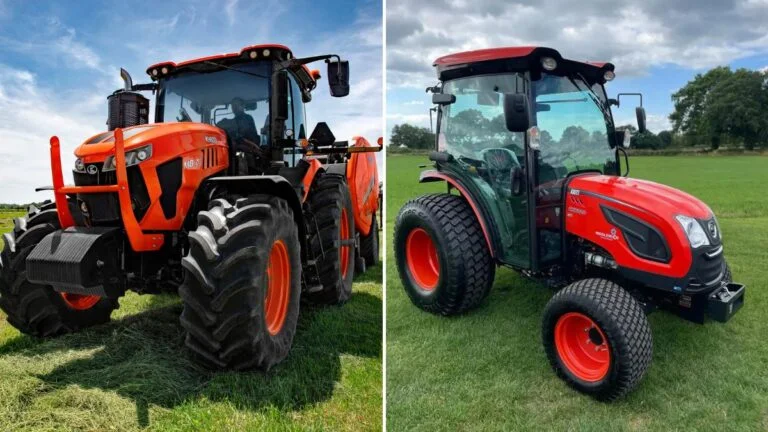
Exide has long served the agricultural market with batteries designed to endure harsh working conditions. This 6V lead-acid model is a popular choice for tractors and other farm machinery that sit idle for extended periods between seasonal uses. Its deep-discharge recovery capability is one of its standout features for farm applications.
- Key Specs: 6V, flooded lead-acid, high reserve capacity, compatible with standard farm equipment battery compartments
- Pros: Excellent deep-discharge tolerance, cost-effective for large fleets, widely available through agricultural suppliers
- Cons: Requires regular electrolyte level checks, heavier form factor compared to sealed options
3. DuraLast 6V Battery with Extended Warranty Coverage
DuraLast batteries are sold exclusively through AutoZone and are known for offering strong warranty terms that give buyers added peace of mind. The 6V variant in their lineup is a solid all-around performer for both vehicles and equipment. The extended free-replacement warranty period sets it apart from many competitors at a similar price point.
- Key Specs: 6V, sealed lead-acid, competitive CCA ratings, standard group sizing
- Pros: Strong warranty coverage, easy in-store exchange process, consistent quality control
- Cons: Only available through AutoZone locations, limited to lead-acid chemistry
4. NAPA Legend 6V Premium Performance Battery
The NAPA Legend line represents the premium tier of NAPA’s battery offerings, built for drivers and equipment operators who demand top-tier performance. This 6V model delivers consistent power output even under heavy load conditions. Its absorbed glass mat (AGM) construction significantly reduces the risk of acid leaks and vibration damage.
- Key Specs: 6V AGM, high CCA rating, spill-proof design, vibration-resistant internal construction
- Pros: Maintenance-free operation, superior vibration resistance, longer service life than standard flooded batteries
- Cons: Higher upfront cost, requires AGM-compatible charger for optimal performance
5. John Deere Original Equipment 6V Battery
For John Deere equipment owners, using an original equipment manufacturer battery eliminates compatibility guesswork entirely. This 6V battery is engineered to meet the precise electrical specifications of older John Deere tractors and utility vehicles. OEM batteries often provide the most accurate fit and performance match for legacy equipment.
- Key Specs: 6V, OEM-spec lead-acid, designed for specific John Deere tractor models, dealer-supplied warranty
- Pros: Perfect fit guarantee, dealer support network, engineered for John Deere electrical systems
- Cons: Premium price compared to aftermarket options, limited availability outside dealerships
6. East Penn Manufacturing 6V Commercial-Grade Battery
East Penn Manufacturing, the producer behind the Deka battery brand, supplies commercial-grade batteries to some of the largest fleets and industrial operations in North America. Their 6V commercial battery is built to handle repeated deep cycling without premature failure. East Penn’s commitment to domestic manufacturing ensures consistent quality across every unit produced.
- Key Specs: 6V, heavy-duty lead-acid, high amp-hour capacity, designed for commercial and industrial applications
- Pros: Exceptional build quality, strong deep-cycle performance, widely trusted by commercial operators
- Cons: Heavier than consumer-grade alternatives, may require special ordering for retail customers
7. Optima 6V RedTop Battery for High-Performance Applications
Optima’s RedTop series is legendary in the high-performance automotive world, and their 6V offering brings that same engineering excellence to classic and vintage vehicles. The spiral-cell AGM technology delivers a strong, clean burst of starting power. The RedTop’s 15-times greater vibration resistance compared to conventional batteries makes it ideal for off-road and competition use.
- Key Specs: 6V AGM spiral-cell, high CCA, spill-proof, mountable in virtually any position
- Pros: Exceptional vibration resistance, fast recharge capability, maintenance-free design
- Cons: One of the higher price points in the 6V category, not ideal for heavy deep-cycle use
8. AutoZone Valucraft 6V Budget-Friendly Option
Not every application demands a premium battery, and the Valucraft line from AutoZone serves budget-conscious buyers well for light-duty or short-term needs. This 6V option provides adequate starting power for low-demand equipment and occasional-use vehicles. For applications where the battery sits unused for most of the year, investing in a premium unit may not be cost-justified.
- Key Specs: 6V, standard flooded lead-acid, basic CCA rating, conventional group sizing
- Pros: Lowest upfront cost in the lineup, readily available at AutoZone stores, adequate for light-duty use
- Cons: Shorter expected service life, limited warranty coverage, not suitable for deep-cycle applications
9. Odyssey 6V Lithium-Ion Alternative Battery
Odyssey has been a pioneer in bringing advanced battery technology to demanding applications, and their 6V lithium-compatible option represents a significant leap forward in energy density and weight savings. Switching to a lithium-based chemistry can dramatically reduce the overall weight of your vehicle or equipment. Lithium vs. lead-acid comparisons consistently show lithium offering superior energy density, longer cycle life, and a lower total cost of ownership over time.
- Key Specs: 6V lithium-ion chemistry, significantly lighter than lead-acid equivalents, extended cycle life, built-in battery management system
- Pros: Major weight reduction, longer service life, faster recharge times, no maintenance required
- Cons: Highest upfront cost, requires lithium-compatible charger, may need adapter for older battery trays
10. Trojan 6V Deep-Cycle Battery for Renewable Energy Systems
Trojan Battery Company is the gold standard for deep-cycle batteries used in solar energy storage, golf carts, and off-grid power systems. Their 6V deep-cycle batteries are engineered to be discharged and recharged hundreds of times without significant capacity loss. Trojan’s T-105 model, for example, is one of the most widely deployed batteries in residential solar storage systems worldwide.
- Key Specs: 6V deep-cycle, flooded lead-acid, 225 amp-hour capacity (T-105), designed for 1,000+ discharge cycles
- Pros: Industry-leading deep-cycle performance, excellent capacity retention over time, strong global support network
- Cons: Requires regular watering and maintenance, heavy form factor, higher cost than standard batteries
Comprehensive Buying Guide for 6V Batteries
Choosing the right 6V battery starts with understanding exactly what your application demands. A classic car has very different power requirements than a solar energy bank or a golf cart running 18 holes daily.
Always match the battery type to the use case. Starting batteries deliver short, powerful bursts of energy, while deep-cycle batteries are designed for sustained, repeated discharge and recharge cycles.
Never substitute a starting battery in a deep-cycle application, as this will cause premature failure and potential safety hazards. Confirm the physical dimensions, terminal placement, and group size before purchasing.
Understanding Battery Lifespan and Durability Expectations
The average lifespan of a 6V lead-acid battery ranges from three to five years under normal conditions, while a well-maintained deep-cycle battery can last six to eight years or more. Lithium-ion alternatives often exceed ten years of service life with proper care.
Several factors accelerate battery degradation, including extreme temperature exposure, chronic undercharging, and allowing the battery to sit fully discharged for extended periods. Storing a battery at less than 50% charge for months at a time is one of the fastest ways to permanently reduce its capacity.
Investing in a quality battery maintainer or trickle charger during off-season storage is one of the simplest and most cost-effective ways to extend battery life significantly.
Lead-Acid vs. Alternative Battery Technologies for 6V Systems
Lead-acid batteries remain the most common choice for 6V applications due to their low upfront cost and widespread availability. However, alternative chemistries are increasingly competitive on a total cost of ownership basis.
Detailed technology comparisons between lead-acid and lithium-ion batteries reveal key differences in energy density, weight, design life, cycle life, maintenance requirements, and safety profiles. These comparisons are essential reading for anyone considering an upgrade.
AGM (Absorbed Glass Mat) batteries represent a middle ground, offering the safety and maintenance-free convenience of lithium without the full price premium. They are an excellent choice for applications where spill protection and vibration resistance are priorities.
Performance in Extreme Temperatures and Cold Weather Starting
Cold weather is the most common cause of unexpected battery failure, particularly in vintage vehicles and seasonal farm equipment. Battery capacity can drop by as much as 20% at freezing temperatures and by up to 50% in extreme cold.
Always check the Cold Cranking Amps (CCA) rating when selecting a battery for use in cold climates. A higher CCA rating means the battery can deliver more starting power at low temperatures.
Lithium-ion batteries generally outperform lead-acid in cold weather starting but may require a warm-up period in extremely low temperatures before accepting a full charge.
Detailed Technical Specifications: CCA Ratings and Amp-Hour Capacity
CCA (Cold Cranking Amps) measures the battery’s ability to start an engine in cold conditions, while amp-hour (Ah) capacity measures how much energy the battery can store and deliver over time. Both metrics are critical depending on your application.
For starting applications, prioritize CCA. For deep-cycle applications like solar storage or golf carts, prioritize amp-hour capacity and the number of rated discharge cycles.
A battery rated at 225 Ah can theoretically deliver 22.5 amps for 10 hours before reaching full discharge, though real-world performance varies based on temperature and discharge rate.
DIY Battery Testing and Diagnostics Guide
Testing your 6V battery at home requires only a basic digital multimeter or a dedicated battery load tester. A fully charged 6V battery should read approximately 6.3 volts at rest with no load applied.
A reading below 6.0 volts at rest typically indicates a battery that is either discharged or beginning to fail. A voltage drop below 5.0 volts under load is a strong indicator that replacement is necessary.
For flooded lead-acid batteries, a hydrometer test of the electrolyte specific gravity provides the most accurate assessment of battery health and state of charge.
Environmental Impact and Recycling Options for Old 6V Batteries
Lead-acid batteries are among the most recycled consumer products in the world, with recycling rates exceeding 95% in North America. Proper disposal is not just good environmental practice — in many states, it is the law.
Most auto parts retailers and battery dealers accept old batteries for recycling at no charge. EPA recycling guidelines provide detailed information on proper disposal methods and the legal framework governing battery waste management.
It is also worth noting that Public Law 104-142, the Mercury-Containing and Rechargeable Battery Management Act, was enacted specifically to phase out mercury-containing batteries and establish national recycling infrastructure for nickel-cadmium and sealed lead-acid batteries. Responsible disposal protects both human health and the environment for future generations.
Cost-Benefit Analysis of Upgrading from 6V to 12V Systems
Some classic vehicle and farm equipment owners consider converting their 6V electrical systems to 12V to gain access to a wider selection of modern batteries and accessories. This conversion involves replacing the battery, generator or alternator, coil, and various electrical components.
The total cost of a 6V to 12V conversion on a vintage tractor can range from several hundred to over a thousand dollars depending on the complexity of the system and labor costs involved. For many owners, maintaining the original 6V system is both more cost-effective and more historically authentic.
Weigh the long-term availability of quality 6V batteries in your area against the one-time conversion cost before making a decision. For most applications, high-quality 6V batteries remain readily available and fully adequate.
Battery Charger Recommendations and Compatibility
Using the correct charger is just as important as choosing the right battery. A charger designed for 12V systems will overcharge a 6V battery and cause permanent damage or a dangerous failure.
Look for a smart charger or battery maintainer that explicitly supports 6V charging modes. Smart chargers with automatic voltage detection and multi-stage charging profiles significantly extend battery service life by preventing both overcharging and undercharging.
For AGM and lithium batteries, always verify that the charger is compatible with the specific battery chemistry before connecting it. Using a standard flooded-battery charger on an AGM unit can reduce its lifespan considerably.
Long-Term Storage Solutions for Seasonal Equipment
Batteries in seasonal equipment — such as vintage tractors, classic cars, and golf carts — face unique challenges during long periods of inactivity. Self-discharge during storage can leave a battery fully depleted, causing irreversible sulfation in lead-acid batteries.
Connecting a quality float charger or battery tender during storage keeps the battery at an optimal charge level without risk of overcharging. Storing batteries in a cool, dry location away from direct sunlight and temperature extremes can extend their usable life by one to two years.
If you enjoy growing food or plants on your homestead alongside maintaining your equipment, sustainable practices extend beyond the garden. Resources like zero-waste gardening offer practical ideas for reducing waste across your entire property, complementing the responsible battery disposal habits discussed in this guide.
Taking the time to properly store, maintain, and eventually recycle your 6V battery is a small investment that pays dividends in performance, safety, and environmental responsibility. Whether you are powering a treasured classic vehicle or an off-grid solar array, the right battery — properly cared for — will serve you reliably for years to come.