Agricultural Labor Shortage: Data & Solutions (2026 Update)

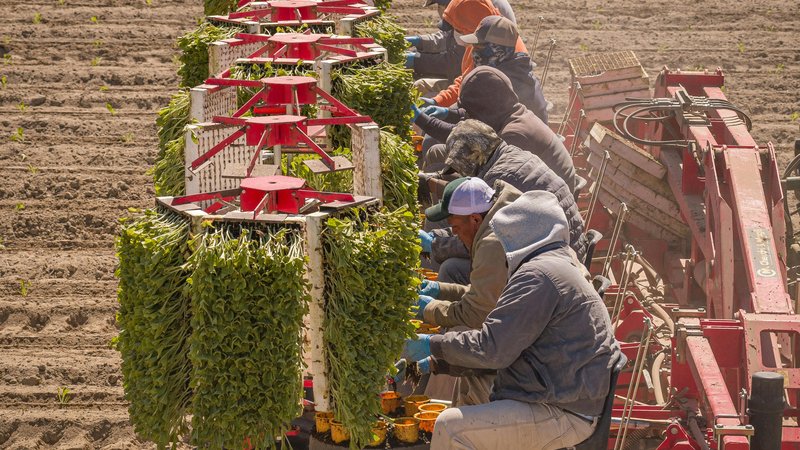
The agricultural labor shortage has become one of the most pressing challenges facing food production systems worldwide. Farms that depend on seasonal and year-round workers are struggling to fill roles that keep crops harvested, livestock managed, and operations running. The gap between available workers and open positions is widening, and without deliberate policy, technological, and cultural shifts, the consequences for food security could be severe.
Understanding this crisis requires looking beyond simple supply-and-demand economics. It involves immigration policy, wage structures, demographic change, mental health, and the growing appeal of automation. Each of these forces intersects in ways that make the labor problem uniquely complex for the agricultural sector compared to any other industry.
Understanding the Agricultural Labor Crisis
Farm labor has always been physically demanding, seasonal, and often low-paying relative to other industries. These structural disadvantages have made recruitment and retention persistently difficult for agricultural employers.
Farm labor data from the USDA Economic Research Service shows that hired farmworkers represent a critical but shrinking share of the agricultural workforce. The pipeline of willing workers continues to narrow as competing industries offer better conditions.
Domestic workers have largely moved away from farm labor over generations. This has made the industry increasingly dependent on foreign-born workers, particularly those from Latin America, to fill essential roles.
Demographic Shifts and the Aging Farm Workforce
The average age of both farm operators and hired farmworkers is rising steadily. Younger generations are not entering agricultural work at rates sufficient to replace those who are retiring or leaving the industry.
This aging dynamic creates a compounding problem. As experienced workers exit, institutional knowledge of crop cycles, equipment, and land management leaves with them, making training new workers even more resource-intensive.
Organizations like the FFA are working to reverse this trend. Record-high membership in the FFA signals some renewed youth interest in agriculture, though translating that interest into long-term farm labor participation remains a challenge.

Immigration Policy and the H-2A Visa Program
The H-2A temporary agricultural worker program is the primary legal pathway for farms to hire foreign workers. It allows U.S. agricultural employers to bring in workers from other countries when domestic labor is insufficient.
However, the program is widely criticized for being expensive, administratively burdensome, and slow. Many small and mid-sized farms cannot afford the compliance costs or navigate the paperwork without dedicated legal support.
Despite its limitations, H-2A usage has grown dramatically over the past decade. This growth reflects just how severe the domestic labor gap has become, particularly for labor-intensive crops like fruits, vegetables, and tobacco.
Wage Standards and the Adverse Effect Wage Rate
Farms using the H-2A program must pay at least the Adverse Effect Wage Rate (AEWR), a federally mandated minimum designed to prevent foreign workers from undercutting domestic wages. These rates vary by state and are updated regularly.
Current AEWR data from the Department of Labor illustrates how wage floors differ significantly across regions. Farms in higher-wage states face substantially greater labor costs, which can affect their competitiveness and profitability.
Wage compliance is non-negotiable for H-2A employers, and violations can result in program disqualification. Staying current with annual AEWR updates is a critical administrative responsibility for any farm using the program.
Regional Variations in Labor Shortage Severity
Labor shortages are not uniformly distributed across the United States. Geographic and economic conditions create vastly different realities depending on the state or region.
According to the U.S. Chamber of Commerce, some states like South Dakota have as few as 41 available workers for every 100 open jobs, while states like California report a surplus with 153 workers per 100 openings. This imbalance shapes how urgently farms in different regions must pursue alternative labor strategies.
For agricultural operations in worker-scarce states, the pressure to automate, recruit internationally, or restructure operations is far more acute. Farms in labor-surplus regions still face challenges but have more flexibility in their hiring approach.
Technology and Automation as Labor Solutions
Automation is increasingly viewed as a long-term answer to chronic labor shortfalls. Robotic harvesters, autonomous tractors, and AI-driven crop monitoring are moving from experimental to operational status on many farms.
Exploring AI in agriculture reveals both the promise and the complexity of these tools. While technology can reduce dependence on manual labor, the upfront investment is often prohibitive for smaller operations.
Adoption rates also vary by crop type. Grain and commodity crops have been mechanized for decades, but soft fruits, leafy greens, and specialty crops still require significant human handling that machines struggle to replicate reliably.
Impact on Labor-Intensive Crop Production
Crops that require hand-harvesting or careful manual tending are the most vulnerable to labor shortages. Strawberries, asparagus, tree fruits, and certain vegetables face the greatest risk of harvest losses when workers are unavailable.
USDA chart data on crop production trends helps illustrate how output in labor-intensive categories has been affected over time. Growers in these sectors are often the first to feel the economic consequences of a tightening labor pool.
Some producers have responded by shifting to less labor-intensive crops or reducing planted acreage. Both strategies carry their own financial trade-offs and long-term implications for farm viability.
Farmworker Housing and Living Conditions
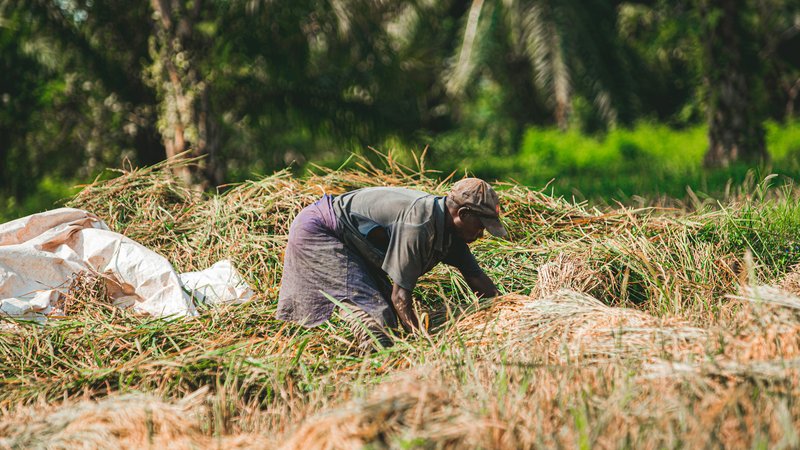
Inadequate housing is a persistent barrier to farmworker recruitment and retention. Many agricultural regions lack sufficient affordable housing near farm operations, forcing workers into long commutes or overcrowded conditions.
H-2A regulations require employers to provide free housing to workers, but the quality and availability of that housing varies widely. Substandard accommodations contribute to worker dissatisfaction and high turnover rates.
Investing in quality farmworker housing is one of the most direct ways to improve recruitment outcomes. Farms that offer safe, comfortable living arrangements consistently report better worker retention than those that provide only the minimum required.
Mental Health and Burnout Among Agricultural Workers
The psychological toll of farm labor is a dimension of the workforce crisis that is often overlooked. Both farm owners and hired workers face intense and ongoing stressors that affect their wellbeing and job performance.
Research on farmer wellbeing confirms that farmers globally experience high levels of depression, anxiety, burnout, suicide ideation, and suicide. These mental health challenges reduce workforce stability and contribute to early exit from the industry.
Access to mental health resources in rural agricultural communities remains limited. Addressing this gap is not only a humanitarian priority but also a practical strategy for maintaining a stable and productive farm workforce.
Training and Skill Development Programs
A more skilled agricultural workforce is better equipped to handle modern farming demands, including operating precision equipment and managing complex growing systems. Yet formal training programs for farmworkers remain underfunded and underutilized.
Community colleges, agricultural extension services, and industry associations have developed workforce training curricula, but participation rates are low. Barriers include language, scheduling conflicts, and lack of awareness among eligible workers.
On-farm training paired with certification pathways has shown the most promise for improving skill levels without pulling workers away from their primary responsibilities. Employers who invest in training also tend to see stronger loyalty and reduced turnover.
Seasonal Versus Year-Round Labor Strategies
Many farms operate on seasonal labor models, hiring large numbers of workers during planting and harvest and retaining few or none during off-peak periods. This approach creates instability for workers and limits the development of a reliable labor base.
Transitioning toward year-round employment models, where feasible, can significantly improve worker commitment and reduce the annual scramble to fill positions. Diversified operations that stagger crop cycles are better positioned to offer continuous employment.
Year-round workers also accumulate farm-specific knowledge that makes them more productive over time. Labor quality gains have historically been a meaningful driver of agricultural output growth in the United States.
Worker Retention Strategies and Best Practices
Retention is ultimately cheaper than recruitment. Farms that invest in keeping good workers avoid the recurring costs of advertising, screening, onboarding, and training replacements each season.
Competitive wages, respectful management, clear communication, and safe working conditions are the foundational elements of effective retention. These are not extraordinary measures—they are baseline expectations that too many agricultural operations still fail to meet consistently.
Offering end-of-season bonuses, housing assistance, and pathways to permanent employment are among the most effective retention incentives reported by farm employers with low turnover rates. Small operational adjustments can yield significant workforce stability gains.
Farm Profitability and Financial Sustainability
Labor costs represent one of the largest expense categories for most agricultural operations. As wages rise and worker availability tightens, maintaining profitability requires careful financial planning and operational efficiency.
Farms that fail to account for rising labor costs in their budgets often find themselves in financial distress during peak seasons. Proactive cost modeling and scenario planning are essential management tools in the current environment.
Diversifying revenue streams, participating in value-added markets, and exploring direct-to-consumer sales channels can all help offset increasing labor expenditures. Financial resilience at the farm level also supports the ability to offer better worker compensation.
Succession Planning for Farm Operations
The aging of the farm operator population makes succession planning an urgent priority. Without a clear plan for transferring ownership and management, many farms face dissolution rather than continuation across generations.
Succession challenges also affect labor. When farm leadership transitions are poorly managed, experienced workers often leave, taking irreplaceable operational knowledge with them. Stable ownership transitions tend to produce more stable workforces.
Beginning farmer programs and agricultural mentorship networks play a vital role in connecting retiring operators with new entrants. Strengthening these pipelines is essential for maintaining both farm ownership continuity and workforce stability.
International Agricultural Labor Market Comparisons
The United States is not alone in facing agricultural labor shortfalls. Countries including Canada, the United Kingdom, Australia, and much of Western Europe report similar challenges driven by demographic change and shifting worker preferences.
Many of these nations have developed guest worker programs, bilateral labor agreements, and automation incentives that offer instructive models for U.S. policymakers. Learning from international approaches can accelerate the development of more effective domestic solutions.
Adapting farm systems to changing environmental conditions is also part of the international conversation. Addressing climate change in agriculture is increasingly intertwined with labor strategy, as shifting growing seasons and extreme weather events directly affect when and where workers are needed.
The path forward on agricultural labor will require simultaneous action across policy, technology, worker welfare, and farm management practices. No single solution is sufficient on its own, and the stakes for global food security demand that all available tools be deployed with urgency and coordination.