
Motor Oil as Wood Preservative: Benefits & Application

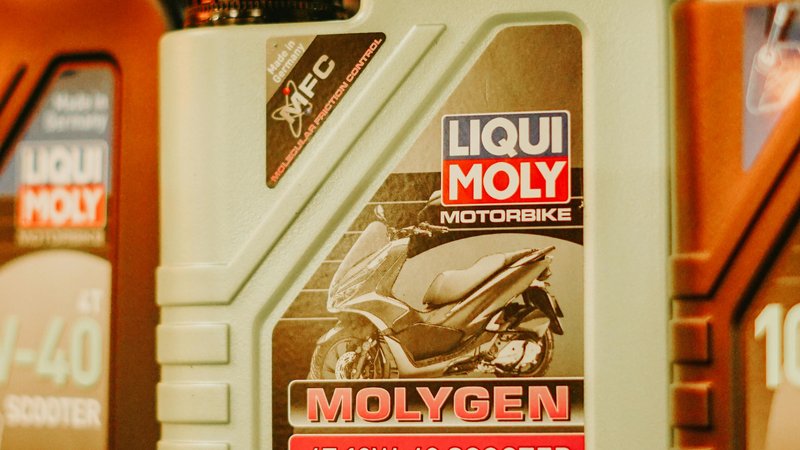
Using motor oil as a wood preservative is a practice that stretches back generations, particularly among farmers, ranchers, and homesteaders looking for a low-cost way to protect fence posts, barn siding, and outdoor lumber. The oil penetrates the wood grain, repelling moisture and creating a barrier that slows the natural decay process. It is a method born out of practicality, and it continues to attract interest from those managing large properties on tight budgets.
That said, this approach is far from straightforward. There are meaningful differences between using new oil and used oil, significant environmental and health considerations, and a growing body of regulation that governs how waste motor oil can legally be handled and applied. Understanding all of these dimensions is essential before you reach for that old drain pan.
Understanding Motor Oil as a Wood Preservative
Motor oil works by saturating the wood’s cellular structure, displacing moisture and reducing the conditions that allow fungi and rot organisms to thrive. The hydrophobic nature of oil makes treated wood highly resistant to rain and ground-level moisture exposure.
The effectiveness depends heavily on the wood species, its porosity, and the condition of the oil used. Softwoods like pine tend to absorb oil more readily than dense hardwoods, making them more responsive to this type of treatment.
Used Motor Oil vs New Motor Oil for Wood Protection
New motor oil is cleaner and more consistent in composition, but it is also significantly more expensive. Used motor oil, collected after engine service, is far cheaper and widely available, which is why it is the more commonly discussed option for wood treatment.
However, used oil contains combustion byproducts, heavy metals, and polycyclic aromatic hydrocarbons (PAHs) that accumulate during engine use. These contaminants introduce risks that do not exist with fresh oil, and they are central to the environmental and health debate surrounding this practice.
Application Methods and Best Practices
The most common application method is brushing warm oil directly onto bare, dry wood using a stiff-bristled brush. Warming the oil slightly reduces its viscosity and improves penetration, especially on dense or weathered surfaces.
Some practitioners prefer submersion or soaking for smaller pieces like fence posts, allowing the wood to absorb oil over several hours. Always apply in dry conditions and allow full absorption before the wood is exposed to rain.
Cost-Effectiveness and Economic Considerations
Used motor oil is often available at no cost from auto repair shops, service stations, or fleet maintenance facilities. For large-scale applications like treating hundreds of fence posts, this zero-cost sourcing can represent substantial savings compared to commercial sealers.
The trade-off is the labor and safety infrastructure required. Proper protective gear, application tools, and responsible disposal of excess oil all add indirect costs that should be factored into any honest economic comparison. If you are exploring zero-waste gardening practices on your property, the waste management angle of this method deserves careful thought.
Environmental and Health Safety Concerns
This is arguably the most critical section of any honest discussion on this topic. Health risks are well-documented: long-term exposure to PAHs is linked to cancer, respiratory issues, and skin irritation. Treated wood may also release volatile organic compounds (VOCs) or fumes, especially in hot weather, posing risks to nearby residents or animals.
Soil contamination is another serious concern. Oil that leaches from treated wood into the surrounding ground can persist for years, affecting soil biology and potentially reaching groundwater. Never use oil-treated wood in raised garden beds or any structure in direct contact with food-growing soil.
Legal Regulations for Waste Motor Oil Use
Regulations governing the use of used motor oil vary by jurisdiction, but federal oversight in the United States is substantial. Federal regulations under 40 CFR Part 279 specify that, except as provided in § 279.11, the rules apply to used oil whether or not it exhibits characteristics of hazardous waste.
This means that applying used motor oil to wood surfaces may constitute a regulated use or disposal activity depending on your state. Always consult your state environmental agency before using used motor oil as a wood treatment. Non-compliance can result in significant fines and remediation requirements.
Motor Oil Performance vs Commercial Wood Sealers
Commercial wood sealers and preservatives are formulated with specific biocides, UV inhibitors, and penetrating agents designed to maximize protection across multiple threat vectors simultaneously. Motor oil addresses moisture and some biological threats but offers no UV protection.
In direct comparison, commercial treatments generally outlast motor oil applications and provide more predictable, consistent results. The performance gap is most pronounced in climates with intense sun exposure or significant freeze-thaw cycling.
Effects on Wood Appearance and Weathering
Motor oil darkens wood significantly upon application, producing a deep brown to near-black tone depending on the oil’s condition and the wood species. This aesthetic change is permanent and cannot be easily reversed.
Over time, oiled wood weathers to a matte, darkened finish. Unlike commercial stains that may fade gracefully, oil-treated wood can develop an uneven, blotchy appearance in areas where absorption was inconsistent.
Protection Against Wood Rot and Insect Damage
Motor oil creates an inhospitable environment for the fungi responsible for wood rot by reducing the moisture content that these organisms require to survive. This makes it reasonably effective for ground-contact applications like fence posts and structural supports.
Its effect on wood-boring insects is less certain. While the oil may deter some surface insects, it does not contain the systemic insecticides found in dedicated preservative products designed to address termites or carpenter beetles.
Application Techniques for Different Wood Types
Porous softwoods like pine, spruce, and fir absorb motor oil quickly and benefit from two coats applied in succession. Allow the first coat to penetrate fully before applying the second to maximize depth of treatment.
Dense hardwoods such as oak or hickory require more preparation. Lightly sanding or wire-brushing the surface before application opens the grain and dramatically improves oil absorption. Heating the wood in direct sunlight before treatment can also help.
Longevity Comparison: Motor Oil and Alternative Treatments
A single motor oil treatment on a fence post may extend its service life by several years in dry, moderate climates. In wet or tropical environments, the protection degrades faster and reapplication is typically needed every two to three years.
By comparison, pressure-treated lumber with modern preservatives is engineered for decades of ground-contact service with no reapplication. For high-stakes structural applications, the longevity gap between motor oil and engineered treatments is significant.
Fire Safety Implications of Oil-Treated Wood
Oil-impregnated wood carries a higher ignition risk than untreated or water-based treated wood. Do not use motor oil treatment on wood near open flames, fire pits, outdoor grills, or any structure where fire risk is a concern.
The fire risk is most acute immediately after application when surface oil has not yet fully absorbed. Freshly treated wood should be kept away from any ignition sources until it is completely dry and the surface oil has penetrated fully.
Wood Breathability and Moisture Regulation
One underappreciated drawback of heavy oil treatment is the reduction in wood breathability. Wood naturally expands and contracts with humidity changes, and sealing it too thoroughly can trap internal moisture and accelerate internal decay even while the surface appears protected.
This is particularly relevant for structural timbers in humid climates. A lighter application that protects without completely sealing the wood is generally more effective for long-term structural integrity than a heavy, saturating treatment.
Animal Attraction and Safety Considerations
Used motor oil has a distinctive odor that can attract curious animals, including livestock, dogs, and wildlife. Animals that lick or chew oil-treated wood are at risk of ingesting toxic compounds including heavy metals and PAHs.
Never use motor oil treatment on wood that animals can access, including fence rails, stall boards, or any structure in a pasture or animal enclosure. The toxicity risk to animals is well-established and should be a firm boundary in any application decision.
Sourcing and Obtaining Used Motor Oil
Auto repair shops and quick-lube facilities generate large volumes of used motor oil and are often willing to provide it at no charge to avoid disposal costs. Fleet operators, agricultural cooperatives, and farm equipment dealers are also reliable sources.
Always store collected used oil in sealed, labeled containers away from heat sources and out of reach of children and animals. Mixing used motor oil with other fluids like antifreeze or brake fluid creates a hazardous waste mixture that is subject to stricter disposal regulations.
Mixing Ratios and Additives for Enhanced Protection
Some practitioners thin motor oil with mineral spirits or diesel fuel to improve penetration into dense wood. A common ratio is roughly three parts oil to one part solvent, though this increases both flammability and VOC emissions during and after application.
Others add pine tar to the mixture to introduce natural biocidal properties and improve the oil’s adhesion to the wood surface. Any additive that increases the hazardous character of the mixture may also increase its regulatory status under applicable waste oil rules.
Removal and Stripping of Motor Oil Treatment
Removing motor oil from wood is genuinely difficult. The oil penetrates deeply into the grain and cannot be washed away with water. Chemical strippers formulated for oil-based finishes can reduce surface oil but rarely eliminate deep penetration.
In practice, wood that has been treated with motor oil is committed to that treatment path. If you anticipate ever wanting to paint, stain, or apply a different finish to the wood, motor oil treatment is not a suitable choice.
Dust and Debris Management on Oiled Surfaces
Oil-treated surfaces attract and hold dust, pollen, sawdust, and organic debris more readily than dry or sealed wood. This buildup can create a surface environment that actually encourages mold growth in humid conditions, partially offsetting the preservation benefit.
Periodic cleaning with a stiff brush or low-pressure rinse helps manage debris accumulation. In areas with heavy pollen seasons or dusty conditions, this maintenance step becomes especially important for preserving the treatment’s effectiveness.
Long-Term Durability and Maintenance Requirements
Motor oil treatment is not a one-time solution. Reapplication is typically required every few years depending on climate, sun exposure, and the intensity of weathering the wood experiences. End-grain areas and ground-contact zones need the most frequent attention.
Building a maintenance schedule into your property management plan is essential if you choose this approach. Treating wood that has dried out and begun to crack is far less effective than maintaining consistent protection through regular, proactive reapplication.
Alternative Oils and Natural Preservation Options
For those who want the penetrating, moisture-blocking benefits of oil treatment without the toxicity concerns of used motor oil, several natural alternatives exist. Linseed oil, tung oil, and hemp oil all offer meaningful wood protection with substantially lower environmental and health risk profiles.
These plant-based oils are biodegradable, non-toxic to animals, and compatible with food-safe applications in garden structures. They cost more than free used motor oil, but for applications near edible gardens or livestock, the safety margin is well worth the investment. Homesteaders focused on trees every homesteader should consider planting may find that sustainable, non-toxic wood treatment aligns naturally with their broader land stewardship values.
Ultimately, motor oil as a wood preservative occupies a narrow but real niche: low-cost, accessible protection for non-sensitive applications like remote fence posts or outbuildings far from water sources, gardens, and animals. The practice demands honest awareness of its limitations, its legal standing under waste oil regulations, and the genuine health and environmental risks it carries. Approached with that full picture in mind, it can be a practical tool — but it is never a casual or consequence-free one.