
Trees Every Homesteader Should Plant

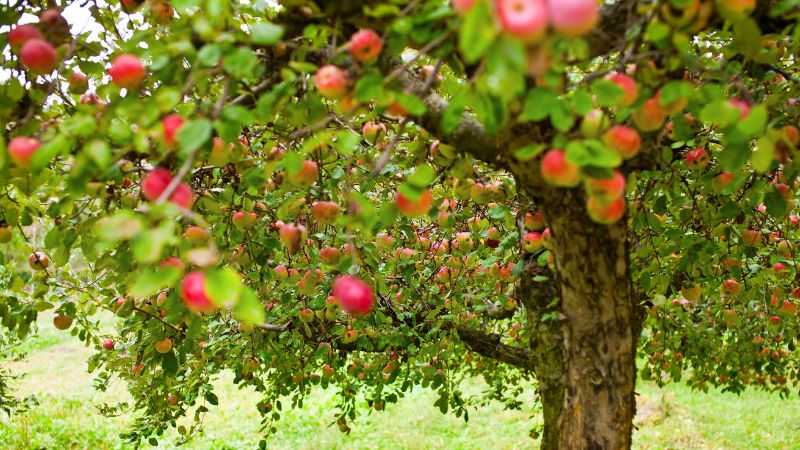
For homesteaders, planting trees is more than just landscaping; it’s about creating a sustainable and resourceful environment. Trees not only provide shade and wind protection but also contribute to the soil’s health, support wildlife, and can offer a food source. The right trees can provide timber, fruit, nuts, and even medicinal benefits, making them essential elements of a self-sufficient homestead.
Choosing the right trees to plant requires consideration of the local climate, soil type, and the specific needs of the property. Some trees offer quick yields, while others are more of a long-term investment. Here, we’ll discuss 11 types of trees that every homesteader should consider for their benefits and versatility.
Apple Trees
Apple trees are a top choice for homesteaders due to their practical yield and the variety of apple types available. These trees can provide fruit for eating, cooking, and preserving, making them a versatile addition to any homestead.
Planting apple trees requires some planning, as they need full sun and well-drained soil to thrive. Different varieties might also require cross-pollination, so planting more than one type of apple tree is often necessary.
Once established, apple trees can produce fruit for decades. Pruning and proper care are essential to maintain health and productivity. Harvesting apples can become a family activity each fall, and the surplus can be used for pies, sauces, or cider.
Walnut Trees
Walnut trees are valuable not only for their nuts but also for their high-quality wood, which can be used in furniture making and other crafts. They are robust and can provide a significant canopy of shade, making them excellent for wind protection as well.
These trees prefer deep, fertile soil and can take several years to start producing nuts. However, their long-term benefits are worth the wait. Walnut trees are relatively low maintenance but do require ample space to grow due to their large size.
Harvesting walnuts involves collecting the fallen nuts in autumn, a process that can be labor-intensive but rewarding. The nuts can be dried and stored for long periods, providing a healthy food source through the winter months.
Maple Trees
Maple trees are not only beautiful but also functional. They can be tapped for sap, which can be boiled down to make maple syrup. Aside from this, they offer excellent shade and are ideal for creating shelter belts or windbreaks.
Planting maple trees requires consideration of space, as they can grow quite large. They thrive in well-drained soil and can adapt to a variety of soil types, making them versatile for different homestead layouts.
Maple syrup production is a rewarding homesteading activity that begins in late winter or early spring when the sap starts to flow. The process of tapping, collecting, and boiling down sap is labor-intensive but yields a product that can be enjoyed year-round and sold for additional income.
Peach Trees
Peach trees can add a bounty of sweet fruits to a homestead in the right climates. They require warm temperatures and careful handling to prevent disease and pests, which can be common in peach orchards.
These trees need full sun and well-drained, fertile soil to flourish. Regular pruning and pest management are essential to ensure a healthy yield. Peach trees are relatively fast producers, often bearing fruit a few years after planting.
Harvesting peaches is typically done in the late summer. The fruits can be eaten fresh, canned, or used in baking, providing a versatile and delicious resource for the homesteader’s kitchen.
Pecan Trees
Pecan trees are another excellent choice for both their edible nuts and the deep shade they provide. These trees are particularly suited to warmer climates and can live and produce nuts for many decades.
They require a significant amount of space due to their large size and extensive root systems. Pecan trees prefer deep, moist, well-drained soil and benefit from regular fertilization and watering.
Harvesting pecans involves collecting the nuts from the ground in the fall. These nuts can be eaten fresh, stored, or sold, making them a valuable crop for homesteaders.
Cherry Trees
Cherry trees are popular among homesteaders for their beautiful blossoms and tasty fruit. There are varieties suitable for both warm and cool climates, making them adaptable to many homesteading locations.
These trees need well-drained, fertile soil and a sunny location to thrive. They are susceptible to pests and diseases, so proactive management is necessary to maintain a healthy orchard.
Harvesting cherries typically occurs in early summer, depending on the climate and variety. The fruit can be used fresh, dried, or preserved, offering a range of uses from pies to preserves.
Fig Trees
Fig trees are well-suited to warmer climates and can produce bountiful harvests of sweet fruits. They are relatively low maintenance and can be grown in the ground or containers, making them versatile for different homestead setups.
These trees prefer well-drained soil and a protected location with plenty of sunlight. Figs are sensitive to frost, so in cooler climates, they may need to be grown in pots and moved indoors during the winter.
Harvesting figs is done when the fruit is soft and ripe, usually in late summer or early fall. Figs are delicious fresh or can be dried for long-term storage, adding a valuable and exotic element to the homestead’s food resources.
Olive Trees
Olive trees are an excellent choice for homesteaders in warmer, drier climates. They are drought-tolerant once established and can produce olives for eating or making oil, which is a valuable commodity for cooking and selling.
These trees require well-drained soil and plenty of sun. They are generally hardy but do need protection from severe frosts. Olive trees are slow growers and may take several years to begin producing fruit.
Harvesting olives is labor-intensive, as it often involves hand-picking the fruit. However, the yield of olives and olive oil can provide a significant boost to a homesteader’s self-sufficiency and potential income.
Pear Trees
Pear trees are another fruit-bearing option that can thrive in a variety of climates. They provide a steady yield of fruit that can be eaten fresh, canned, or used in desserts, making them a valuable addition to any homestead.
These trees need well-drained, fertile soil and full sun to partial shade. Pear trees are relatively easy to grow and maintain but do require pruning and some pest control to prevent disease.
Harvesting pears typically occurs in late summer or early fall, when the fruit is still firm. Pears ripen off the tree, so careful handling and storage are necessary to ensure they develop the best flavor and texture.
Citrus Trees
Citrus trees, including oranges, lemons, and limes, are ideal for homesteaders in warmer climates. They provide vitamin-rich fruits that can be used fresh, juiced, or in cooking, offering both nutritional and culinary benefits.
These trees enjoy sunny spots and well-drained soil. They require regular watering and fertilization to produce healthy fruit. Citrus trees are also susceptible to pests and diseases, so monitoring and preventive care are important.
Harvesting citrus fruits depends on the type and variety, but it generally occurs when the fruits have fully colored and are slightly soft to the touch. This can mean year-round productivity in the right climates, providing a continuous supply of fresh fruits.
Birch Trees
While not typically known for fruit or nuts, birch trees are valuable for their sap, which can be turned into syrup, similar to maple syrup. They also offer aesthetic beauty and practical uses in landscaping for wildlife habitat and erosion control.
Birch trees prefer cooler climates and moist, well-drained soil. They can be susceptible to pests and diseases, so keeping them healthy requires some care and attention.
Harvesting birch sap is a spring activity, much like maple syrup production. The sap can be collected and boiled down to create a uniquely flavored syrup that can be used as a sweetener or sold as a specialty product.


