Grow Bag Gardening Do’s and Don’ts

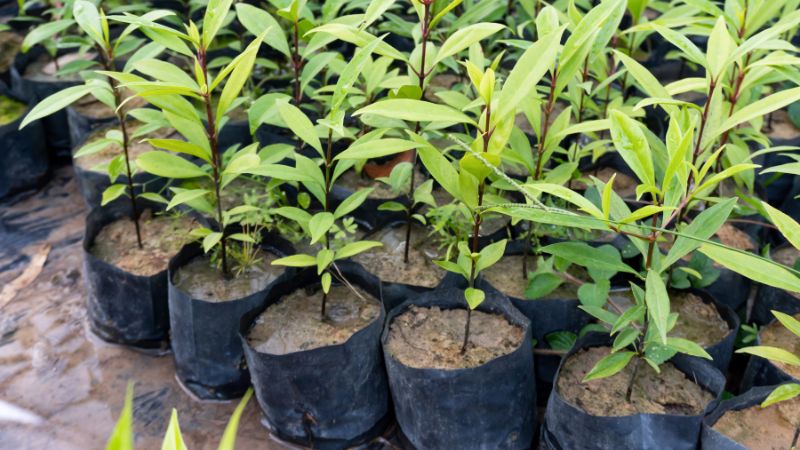
Grow bag gardening offers a versatile and efficient way to cultivate plants in limited spaces or non-traditional garden settings. Ideal for urban gardeners, renters, or those with poor soil conditions, grow bags provide excellent soil aeration and drainage, which are essential for healthy root development. This method allows for greater control over the growing environment and can be an effective solution for many common gardening challenges.
However, like any gardening method, there are certain best practices to follow and pitfalls to avoid to maximize the success of your grow bag garden. Understanding these do’s and don’ts will help ensure that your plants thrive, giving you a bountiful harvest regardless of your gardening space constraints.
Do’s
When using grow bags, there are several strategies you should employ to get the most out of your gardening efforts:
Choose the Right Size Grow Bag
Selecting the correct grow bag size is crucial to accommodate the root systems of the plants you wish to grow. Smaller bags are great for herbs and shallow-rooted plants, while larger ones can house vegetables like tomatoes and root crops.
The right size ensures that plants have enough room to expand their roots and access the nutrients and water they need. Crowded roots can lead to stunted growth and reduce the overall health of the plant.
Use High-Quality Potting Mix
Always fill your grow bags with a high-quality potting mix that promotes good drainage and aeration. These mixes are specifically designed for container gardening and help prevent waterlogging and nutrient depletion.
Avoid using regular garden soil as it can compact in the bag, restrict airflow, and harbor pathogens that might harm your plants. A quality potting mix will support vigorous plant growth and yield.
Ensure Proper Drainage
Good drainage is key to preventing root diseases and ensuring plant health. While grow bags inherently prevent water retention due to their permeable materials, proper placement is still necessary.
Position your grow bags on a surface that allows water to drain away freely, avoiding trays or saucers that collect water, as these can lead to over-saturation and root issues.
Rotate Your Crops
Rotating your crops is essential in preventing soil-borne diseases and managing nutrient levels within the soil. Changing what you plant in each bag from season to season minimizes the risk of these issues.
Crop rotation also disrupts the life cycles of pests that may have adapted to the previous plant type, further protecting your garden’s health.
Water Regularly
Due to their permeable nature, grow bags tend to dry out faster than traditional pots or garden beds. It is crucial to water them regularly, especially during hot, dry periods.
Monitor the soil moisture closely—too little water can stress plants, reducing their growth and yield, while too much can cause root rot and fungal infections.
Don’ts
To avoid common mistakes in grow bag gardening, consider these precautions:
Overcrowd the Bag
It’s important not to overcrowd your grow bags. Too many plants competing for limited space and resources can lead to poor air circulation and light penetration, which can stunt growth and promote disease.
Give each plant ample space to grow. This will ensure that each one receives enough light, air, and nutrients, which are vital for optimal development and yield.
Neglect to Monitor Soil Health
Just because your garden is in a bag doesn’t mean you can ignore soil health. Periodically check the soil for signs of nutrient deficiency or pest problems, and adjust your care routine accordingly.
Amending the soil with compost or a balanced fertilizer can replenish nutrients and keep your plants healthy throughout the growing season.
Use the Same Soil for Multiple Seasons
Avoid using the same soil in your grow bags for consecutive seasons without making amendments. Over time, soil can become compacted and lose its nutrient content, which can lead to poor plant performance.
Refresh the soil annually by adding new potting mix or organic matter to maintain its structure and fertility. This helps to keep your plants vigorous and productive.
Ignore Plant Supports
Support is crucial for certain types of plants, such as tomatoes, peas, and cucumbers, which can grow tall or climb. Failing to provide support can lead to plants that are prone to bending or breaking.
Install stakes or trellises in your grow bags at planting time to ensure your plants have the support they need as they grow. This prevents damage and can lead to a more orderly garden.
Place Grow Bags on Impervious Surfaces Without Protection
Be mindful of where you place your grow bags, especially on hard, impervious surfaces like concrete or decking. These surfaces can be damaged by water stains or salt deposits from fertilizers.
Using a protective barrier like a gardening mat or pot feet can prevent damage to your surfaces and ensure excess water drains effectively. This simple step keeps your growing area tidy and functional.