Best Pepper Varieties to Grow at Home

Growing your own peppers at home can be a rewarding experience that adds spice and color to your garden and your cooking. With numerous varieties to choose from, each offering its own unique flavor, heat level, and growth habits, there’s a pepper for every palate and garden space. Whether you’re a fan of sweet bell peppers or the fiery punch of hotter varieties, cultivating these versatile plants can be simple and enjoyable.
Choosing the right varieties is crucial for successful cultivation. Factors like climate, available space, and personal taste will guide your selection. To help you get started, we’ve compiled a list of eight excellent pepper varieties that are both popular and easy to grow in a home garden setting.
Bell Peppers
Bell peppers are a staple in many kitchens due to their sweet flavor and crisp texture. They come in a variety of colors, including red, yellow, green, and purple, each with its own distinct taste. These peppers are perfect for those who prefer non-spicy options.
Growing bell peppers requires a warm growing season; they thrive in temperatures that are consistently above 65 degrees Fahrenheit. They need well-drained, nutrient-rich soil and at least six hours of sunlight daily to develop their full color and sweetness.
When planting bell peppers, space them about 18 inches apart to ensure they have enough room to grow. Regular watering is essential, especially once the plants start to flower and fruit. A balanced fertilizer can also help promote healthy growth and a bountiful harvest.
Jalapeño Peppers
Jalapeño peppers are a popular choice for those who enjoy a mild to moderate heat. These medium-sized peppers are typically harvested when green, although they can be left to ripen until they turn red. Jalapeños are versatile in the kitchen, used in everything from salsa to stuffed appetizers.
These peppers prefer warm conditions and should be planted in a sunny spot with well-draining soil. They are relatively easy to grow and can be quite prolific producers, making them a great choice for beginners.
Water jalapeños regularly, keeping the soil consistently moist but not waterlogged. Mulching around the base of the plants can help retain soil moisture and suppress weeds. Harvesting jalapeños while they are green will encourage the plant to produce more fruit throughout the season.
Habanero Peppers
Habanero peppers are well-known for their intense heat and are often used in hot sauces and spicy dishes. They typically range from orange to red when ripe and have a fruity undertone beneath their fiery flavor.
Habaneros require a long growing season and are best suited for warmer climates. They need full sun and well-drained soil, enriched with organic matter to support their growth.
These peppers need regular watering, especially in the hotter months, to prevent the soil from drying out completely. Be cautious when handling habaneros, as their oils can cause skin irritation. Wearing gloves during planting and harvesting can provide protection.
Poblano Peppers
Poblano peppers are a mild chili pepper traditionally used in Mexican cuisine. When dried, they are known as ancho chilies. Poblanos are typically dark green, becoming almost black when mature, and have a mild, earthy flavor.
Poblanos grow best in a sunny spot with fertile, well-drained soil. They are larger plants, generally needing about 2 feet of space on all sides to spread out.
Watering poblanos regularly and deeply helps to ensure steady growth and prevents the fruit from becoming too spicy. These peppers are perfect for roasting and stuffing due to their large size and mild heat level.
Cayenne Peppers
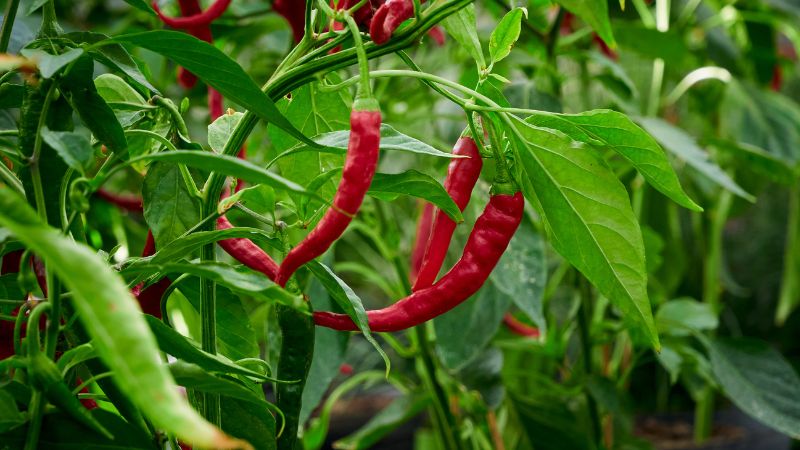
Cayenne peppers are long, slender peppers best known for their use in dried and powdered form. They offer a high heat level and are excellent for adding spice to dishes without overwhelming the other flavors.
These peppers thrive in hot conditions and need full sun to develop their potent heat. They should be planted in well-drained soil and spaced about a foot apart to allow for adequate air circulation.
Cayenne peppers require consistent moisture throughout the growing season, especially as the fruits begin to form. Overwatering, however, can dilute their heat, so maintaining a balance is crucial. Harvesting regularly can also encourage a more prolific yield.
Serrano Peppers
Serrano peppers are another hot variety that is slightly hotter than the jalapeño. They are typically harvested while still green, though they can also be allowed to ripen to red, orange, or yellow.
Serranos are compact plants that are ideal for small gardens or containers. They prefer direct sunlight and fertile, well-drained soil.
Regular watering and fertilization are key to producing a good crop of serrano peppers. They can be used fresh in salsas or cooked into dishes where a spicy kick is desired.
Banana Peppers
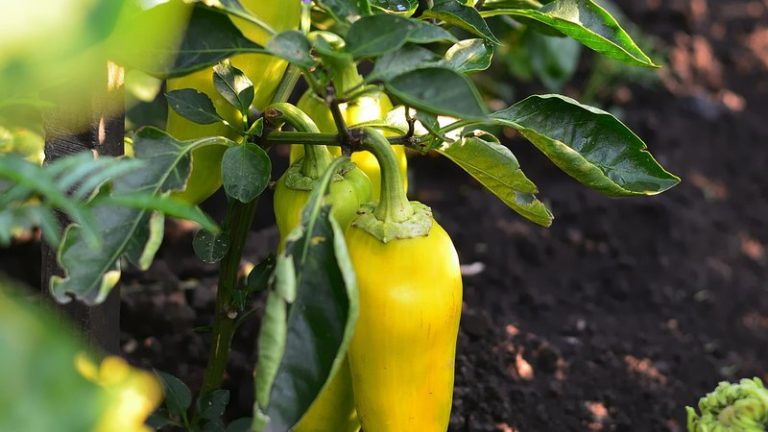
Banana peppers are long, yellow peppers that offer a sweet, mild heat, making them perfect for salads, sandwiches, and pickling. Their sweet flavor is similar to bell peppers, but with a slight tang and more complexity.
These peppers prefer warm soil and full sunlight. They should be planted in rich, well-draining soil to prevent waterlogging, which can lead to root rot.
Banana peppers require regular watering to keep the soil consistently moist but not soggy. Fertilizing the plants can help promote vigorous growth and a more abundant harvest.
Scotch Bonnet Peppers
Scotch bonnet peppers are closely related to habaneros but boast a sweeter, more aromatic flavor alongside their intense heat. They are a staple in Caribbean cooking, particularly in jerk sauces and spicy dishes.
Scotch bonnets need a long growing season and plenty of warmth and sunlight to thrive. They should be grown in rich, well-drained soil that is kept moist throughout the growing season.
Regular feeding and watering are essential for scotch bonnets, especially as they start to develop fruit. Their intense heat makes them suitable for those who appreciate very spicy food but handle them with care to avoid irritation.