Raised Bed Garden Mistakes

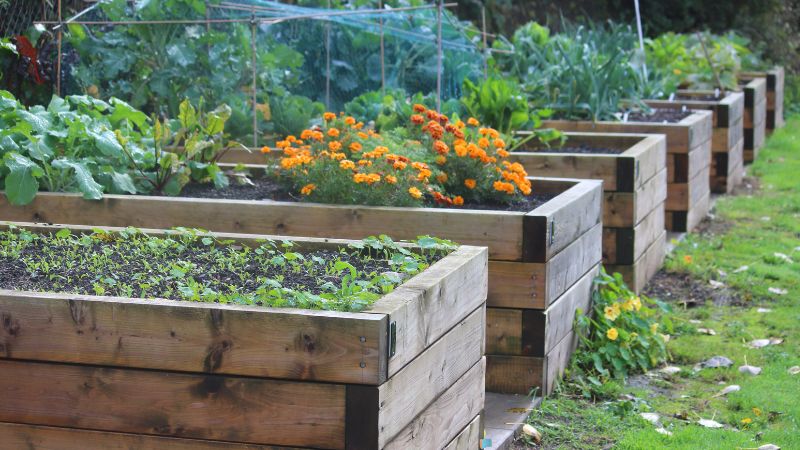
Raised bed gardening is a popular choice for many home gardeners due to its numerous benefits like better soil quality, easier weed management, and enhanced drainage. However, even the most beneficial gardening techniques can be subject to errors if not executed correctly. Mistakes in raised bed gardening can hinder plant growth, reduce yields, and make the gardening experience more labor-intensive than it needs to be.
Understanding common pitfalls can dramatically improve your gardening success. Here we explore thirteen common mistakes to avoid in raised bed gardening. From the setup of the beds to the management of soil and watering techniques, knowing these issues can help ensure your gardening efforts are fruitful and enjoyable.
Inadequate Bed Preparation
Many gardeners underestimate the importance of properly preparing a raised bed before planting. Skipping the removal of grass and weeds under your bed can lead to unwanted growth that competes with your plants for nutrients and water. Additionally, failing to level the ground beneath your beds can cause water to pool unevenly, negatively affecting plant health.
The materials used to construct the bed should also be considered. Non-durable materials like untreated wood can decay quickly, while certain treated woods may contain chemicals that are not safe for growing edible plants. Choosing the right materials from the start ensures longevity and safety of your garden bed.
It’s essential to line the bottom of your beds if you’re placing them over grass or weeds. A layer of cardboard or landscape fabric can effectively block unwanted growth without hindering drainage. This preparation step is crucial in establishing a healthy environment for your plants to thrive.
Poor Soil Quality
Soil is the foundation of any garden, and in raised beds, it’s even more critical to get the mix right. Using soil that is too dense or clay-heavy can restrict root growth and impede drainage. It’s important to use a well-balanced, nutrient-rich soil mix that allows for easy root penetration and water retention.
Many gardeners make the mistake of using garden soil or topsoil alone, which can be too heavy and may not provide the diverse nutrients plants need to thrive. Incorporating organic matter such as compost, peat moss, and vermiculite can greatly improve soil structure and fertility.
Regular soil testing can prevent issues related to pH imbalances or nutrient deficiencies. Adjusting your soil based on test results can be the difference between a thriving garden and one that struggles, as it allows you to tailor your soil amendments to meet your plants’ specific needs.
Overcrowding Plants
Overcrowding is a common error that can lead to significant problems in raised bed gardening. Planting too closely can inhibit air circulation, which increases the humidity around plants and fosters the spread of diseases. It also limits sunlight exposure, which can stunt growth and reduce yield.
It’s tempting to maximize the space within a raised bed, but proper spacing according to the specific needs of each plant type is crucial. Each plant needs room to grow both above and below the soil. Crowded plants compete for nutrients, water, and light, which can lead to weaker, less productive plants.
To avoid overcrowding, plan your garden layout carefully before planting. Use companion planting charts and spacing guides to ensure that each plant has enough room to flourish. This careful planning will pay off with healthier plants and better yields.
Ignoring Crop Rotation
Many gardeners neglect the practice of crop rotation in raised beds, which can lead to soil depletion and increased susceptibility to pests and diseases. Repeatedly planting the same type of crop in the same soil can exhaust the nutrients that specific plant demands and encourages the buildup of pests that feed on that crop.
Crop rotation involves changing the type of crops grown in a specific area with each season. This practice helps in managing soil fertility and reducing pest and disease problems. Rotating crops prevents specific soil deficiencies and disrupts the life cycles of pests, providing long-term benefits to your garden.
To implement crop rotation, divide your garden into sections and plan your planting schedule so that no section grows the same type of crop more than once every three years. This will help maintain soil health and keep your garden productive and disease-free.
Neglecting Mulch
Mulch is often overlooked by raised bed gardeners, yet it offers multiple benefits, such as retaining soil moisture, suppressing weeds, and regulating soil temperature. Not using mulch can lead to dry soil, increased watering needs, and weed problems that could otherwise be easily controlled.
Organic mulches like straw, bark, or shredded leaves not only help retain moisture but also break down over time, adding organic matter to the soil. This improves soil structure and fertility, which is especially beneficial in the contained environment of a raised bed.
Applying a 2-3 inch layer of mulch around your plants can drastically reduce the amount of water needed by minimizing evaporation. Additionally, mulch helps keep the soil temperature stable, protecting roots from extreme temperature fluctuations that can stress plants.
By avoiding these common mistakes, gardeners can greatly enhance the effectiveness of their raised bed gardens. Each step taken to prepare, maintain, and manage the beds can lead to a more enjoyable and productive gardening experience.
Excessive or Insufficient Watering
Water management is critical in raised bed gardening. Due to their elevated nature and enhanced drainage, raised beds can dry out faster than in-ground gardens, leading to underwatering. Conversely, overwatering can occur if gardeners don’t adjust their watering habits to the raised bed’s requirements, leading to root rot and fungal diseases.
It’s important to check soil moisture regularly rather than watering on a set schedule. The fingertip test—inserting a finger into the soil up to the second knuckle—can help determine if the soil is dry and needs water. This test ensures that you water based on actual need rather than routine.
Setting up a drip irrigation system can help provide consistent moisture that raised beds need, especially in warmer weather. Drip systems deliver water directly to the soil at a controlled rate, which minimizes evaporation and ensures that plants receive the optimal amount of water without the risks associated with overwatering.
Neglecting Seasonal Adjustments
Raised bed gardeners often fail to adjust their gardening practices with the changing seasons. What works in the spring might not be suitable for the summer or fall. Ignoring seasonal adjustments can lead to poor plant performance or even crop failure as temperatures and daylight hours shift.
In spring, it’s crucial to wait until the soil has warmed sufficiently before planting, as cold soil can shock plants and slow growth. Using hoop houses or row covers can extend the growing season by protecting plants from late frosts or providing shade during the hottest months.
As the season changes from summer to fall, consider planting cool-season crops and possibly adding more mulch to help insulate plant roots from the approaching cold. Adjusting your planting schedule according to the seasonal requirements of different crops ensures continuous productivity and optimal growth.
Improper Fertilization
Fertilization is often mismanaged in raised bed gardening. Using the wrong type or amount of fertilizer can lead to nutrient imbalances, which can harm plant growth. Over-fertilization can lead to excessive leaf growth at the expense of fruit or flower production, while under-fertilization can starve plants of the nutrients they need to thrive.
It’s vital to use a balanced fertilizer that matches the specific needs of the plants you are growing. Conducting a soil test can help determine what nutrients are lacking and allow you to choose a fertilizer that complements your soil composition.
Organic fertilizers are typically preferred for raised beds because they release nutrients slowly and improve soil structure. Be mindful of the application rates and timing—following the manufacturer’s guidelines will prevent nutrient overload and support healthy plant development.
Forgetting to Harden Off Seedlings
Transplant shock can be a major setback in raised bed gardening, often due to the neglect of hardening off seedlings before transplanting them outdoors. This process involves gradually exposing indoor-grown plants to outdoor conditions to reduce stress and improve their adaptability.
Begin hardening off plants about a week before planting by placing them outside in a sheltered area for a few hours each day, gradually increasing their exposure to sunlight and outdoor temperatures. This step is crucial to prepare the seedlings for the harsher conditions and variable weather outside.
Failing to harden off seedlings can result in wilted or stunted plants that struggle to grow. Properly hardened-off plants will be more resilient, adapt faster to being transplanted, and are more likely to thrive in their new outdoor environment.
Lack of Structural Integrity
Raised beds must be structurally sound to withstand the weight of soil, water, and plants. Weak structures can deteriorate quickly, especially when exposed to the elements, which can compromise the health of your garden. Poorly constructed raised beds can also be unsafe, particularly if they collapse while someone is working in the garden.
Using quality materials and ensuring all joints and corners are securely fastened will help maintain the integrity of your raised beds. Reinforcing the corners with corner brackets or using thicker wood can increase the lifespan and stability of your beds.
Regularly inspecting your raised beds for signs of wear and tear such as rotting wood or loose fittings is important for maintenance. Prompt repairs can prevent further damage and help your raised bed garden remain a safe and productive space.