Gardening Mistakes to Avoid


Gardening can be a deeply rewarding hobby, but it often comes with a learning curve. Many gardeners, whether beginners or experienced, make mistakes that can lead to underwhelming harvests, struggling plants, or even complete garden failures. Recognizing these common pitfalls is the first step toward creating a thriving, productive garden. This guide highlights thirteen gardening mistakes to avoid, helping you grow a lush, healthy garden.
Whether it’s improper watering, poor soil preparation, or planting at the wrong time, avoiding these mistakes can save you time, effort, and money. By understanding these errors and learning how to sidestep them, you’ll not only improve your gardening skills but also increase your confidence in nurturing plants successfully.
1. Overwatering Your Plants
One of the most common gardening mistakes is overwatering. While water is essential for plant growth, too much can suffocate roots, lead to fungal diseases, and wash away essential nutrients. Many gardeners assume their plants need water daily, but the reality is that most plants prefer to dry out slightly between waterings. Overwatering can cause root rot, which is often fatal to plants.
To avoid overwatering, check the soil moisture before watering. Insert your finger into the soil about an inch deep; if it feels dry, it’s time to water. Additionally, use pots with drainage holes or amend garden soil with materials like sand or compost to improve drainage. Establish a consistent watering schedule and adjust it based on weather conditions.
Mulching can also help retain moisture and reduce the need for frequent watering. By understanding your plants’ specific water requirements and observing their condition, you can ensure they stay hydrated without being drowned.
2. Planting in Poor Soil
Healthy soil is the foundation of a thriving garden, but many gardeners overlook this crucial element. Poor soil—whether it’s too sandy, clay-heavy, or lacking nutrients—can stunt plant growth and make it difficult for roots to establish. Ignoring the quality of your soil can result in weak plants, poor yields, and wasted effort.
Start by testing your soil’s pH and nutrient levels. A simple soil test kit can provide insights into what amendments your garden might need. Organic matter, such as compost or aged manure, can improve soil structure and fertility. If you’re dealing with compacted clay soil, adding sand and gypsum can increase aeration and drainage.
Raised beds or container gardening are excellent solutions for poor soil. These methods allow you to control the growing medium, ensuring plants receive the nutrients and drainage they need to thrive.
3. Choosing the Wrong Plants for Your Climate
Many gardeners fall into the trap of selecting plants that are not suited to their local climate. This can lead to frustration when plants struggle to grow, produce little, or die prematurely. While it’s tempting to grow exotic plants or mimic gardens from other regions, it’s essential to understand your area’s growing conditions.
Research your region’s hardiness zone, average temperatures, and rainfall patterns before choosing plants. Select varieties that are well-adapted to your climate, such as heat-tolerant crops for hot areas or frost-resistant plants for cooler regions. Native plants are an excellent option as they are naturally suited to thrive in your local environment.
By choosing the right plants, you’ll set yourself up for success and reduce the need for excessive watering, pest control, or soil amendments.
4. Neglecting Spacing Requirements
Crowded plants compete for light, water, and nutrients, often leading to poor growth and increased susceptibility to pests and diseases. Many gardeners make the mistake of planting seeds or transplants too close together, either due to a lack of planning or an attempt to maximize space.
Always follow the spacing recommendations provided on seed packets or plant labels. This ensures each plant has enough room to grow and develop properly. Proper spacing also improves air circulation, reducing the risk of fungal diseases and promoting healthier plants overall.
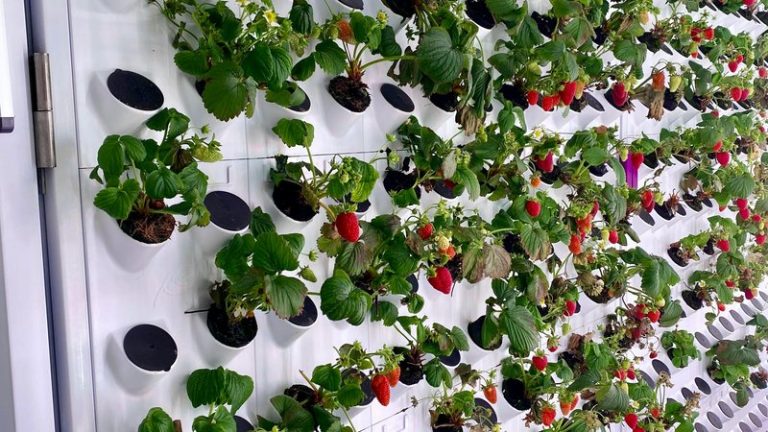
For small gardens, consider vertical gardening or succession planting to make the most of your space without overcrowding. Planning your layout in advance can help you avoid the temptation to overfill your garden beds.
5. Ignoring Companion Planting
Companion planting is the practice of grouping plants that benefit each other, either by repelling pests, improving soil health, or enhancing growth. Many gardeners overlook this technique and miss out on its advantages, such as natural pest control and increased yields.
For example, planting marigolds near tomatoes can deter nematodes, while basil can improve the flavor of tomatoes and repel harmful insects. Conversely, some plants, like onions and beans, should not be planted together due to their incompatible growth habits.
Research companion planting combinations for the vegetables you plan to grow. This practice not only boosts productivity but also reduces your reliance on chemical fertilizers and pesticides, creating a healthier garden environment.
6. Overlooking Pest Control
Pests can quickly damage or destroy a garden if left unchecked. Many gardeners fail to monitor their plants regularly for signs of infestation, allowing problems to escalate. Ignoring pest control can lead to poor harvests and stressed plants, making them more vulnerable to diseases.
Inspect your plants frequently for common pests such as aphids, caterpillars, or spider mites. Early detection allows you to address the issue before it becomes severe. Use organic pest control methods like neem oil, insecticidal soap, or introducing beneficial insects such as ladybugs and predatory wasps.
Cultural practices, like rotating crops and keeping the garden free of debris, can also reduce pest populations. A proactive approach to pest management is key to maintaining a healthy garden.
7. Failing to Rotate Crops
Crop rotation is a vital practice for maintaining soil health and preventing pest and disease buildup. Planting the same crop in the same spot year after year depletes specific nutrients from the soil and encourages pests and diseases that target that crop to multiply.
Divide your garden into sections and rotate crop families each season. For example, avoid planting tomatoes in the same spot where peppers or eggplants were previously grown, as they share similar nutrient needs and pests. Incorporating legumes, which fix nitrogen into the soil, can help replenish nutrients for subsequent crops.
Crop rotation not only improves soil fertility but also breaks the cycle of pests and diseases, promoting healthier plants and higher yields.
8. Planting at the Wrong Time
Timing is critical in gardening, but many gardeners make the mistake of planting too early or too late. Planting too early can expose seeds and seedlings to frost or cold soil temperatures, while planting too late may shorten the growing season and limit harvest potential.
Check the recommended planting dates for your region and specific crops. Pay attention to soil temperatures, as many seeds require a certain range to germinate successfully. Use frost charts and local weather forecasts to determine the best time to sow seeds or transplant seedlings.
Planning your planting schedule carefully ensures that your garden gets off to a strong start and has ample time to thrive before the season ends.
9. Neglecting Weeding
Weeds compete with vegetables for nutrients, water, and sunlight, often outgrowing and overshadowing your desired plants. Neglecting to weed regularly can result in a messy, less productive garden and create a habitat for pests and diseases.
Set aside time each week to remove weeds by hand or use tools like a hoe or cultivator. Applying mulch around plants can help suppress weed growth while conserving soil moisture. Consistent weeding keeps your garden neat and ensures that your plants have access to the resources they need to grow.
10. Overusing Fertilizer
While fertilizer is essential for healthy plant growth, overusing it can harm plants and damage the soil. Excess fertilizer can lead to nutrient imbalances, salt buildup, and even root burn. Many gardeners make the mistake of thinking that more fertilizer equals better growth, but this is rarely the case.
Follow the recommended application rates on fertilizer packaging and test your soil before adding more nutrients. Organic fertilizers like compost or manure provide a slow-release option that reduces the risk of over-fertilization. Balancing nutrients ensures that your plants receive what they need without causing harm.
11. Using the Wrong Tools
Using inappropriate or low-quality tools can make gardening more difficult and less enjoyable. For example, using a dull shovel or a poorly designed watering can can lead to inefficiency and frustration. Many gardeners overlook the importance of investing in good-quality, ergonomic tools.
Choose tools suited to your garden’s size and specific needs. Regularly clean and maintain them to extend their lifespan and ensure they work effectively. Proper tools not only save time but also make gardening a more comfortable and rewarding experience.
12. Ignoring Sunlight Requirements
Sunlight is one of the most important factors for plant growth, yet many gardeners fail to account for how much light their plants need. Placing sun-loving plants in shaded areas or shade-tolerant plants in full sun can lead to poor growth and disappointing yields.
Before planting, observe your garden’s light patterns throughout the day. Group plants based on their sunlight requirements, ensuring that each receives the proper amount of light. Using reflective surfaces or pruning nearby trees can help optimize sunlight exposure.
13. Failing to Plan
One of the biggest gardening mistakes is starting without a clear plan. A lack of organization can lead to overcrowded plants, wasted resources, and an unproductive garden. Many gardeners skip the planning stage, only to face challenges later in the season.
Create a layout for your garden, considering factors like spacing, crop rotation, and companion planting. Make a planting schedule and keep track of important dates, such as when to sow seeds and apply fertilizer. Planning ahead sets you up for success and allows you to anticipate potential challenges.
By avoiding these thirteen common mistakes, you’ll increase your chances of cultivating a thriving, productive garden. Taking the time to learn and implement these best practices will save you frustration and ensure your gardening efforts yield the results you desire.