Landscaping Design Ideas: Transforming Your Outdoor Space into a Beautiful Oasis


Landscaping is more than just planting flowers and mowing the lawn; it’s an art form that transforms your outdoor space into a functional and aesthetically pleasing environment. Whether you have a sprawling backyard or a compact balcony, thoughtful landscaping design can enhance the beauty of your property, increase its value, and provide a serene retreat for relaxation and entertainment. With the right ideas and planning, you can create a landscape that reflects your personal style and meets your specific needs.
Embarking on a landscaping project requires careful consideration of various elements, including plant selection, layout, hardscaping, and sustainable practices. From designing vibrant flower beds and incorporating water features to creating inviting outdoor living areas, each aspect plays a crucial role in achieving a harmonious and well-balanced landscape.
This guide explores a range of innovative and inspiring landscaping design ideas that cater to different tastes and spaces, helping you cultivate a stunning outdoor sanctuary that you can enjoy year-round.
Choosing the Right Plants for Your Landscape

Selecting the appropriate plants is fundamental to creating a successful and sustainable landscape. The right plant choices not only enhance the visual appeal of your garden but also contribute to its functionality and health. When choosing plants, consider factors such as climate, soil type, sunlight exposure, and water requirements to ensure they thrive in your specific environment. Native plants are often an excellent choice, as they are well-adapted to the local conditions and require less maintenance compared to non-native species.
Incorporating a mix of evergreen and deciduous plants can add year-round interest and texture to your landscape. Evergreen shrubs and trees provide structure and greenery even in the winter months, while deciduous plants offer vibrant colors and blooms during the growing season. Additionally, layering plants by varying their heights and growth habits creates depth and dimension, making your garden more visually appealing. Combine flowering plants with foliage plants to introduce a variety of colors, shapes, and textures that enhance the overall aesthetic of your outdoor space.
Consider the maintenance requirements of the plants you select to ensure they align with your gardening skills and lifestyle. Low-maintenance plants, such as perennials and drought-tolerant species, are ideal for busy gardeners or those new to landscaping. These plants typically require less water, fewer fertilizers, and minimal pruning, allowing you to enjoy a beautiful garden with less effort. By thoughtfully selecting the right plants, you can create a vibrant and resilient landscape that flourishes with ease and grace.
Creating Outdoor Living Spaces

Outdoor living spaces extend the functionality of your home, providing areas for relaxation, dining, and entertainment amidst the beauty of nature. Designing comfortable and inviting outdoor living areas involves careful planning and the right selection of furniture, lighting, and accessories. Start by determining the purpose of the space—whether it’s for lounging, hosting gatherings, or enjoying meals al fresco—and design accordingly to meet those needs.
Incorporate durable and weather-resistant furniture that complements your landscape design and enhances the overall ambiance. Materials such as wicker, teak, and metal are popular choices for outdoor furniture due to their resilience and timeless appeal. Adding cushions and throws in vibrant colors or patterns can introduce comfort and style, making the space more welcoming and cozy. Consider including elements like a pergola, gazebo, or shade sails to provide protection from the sun and create a sense of enclosure, allowing you to enjoy the space in various weather conditions.
Enhance your outdoor living area with thoughtful lighting to create a warm and inviting atmosphere during the evenings. String lights, lanterns, and solar-powered fixtures add a magical glow and highlight key features of your landscape, such as pathways, seating areas, and focal points. Incorporating outdoor rugs, pillows, and decorative accents can further personalize the space, reflecting your unique taste and style. By designing functional and aesthetically pleasing outdoor living spaces, you can maximize the enjoyment and usability of your landscape, turning it into a true extension of your home.
Incorporating Water Features

Water features add a tranquil and soothing element to any landscape, enhancing its beauty and creating a peaceful ambiance. The sound of flowing water can mask unwanted noise, providing a serene environment for relaxation and contemplation. From elegant fountains and bubbling ponds to simple birdbaths and waterfalls, there are numerous options to suit different garden styles and budgets.
When selecting a water feature, consider the size and scale of your garden to ensure it complements rather than overwhelms the space. Smaller gardens may benefit from compact fountains or tabletop water features, which can serve as focal points without taking up too much room. Larger landscapes can accommodate more elaborate installations, such as koi ponds, cascading waterfalls, or meandering streams that add dynamic movement and visual interest. Additionally, choose materials that harmonize with your existing garden elements, whether it’s natural stone, ceramic, or metal, to create a cohesive and integrated design.
Maintenance is an important aspect of incorporating water features into your landscape. Regular cleaning and upkeep ensure that the water remains clear and the feature operates smoothly. Consider features with built-in filtration systems or easy access for maintenance to minimize the effort required to keep them in good condition. By thoughtfully integrating water features into your landscape design, you can create a captivating and harmonious environment that elevates the overall appeal and tranquility of your outdoor space.
Sustainable Landscaping Practices

Sustainable landscaping practices promote environmental stewardship and create gardens that are resilient and eco-friendly. Incorporating sustainable techniques not only benefits the planet but also enhances the health and longevity of your garden. Start by selecting native and drought-tolerant plants that are well-suited to your local climate and require fewer resources to thrive. These plants support local wildlife, reduce the need for excessive watering, and minimize the use of chemical fertilizers and pesticides.
Implementing efficient irrigation systems is another key aspect of sustainable landscaping. Drip irrigation and soaker hoses deliver water directly to the plant roots, reducing evaporation and water waste. Installing rain barrels or other rainwater harvesting systems allows you to collect and reuse natural precipitation, providing a sustainable water source for your garden. Additionally, mulching with organic materials helps retain soil moisture, suppress weeds, and improve soil health, further reducing the need for frequent watering and maintenance.
Composting and soil enrichment are essential for creating a fertile and healthy garden ecosystem. Composting organic waste, such as kitchen scraps and garden trimmings, returns valuable nutrients to the soil, enhancing its structure and fertility. Healthy soil promotes robust plant growth, improves water retention, and supports beneficial soil microorganisms that contribute to overall plant health. By adopting sustainable landscaping practices, you create a garden that is not only beautiful and productive but also environmentally responsible and resilient to changing conditions.
Utilizing Hardscapes Effectively

Hardscapes, the non-living elements of landscaping, play a crucial role in defining the structure, functionality, and aesthetic appeal of your outdoor space. Incorporating hardscapes such as patios, walkways, walls, and pergolas can enhance the visual interest and usability of your garden while providing a stable framework for plant growth and outdoor activities. Choosing the right materials and design elements ensures that your hardscapes complement your overall landscape design and meet your specific needs.
Patios and decks create inviting areas for dining, lounging, and entertaining, serving as the foundation for your outdoor living spaces. Materials such as natural stone, brick, concrete, and wood each offer unique textures and colors that can be tailored to match your garden’s style. Designing paved walkways with patterns or curves can guide visitors through your garden, highlighting key features and creating a sense of flow and movement. Retaining walls not only provide structural support for sloped areas but also add vertical interest and can be used to create raised garden beds or seating areas.
Pergolas, gazebos, and arbors add architectural elements that provide shade and support for climbing plants, creating shaded retreats and enhancing the overall design of your landscape. These structures can be adorned with vines, flowers, or decorative lighting to add charm and character to your outdoor space. Incorporating water-efficient hardscapes, such as permeable paving or gravel pathways, promotes sustainability by allowing rainwater to infiltrate the soil, reducing runoff and supporting plant health. By utilizing hardscapes effectively, you can create a balanced and functional garden that seamlessly blends natural and architectural elements.
Designing with Color and Texture

Color and texture are powerful tools in landscaping design, adding depth, contrast, and visual interest to your garden. Thoughtful selection and arrangement of plants, flowers, and garden features can create stunning visual effects and highlight the beauty of your outdoor space. Incorporating a diverse palette of colors and textures ensures that your garden remains vibrant and engaging throughout the seasons.
Choosing plants with varying bloom times allows for continuous color throughout the year, ensuring that your garden remains lively and attractive even during off-peak seasons. Mix annuals and perennials to achieve a balance of consistent color and seasonal variety. Bold, vibrant colors can create focal points and add energy to your garden, while softer, pastel hues provide a calming and harmonious atmosphere. Complementing flowers with foliage plants that offer contrasting textures and colors enhances the overall visual appeal and prevents the garden from appearing monotonous.
Texture plays a crucial role in adding dimension and tactile interest to your landscape. Incorporate plants with different leaf shapes, sizes, and surfaces, such as the fine fronds of ferns, the broad leaves of hostas, and the spiky foliage of ornamental grasses. Combining smooth, glossy leaves with rough, textured ones creates a dynamic and visually stimulating environment.
Additionally, integrating hardscape materials with varied textures, such as gravel, slate, or decorative mulch, adds further layers of interest and enhances the overall aesthetic of your garden. By designing with color and texture in mind, you can create a captivating and harmonious landscape that delights the senses and stands out in its beauty.
Creating Privacy with Landscaping
Creating privacy in your outdoor space allows you to enjoy your garden without unwanted interruptions, providing a secluded retreat for relaxation and entertainment. Landscaping techniques such as planting hedges, installing fences, and incorporating natural barriers can effectively block views and reduce noise, enhancing the tranquility of your garden. Thoughtful design and plant selection are key to achieving the desired level of privacy while maintaining the aesthetic appeal of your landscape.
Tall evergreen shrubs and trees are excellent choices for creating natural privacy screens, as they provide year-round coverage and dense foliage that effectively block views and absorb sound. Plants such as arborvitae, bamboo, and Leyland cypress grow quickly and form thick barriers that can be shaped and maintained to fit your privacy needs. Strategically placing these plants along property lines, fences, or garden edges ensures maximum coverage and enhances the overall structure of your landscape.
In addition to live plant barriers, incorporating hardscapes like fences, walls, and trellises can provide immediate privacy and support climbing plants that add greenery and texture. Solid fences made from wood, vinyl, or metal offer effective privacy solutions, while lattice panels and trellises allow for the growth of vining plants that create a natural and aesthetically pleasing barrier.
Using a combination of plant and hardscape privacy elements creates a layered and dynamic privacy screen that not only serves its functional purpose but also enhances the beauty and character of your garden. By designing with privacy in mind, you can create a peaceful and secluded outdoor sanctuary that allows you to fully enjoy your landscape.
Incorporating Sustainable Practices in Landscaping
Sustainable landscaping practices promote environmental health and create resilient gardens that thrive with minimal resource input. By integrating eco-friendly techniques and materials into your landscaping design, you contribute to the preservation of natural resources and reduce your garden’s ecological footprint. Sustainable landscaping encompasses a wide range of practices, from water conservation and soil health to the use of renewable materials and support for local biodiversity.
One key aspect of sustainable landscaping is water conservation, achieved through efficient irrigation systems, drought-tolerant plants, and rainwater harvesting. Implementing drip irrigation and soaker hoses ensures that water is delivered directly to the plant roots, minimizing evaporation and runoff.
Selecting native and drought-tolerant plants reduces the need for frequent watering and supports local ecosystems by providing habitat and food sources for native wildlife. Additionally, installing rain barrels or other rainwater harvesting systems captures natural precipitation, providing a sustainable water source for your garden and reducing reliance on municipal water supplies.
Another important sustainable practice is maintaining healthy soil through composting and organic fertilization. Composting kitchen scraps and garden waste recycles nutrients back into the soil, improving its structure, fertility, and water retention capabilities. Using organic fertilizers enhances soil health without introducing harmful chemicals, supporting robust plant growth and reducing environmental impact. Additionally, mulching with organic materials helps retain soil moisture, suppress weeds, and regulate soil temperature, further promoting sustainable and resilient garden conditions.
Supporting local biodiversity is also a vital component of sustainable landscaping. Planting a diverse array of native species attracts pollinators, birds, and beneficial insects, creating a balanced and thriving ecosystem. Incorporating features such as birdhouses, insect hotels, and water sources provides habitat and support for wildlife, enhancing the ecological health of your garden. By adopting sustainable landscaping practices, you create a garden that is not only beautiful and productive but also environmentally responsible and resilient to changing conditions.
Utilizing Hardscapes and Softscapes Harmoniously

Achieving a harmonious balance between hardscapes and softscapes is essential for creating a cohesive and aesthetically pleasing landscape. Hardscapes, including patios, walkways, walls, and fences, provide structure and define the layout of your garden, while softscapes, such as plants, flowers, and lawns, add life and vibrancy. Integrating these elements thoughtfully ensures that your landscape is both functional and visually appealing, with each component complementing the other.
When designing your landscape, consider the proportion and placement of hardscape features in relation to the softscape elements. Well-placed hardscapes create focal points and guide movement through the garden, while softscapes soften the edges and add natural beauty. For example, a stone patio can serve as the foundation for outdoor seating and dining areas, while surrounding flower beds and greenery provide a lush backdrop that enhances the overall appeal. Similarly, a pergola or trellis can act as a support for climbing plants, seamlessly blending architectural elements with natural growth.
Choosing materials that complement your plant selection and overall design theme further enhances the harmony between hardscapes and softscapes. Natural stone, wood, and metal can be paired with a variety of plant types to create a unified and balanced look. Incorporating colors, textures, and patterns that echo the natural elements in your garden ties the hardscapes and softscapes together, creating a seamless and integrated landscape. By thoughtfully combining hardscapes and softscapes, you can create a garden that is both structured and lush, functional and beautiful.
Designing for All Seasons
A well-designed landscape remains attractive and functional throughout the year by incorporating elements that provide interest and beauty in every season. Designing for all seasons involves selecting plants that offer seasonal blooms, foliage changes, and structural features that stand out in different weather conditions. This approach ensures that your garden remains vibrant and engaging year-round, providing continuous enjoyment and visual appeal.
In spring, focus on planting bulbs, flowering trees, and early-blooming perennials that bring vibrant colors and fresh life to your garden. Summer gardens thrive with lush, green foliage and abundant blooms from a variety of annuals and perennials, creating a lively and colorful display. In the fall, plants with rich, warm-toned foliage add depth and warmth, while hardy evergreens provide structure and greenery even as other plants begin to fade. Winter landscapes can feature ornamental grasses, bare trees, and evergreen shrubs that offer visual interest and texture during the colder months.
Incorporating elements such as evergreens, deciduous trees, and seasonal flowers ensures that your landscape transitions smoothly through the seasons, maintaining a balanced and dynamic appearance. Additionally, using hardscapes and structural features that hold their form year-round, such as stone walls, pergolas, and garden sculptures, provides a consistent framework that anchors the seasonal changes. By designing for all seasons, you create a resilient and adaptable landscape that offers continuous beauty and functionality, enhancing your outdoor space throughout the year.
Minimalist Landscaping Ideas

Minimalist landscaping focuses on simplicity, clean lines, and a restrained color palette, creating a serene and uncluttered outdoor space. This design approach emphasizes the beauty of each element by reducing visual noise and eliminating unnecessary features. Minimalist gardens often feature a limited selection of plants, uncluttered hardscapes, and a harmonious balance between natural and architectural elements.
Choosing plants with strong architectural forms and a cohesive color scheme enhances the minimalist aesthetic. Evergreen shrubs, sculptural grasses, and flowering perennials with uniform colors create a unified and elegant look. Sparse planting arrangements with ample negative space allow each plant to stand out and make a statement, while maintaining a sense of order and tranquility. Incorporating elements such as gravel pathways, stone patios, and simple water features adds structure and visual interest without overwhelming the design.
Maintaining a minimalist garden requires careful planning and regular upkeep to preserve its clean and uncluttered appearance. Pruning and trimming plants to maintain their shape, removing weeds, and keeping hardscape areas free of debris are essential for sustaining the minimalist aesthetic.
Additionally, using sustainable and low-maintenance materials, such as gravel, concrete, and metal, reduces the need for frequent maintenance and supports a sleek and modern look. By embracing minimalist landscaping ideas, you can create a sophisticated and peaceful outdoor space that embodies simplicity and elegance.
Creating a Wildlife-Friendly Garden

Designing a wildlife-friendly garden supports local biodiversity and creates a vibrant ecosystem that benefits both plants and animals. Incorporating features that attract and sustain wildlife not only enhances the beauty of your landscape but also contributes to environmental health by promoting pollination, natural pest control, and habitat creation. A wildlife-friendly garden serves as a sanctuary for birds, butterflies, bees, and other beneficial creatures, creating a dynamic and lively outdoor space.
Planting a variety of native flowers, shrubs, and trees provides essential food sources and habitats for local wildlife. Native plants are particularly effective in attracting pollinators such as bees and butterflies, as they produce nectar and pollen that are well-suited to the dietary needs of these insects. Additionally, incorporating plants with diverse bloom times ensures a continuous supply of food throughout the seasons, supporting a wide range of wildlife year-round.
Creating water sources and shelter areas further enhances the wildlife-friendliness of your garden. Birdbaths, small ponds, and water features provide drinking water and habitat for amphibians and insects, while birdhouses, bat boxes, and insect hotels offer safe nesting and breeding sites.
Providing leaf litter, rock piles, and undisturbed ground areas creates shelter and foraging opportunities for various creatures, promoting a balanced and thriving ecosystem. By designing a wildlife-friendly garden, you cultivate a harmonious and sustainable environment that supports the natural rhythms and diversity of local wildlife.
Low-Maintenance Landscaping Ideas
Low-maintenance landscaping is ideal for gardeners who want a beautiful and functional garden without the time and effort required for intensive upkeep. This design approach focuses on selecting plants and materials that are resilient, easy to care for, and require minimal intervention. Low-maintenance gardens are perfect for busy individuals, those new to gardening, or anyone looking to reduce the labor involved in maintaining their outdoor space.
Choosing drought-tolerant and hardy plants is key to creating a low-maintenance landscape. Succulents, ornamental grasses, and native perennials thrive with minimal watering and care, making them ideal for gardeners seeking easy-care options. These plants are often resistant to pests and diseases, reducing the need for chemical treatments and frequent monitoring. Additionally, incorporating groundcovers and mulches helps suppress weeds and retain soil moisture, further reducing maintenance tasks.
Simplifying garden design by minimizing the number of plant varieties and using repetitive patterns can also contribute to a low-maintenance landscape. Grouping plants with similar care requirements together streamlines watering, fertilizing, and pruning routines, making garden management more efficient.
Utilizing hardscapes such as gravel pathways, stone patios, and gravel beds reduces the need for extensive planting and upkeep, providing structure and functionality with minimal maintenance. By embracing low-maintenance landscaping ideas, you can enjoy a stunning and sustainable garden that requires less time and effort to maintain, allowing you to focus on enjoying your outdoor sanctuary.
Incorporating Edible Landscaping
Edible landscaping combines the beauty of ornamental plants with the practicality of food production, creating a garden that is both visually appealing and productive. This design approach integrates edible plants such as vegetables, herbs, and fruit-bearing trees into traditional landscape elements, allowing gardeners to enjoy fresh produce while enhancing the aesthetic of their outdoor space. Edible landscaping is a sustainable and rewarding way to maximize the use of your garden area, providing both beauty and nourishment.
Selecting a variety of edible plants that complement your landscape design is essential for creating a harmonious and functional garden. Consider incorporating perennial vegetables like asparagus, rhubarb, and artichokes, which provide long-term yields with minimal replanting. Annual vegetables and herbs, such as tomatoes, peppers, basil, and rosemary, add seasonal color and produce, creating a dynamic and ever-changing garden palette. Fruit trees and berry bushes can serve as focal points, offering both shade and delicious harvests, while also attracting pollinators and beneficial wildlife.
Designing edible landscapes with efficient use of space and resources enhances both productivity and sustainability. Techniques such as vertical gardening, companion planting, and raised beds maximize growing areas and optimize plant health. Integrating edible plants with ornamental ones creates a diverse and visually interesting garden that serves multiple purposes, blending functionality with beauty. By incorporating edible landscaping ideas, you create a versatile and productive garden that nourishes both body and soul, providing a satisfying and sustainable gardening experience.
Utilizing Vertical Gardening Techniques
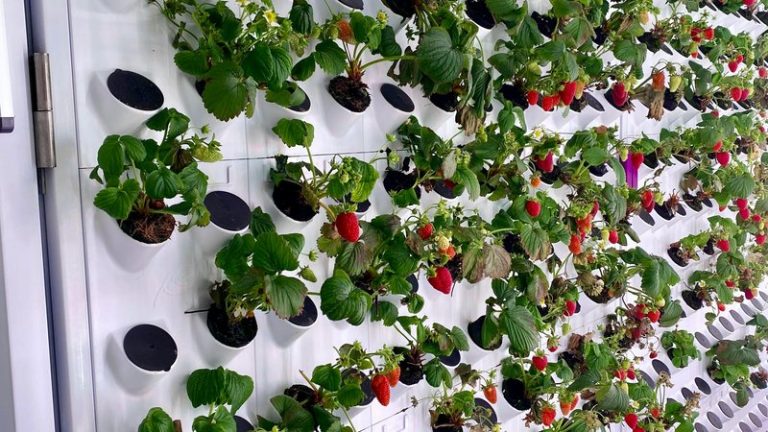
Vertical gardening is an innovative approach that maximizes space and adds visual interest by growing plants upward rather than outward. This technique is especially beneficial for small gardens, balconies, and urban environments where ground space is limited. Vertical gardens can enhance the aesthetic appeal of your landscape while providing functional benefits such as improved air circulation, better light exposure, and efficient use of resources.
Incorporating trellises, arbors, and pergolas into your garden design allows climbing plants to flourish, creating lush green walls and vibrant floral displays. Plants such as vines, clematis, and morning glories add vertical dimension and texture, making your garden appear taller and more dynamic. Additionally, vertical planters, wall-mounted pots, and hanging baskets provide creative solutions for growing herbs, flowers, and vegetables in confined spaces, allowing you to expand your planting options without sacrificing valuable ground area.
Vertical gardening also promotes sustainability by optimizing water usage and reducing soil erosion. The vertical arrangement of plants allows for more efficient irrigation, as water can be delivered directly to the roots through drip systems or self-watering planters. This minimizes evaporation and runoff, conserving water and ensuring that each plant receives the necessary moisture.
Furthermore, vertical gardens can be easily managed and maintained, with tools and access points designed for upward growth, making pruning, harvesting, and overall care more convenient. By utilizing vertical gardening techniques, you can create a stunning and space-efficient landscape that enhances the functionality and beauty of your outdoor space.
Designing with Lighting for Ambiance and Safety
Outdoor lighting is a crucial element in landscaping design, enhancing both the ambiance and safety of your garden. Thoughtful lighting design can highlight architectural features, illuminate pathways, and create a welcoming atmosphere for evening gatherings and nighttime enjoyment. Properly planned lighting not only adds beauty and charm to your landscape but also improves visibility and security, making your outdoor space safer and more functional after dark.
Incorporating a variety of lighting types and styles ensures that different areas of your garden are effectively illuminated. Pathway lights and step lights provide safe navigation through your garden, preventing trips and falls while adding subtle illumination to walkways and stairs.
Accent lighting, such as spotlights and floodlights, highlights specific features like trees, statues, fountains, and architectural elements, creating focal points and enhancing the overall visual appeal. Ambient lighting, such as string lights, lanterns, and solar-powered fixtures, adds a warm and inviting glow, perfect for creating a cozy and relaxed atmosphere for outdoor living spaces.
Using energy-efficient lighting solutions, such as LED fixtures and solar-powered lights, promotes sustainability and reduces energy consumption. LED lights offer long-lasting performance with minimal maintenance, while solar-powered options harness renewable energy, eliminating the need for electrical connections and reducing your carbon footprint.
Additionally, integrating smart lighting systems with timers, dimmers, and motion sensors allows for automated control and customization, enhancing both convenience and efficiency. By designing with lighting in mind, you can create a beautifully illuminated landscape that is both functional and enchanting, allowing you to enjoy your garden day and night.